Every place has a mood. The trick is learning how to feel it.
1. Arrive With a Simple Plan

A light plan helps you notice the colors, sounds, and movement around you. You can enjoy a place more when your mind is not busy guessing what to do next.
Write down a few must-see spots, then leave room for surprise. This keeps the day calm and gives you freedom to follow a pretty street, a lively market, or a quiet park that catches your eye. It also helps with cost because you can choose free sights and skip rushed extra rides.
2. Start Your Day Early

Early hours often feel soft and peaceful, with gentle light on buildings and fewer crowds. That calm setting can make even a common street look special.
You may get better photos, shorter lines, and cooler weather too. A morning coffee or tea from a small local shop can become a sweet part of the trip without costing much. Early starts also fit a growing trend of slow travel, where people enjoy more and rush less.
Try waking up just a little before the busy crowd. Pick one beautiful place to visit first, then walk around with no hurry. If you are in a city, this can make old walls, shiny windows, and street art feel fresh and full of life.
3. Notice Local Food and Small Shops

Food tells a story, and small shops show how people live. A warm bakery, a fruit stand, or a tiny snack cart can make a destination feel friendly and real.
Try one local dish or drink that is special to the area. It gives you a taste of the place and often costs less than a fancy meal. You can also ask the seller what people there like best, which makes the moment feel personal.
Look for simple places with short menus and fresh smells. These spots often have the most charm and the best views of daily life. If you like trends, street food and market snacks are still very popular because they are quick, fun, and easy to share.
4. Walk More and Ride Less

Walking slows the world down in a good way. You see bright doors, hidden gardens, and little signs that you would miss from a car or bus.
It also saves money and helps you feel close to the place you are in. A walk can turn into a small adventure when you follow a shady lane or a path near the water. Wear comfy shoes and keep a bottle of water, so the day stays easy.
5. Talk to Local People
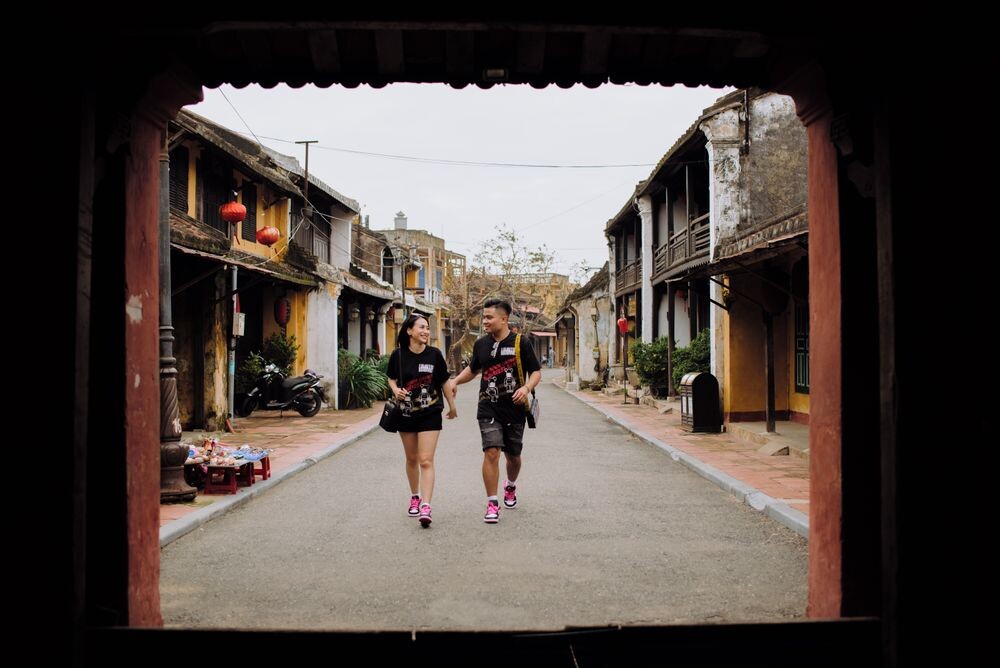
A friendly chat can change the whole feel of a trip. People often share the best bakery, the nicest sunset spot, or the quiet road with the best view.
Keep your questions simple and kind. Ask about favorite foods, family customs, or places they enjoy after work. These talks can lead you to unique spots that are not in big travel books, and they cost nothing at all.
Personal touches matter here, so mention what you like too. If you love music, art, or nature, say so and see what they suggest. Many travelers now use local guides or small group walks because they feel more real and less rushed.
6. Leave Space for One Unplanned Stop

Some of the best memories come from the things you did not plan. A tiny museum, a painted wall, or a quiet bench by a river can become your favorite part of the day.
Give yourself time for one stop that is not on your list. This keeps the trip playful and helps each destination feel one of a kind. It can also help your budget because many surprise stops are free or very cheap.
Use your eyes and follow what looks interesting. A line of people may point to a famous snack, while a crowd with cameras may lead to a sunset view. That kind of freedom feels modern and fits the current travel trend of flexible plans.
7. Choose a Few Great Photos, Not Too Many

Photos help you remember the sky, the streets, and the little details. Still, too much picture-taking can pull you out of the moment and make the day feel busy.
Pick a few scenes that really matter to you. Then put the phone away and enjoy the real colors and sounds with your own eyes. This makes the visit feel richer, and it costs nothing extra.
Try taking one wide shot, one close-up, and one picture of something local like a sign or meal. That mix tells a fuller story of the place. Many people now like simple photo sets because they feel honest and easy to share.
8. Mix Famous Spots With Quiet Corners

Big landmarks can be exciting, bright, and full of energy. Quiet corners can be just as lovely, with soft light, open space, and room to breathe.
When you mix both, you get a fuller picture of the destination. You can feel the buzz of the famous place and then rest in a calm street or garden. This balance also helps with cost because quiet spots are often free and less crowded.
Make a small list of places that are well known and places that are hidden. Then pair them in the same day so the pace feels smooth. This kind of mix is a smart trend for travelers who want both fun and peace.
9. Pack for Comfort and Weather
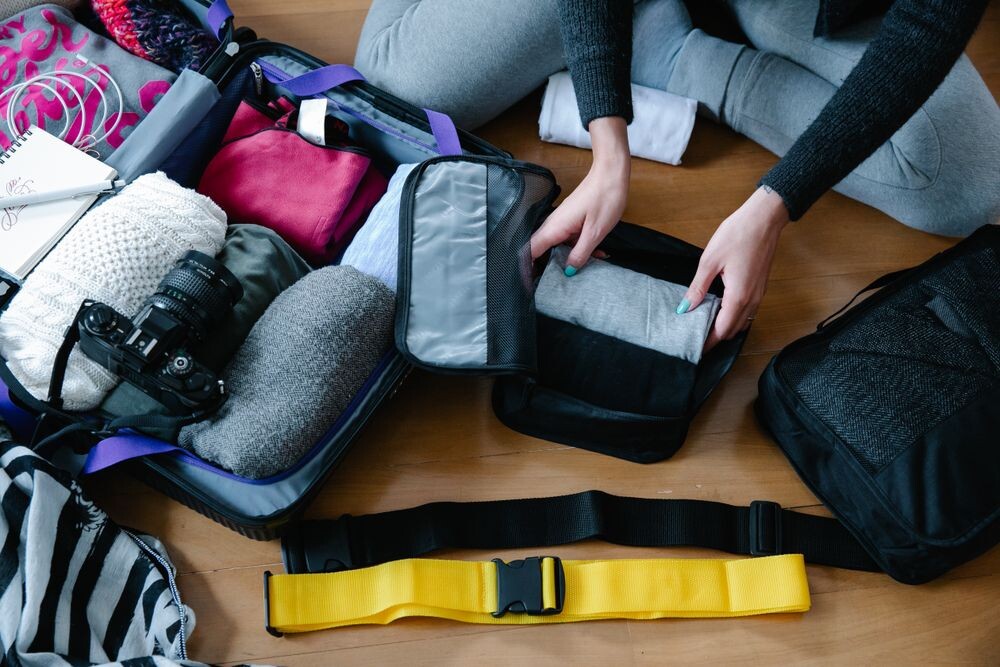
Good packing can make every step easier. A light jacket, a water bottle, and shoes that do not hurt your feet can change a hard day into a happy one.
Think about the weather and the kind of walking you will do. If it may rain, bring a small cover for your bag. If it may be sunny, pack a hat and sunscreen so you can stay out longer without feeling tired.
Personalize your bag with things you truly use, not just things that look nice. That may mean a snack, a charger, or a small notebook for ideas. Smart packing saves money too because you avoid buying extra items at high tourist prices.
10. Try One Local Habit

Every place has small daily habits that make it feel special. It might be a tea break, a night walk, a market visit, or a quiet time before dinner.
Joining in helps you feel part of the rhythm instead of just watching from the side. It can also make the destination feel warmer and more personal. You do not need to copy everything, just try one simple habit that feels safe and kind.
Watch what people do around you and follow the easy parts. If locals sit in a park after work, find a bench and rest there too. This kind of soft travel is growing because people want real moments, not only busy sightseeing.
11. Keep Some Time for Rest

A tired body can make even a beautiful place feel too loud. Rest gives your eyes and mind a break so you can enjoy the next part more.
Take a pause in a café, hotel room, or shady square. A short rest can help you notice more detail later, like the shape of rooftops or the sound of bells. It also keeps your spending in check because resting does not always mean buying something big.
Use your rest time in a way that fits you. Some people like a quiet snack, while others like to sit and people-watch. A small break can make the whole day feel softer and more fun.
12. Pick Activities That Match Your Style

Not every traveler enjoys the same things, and that is a good thing. A place feels better when you choose the parts that fit your style, like art, food, nature, or music.
If you love calm spaces, choose gardens, libraries, or boat rides. If you enjoy energy, look for markets, festivals, or live shows. This personal choice makes the trip feel unique and helps you spend money on what you truly value.
Many travelers now build trips around hobbies instead of only landmarks. That can mean a cooking class, a bike ride, or a local concert. When the day matches your style, the destination feels more alive and more memorable.
13. End the Day With a Favorite Moment

Before the day is over, pick one moment that made you smile. It could be a sunset, a tasty bite, a kind voice, or a street that looked magical in the evening light.
Thinking about that one moment helps the trip stay warm in your memory. You may even want to write it down or save one photo with a short note. This habit costs nothing, but it can make a place stay with you for a long time.
Choose a closing moment that feels right for you, not just what other people say is best. Maybe it is a quiet bench, a view from a bridge, or a last cup of tea. That small personal ending gives each destination its own special shape.