Travel can feel expensive fast. Small choices can change everything.
Good trips do not need huge budgets. Smart planning can keep the fun and cut the stress.
1. Travel When Fewer People Are on the Road

Quiet travel times often bring lower prices and calmer sights. Airports look less crowded, and hotel lobbies feel more relaxed.
This simple shift can save money on flights, rooms, and even tours. It also gives you more space to enjoy the place at your own pace.
2. Pick a Place That Fits Your Budget First
Some places are just easier on the wallet than others. A colorful street market in one city may cost far less than a fancy beach resort in another.
Start with the money you want to spend, then match the destination to it. That makes planning feel safer and more personal.
Look for places with low food costs, cheap buses, and plenty of free sights. You can also choose smaller towns near popular spots for a lower price and a more local feel.
3. Use Fare Alerts and Price Watches
Flight prices can jump like popcorn in a hot pan. Alerts help you catch a better deal before it disappears.
Many apps and travel sites will send a note when prices drop. That saves time and keeps you from checking every day.
Set alerts for a few dates and nearby airports if you can. This works well for flexible travelers and is a strong trend right now because people want easy savings.
Try naming your alerts by trip goal, such as beach break or family visit. That keeps the search focused and helps you spot the best option faster.
4. Pack Light and Skip Extra Bag Fees
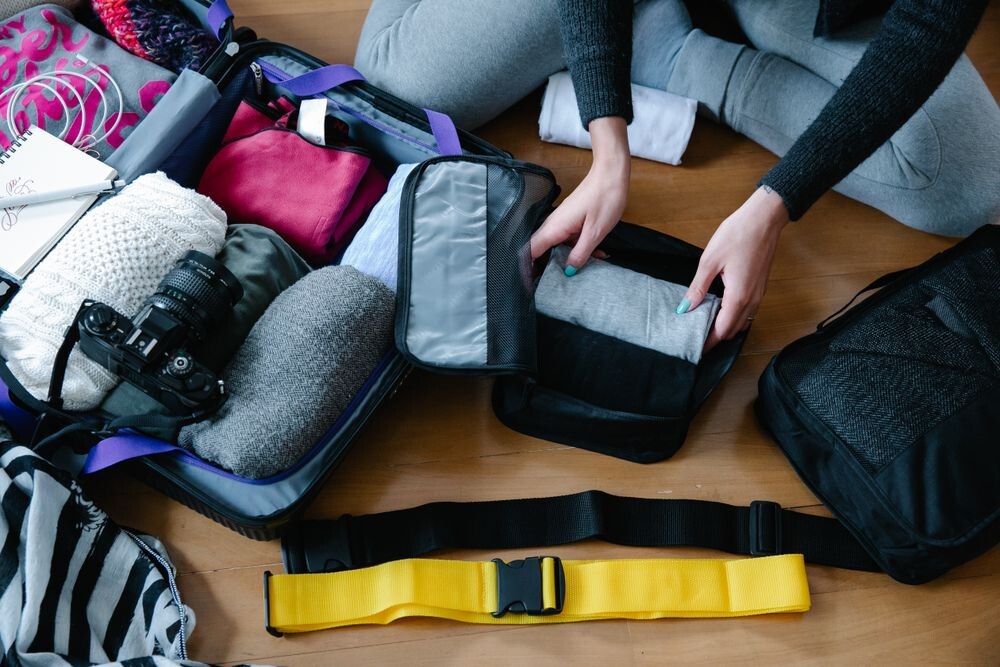
A small suitcase can be a big money saver. It also looks neat and makes moving around much easier.
When you carry less, you avoid checked bag fees and long waits at baggage claim. You can also move faster through trains, buses, and airport lines.
5. Stay in Places With a Kitchen
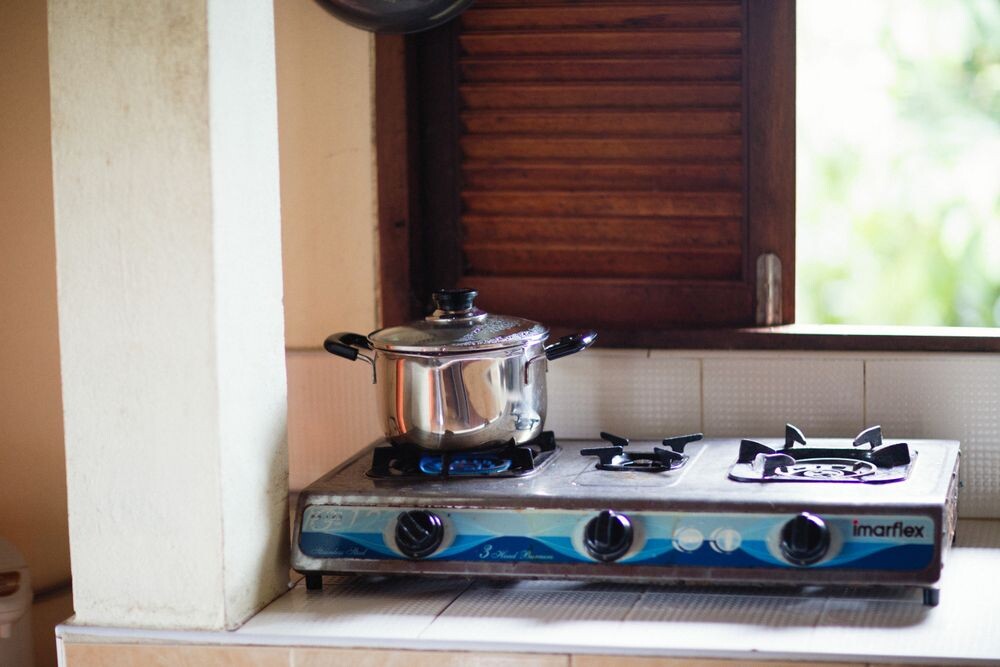
A tiny kitchen can feel like a secret tool for saving money. A bright counter, a small fridge, and a few dishes can change the whole trip.
Cooking even one meal a day lowers food costs in a big way. It also helps if you have picky eaters or special food needs.
Choose stays with a stove, microwave, or at least a kettle and fridge. You can shop at local markets and make easy meals that still feel special.
Many travelers now like apartment stays for this reason, since they blend comfort and savings. Add your favorite snacks and a simple breakfast plan to make mornings easier.
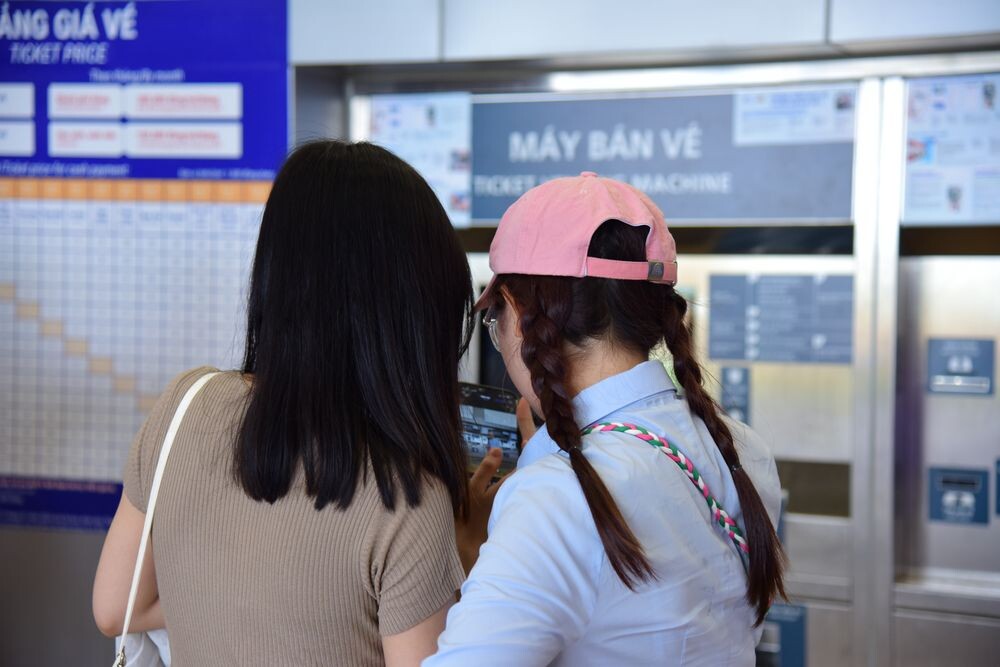
6. Use Public Transit Instead of Taxis
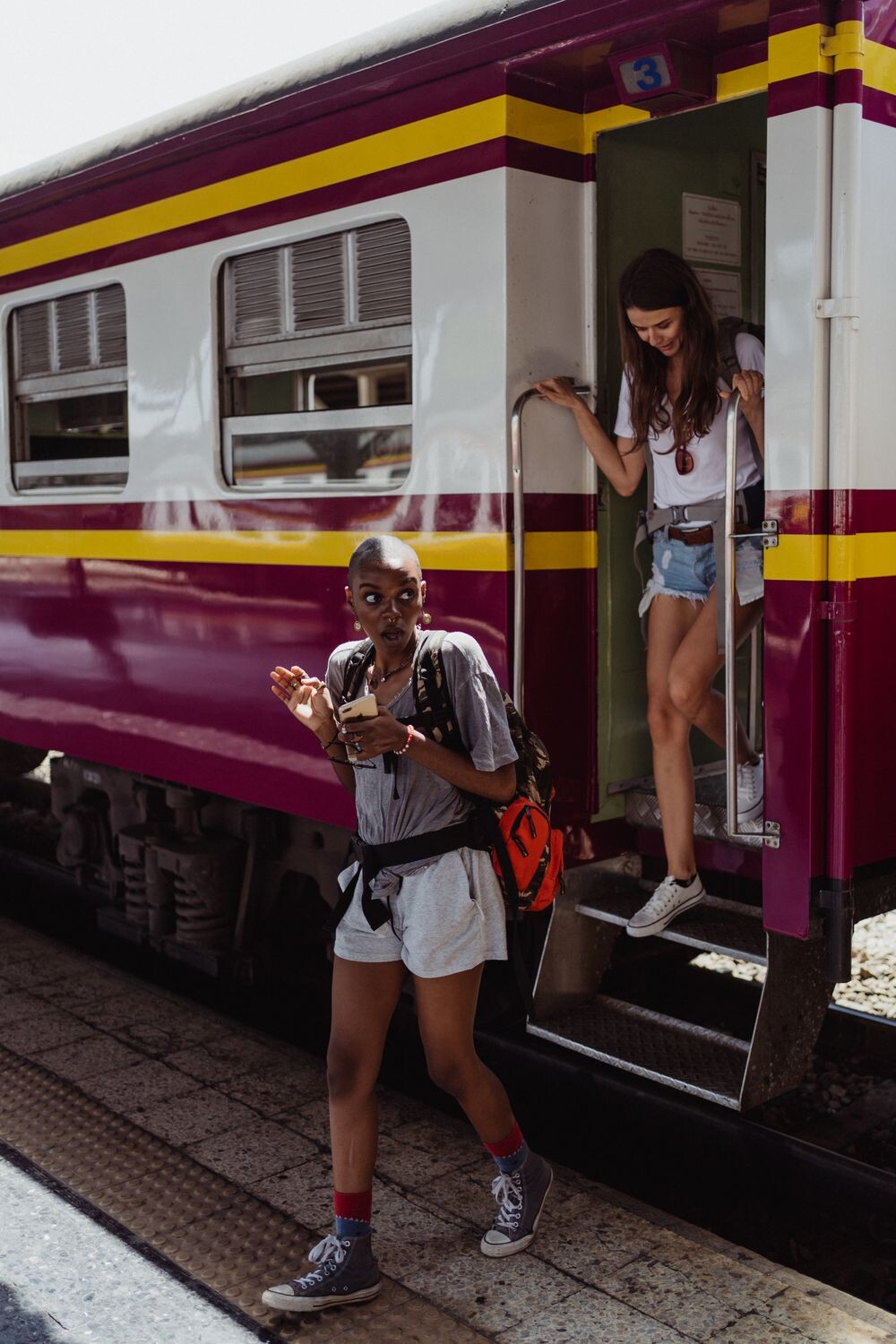
Buses, trains, and subways can make a city feel alive. You see real neighborhoods, busy stations, and everyday life up close.
Transit often costs much less than taxi rides or ride apps. It can also help you reach more places without worrying about traffic.
Check for day passes, trip cards, or family tickets before you go. A little planning can make the system feel simple instead of scary.
7. Eat Like a Local
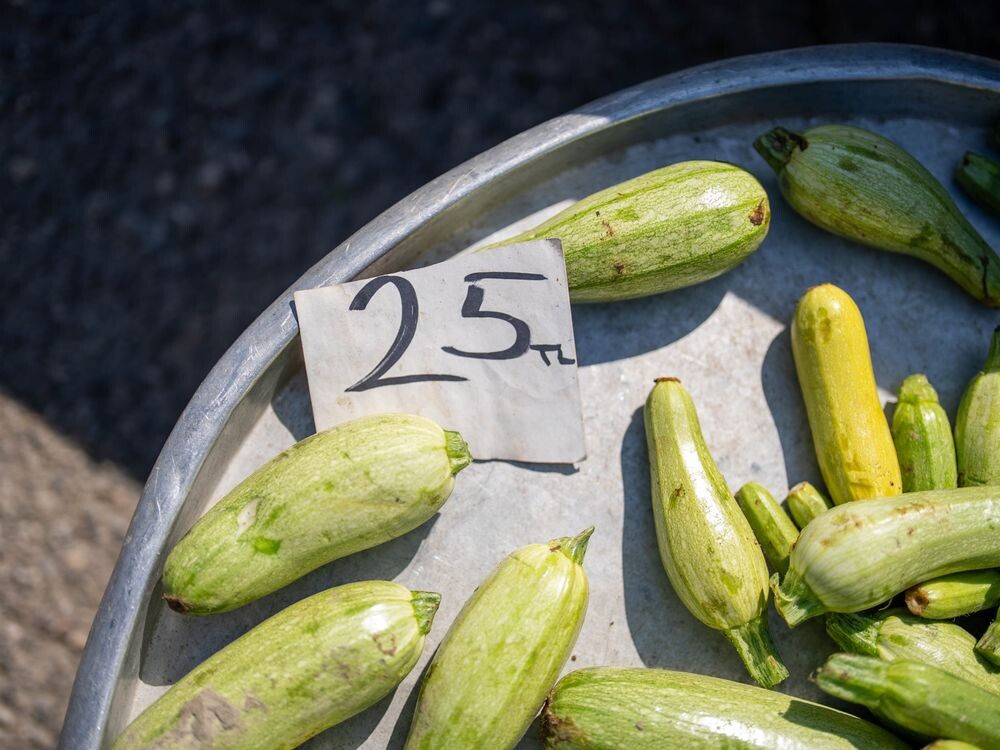
Local food shops often smell amazing and look full of color. A small bakery, noodle stand, or lunch counter can be more fun than a pricey tourist spot.
Meals made for local workers are often cheaper and fresher. You also get a better feel for the place through its food.
Ask where people in the area eat on weekdays, not just on weekends. That tip can lead you to warm, filling meals at a fair cost.
Try one special treat each day and keep the rest simple. This gives you a personal food style that feels rich without being costly.
8. Mix Free Fun With Paid Fun

A trip does not need a ticket for every single moment. Parks, beaches, murals, and walking streets can be just as memorable.
Free sights leave room in your budget for one or two paid treats. That balance keeps the trip exciting without feeling tight.
9. Book Early for Big Trips
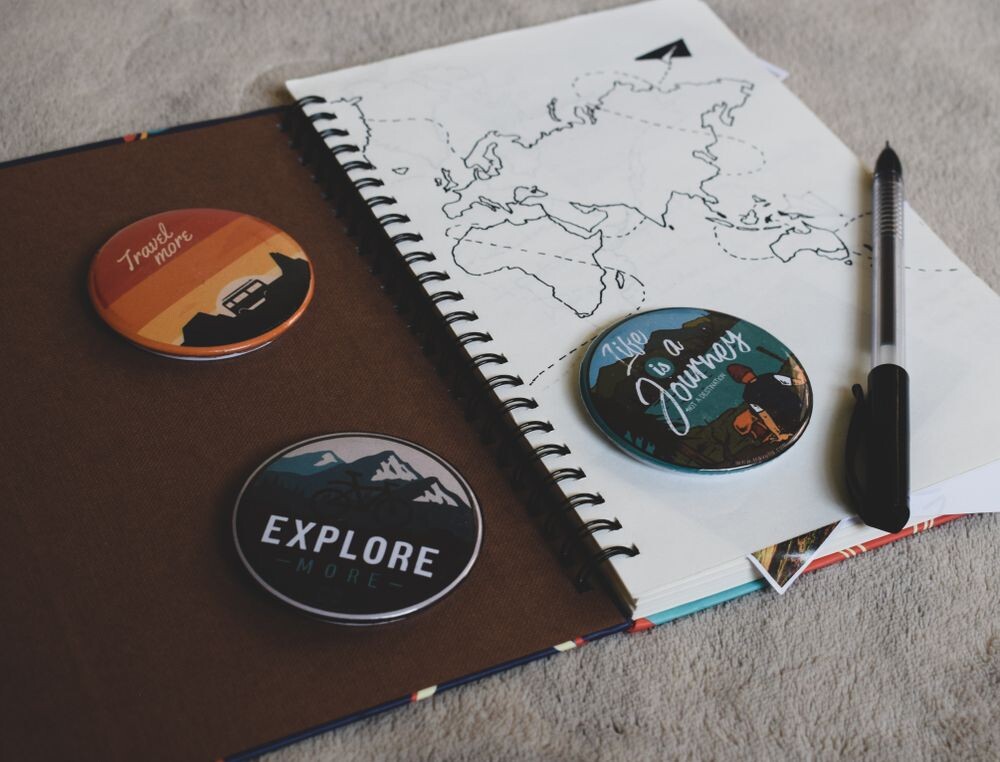
Early booking can bring calmer choices and better prices. It feels good to see your plans settle in before the rush starts.
Flights, trains, and popular stays can get expensive as the date gets closer. Booking ahead often gives you more seats and more room choices.
Set a rough budget first so you know what counts as a good deal. Then compare a few options and hold the one that fits your plan best.
This works well for school breaks and holiday travel, which are still hot travel times. If your dates are fixed, early action can save a lot.
10. Use Points, Miles, and Reward Cards Wisely
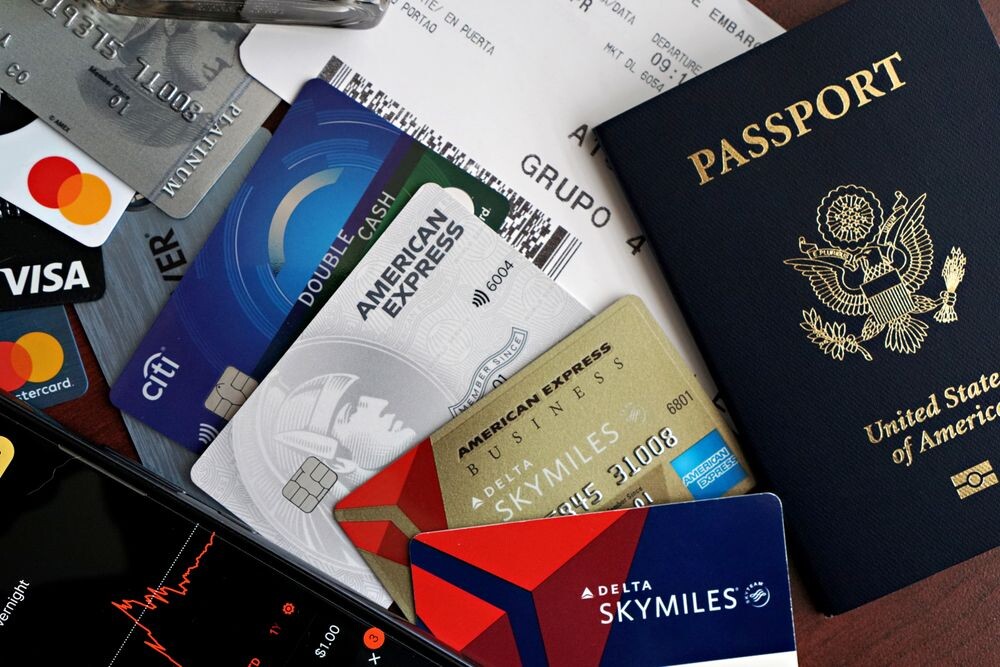
Reward points can feel like tiny travel coins in your pocket. Used well, they can lower the cost of flights, hotels, or car rentals.
The trick is to use them for things that would otherwise cost a lot. That makes each point feel more valuable and useful.
Pick one card or program that matches how you spend money already. Keep track of due dates and fees so the savings stay real.
11. Travel With a Friend or Group

Shared trips often bring shared costs, and that can make a big difference. A roomy vacation rental can feel warm and lively when friends are around.
You can split lodging, gas, and sometimes food or guide costs. That leaves more money for fun activities and keeps everyone involved.
Choose people with similar budgets and travel styles so the trip stays smooth. A quick chat about sleep, meals, and spending can prevent stress later.
Group chat planning tools are popular now because they make sharing easy. Use them to divide tasks and keep the trip fair for all.
12. Look Beyond Big Tourist Hotspots
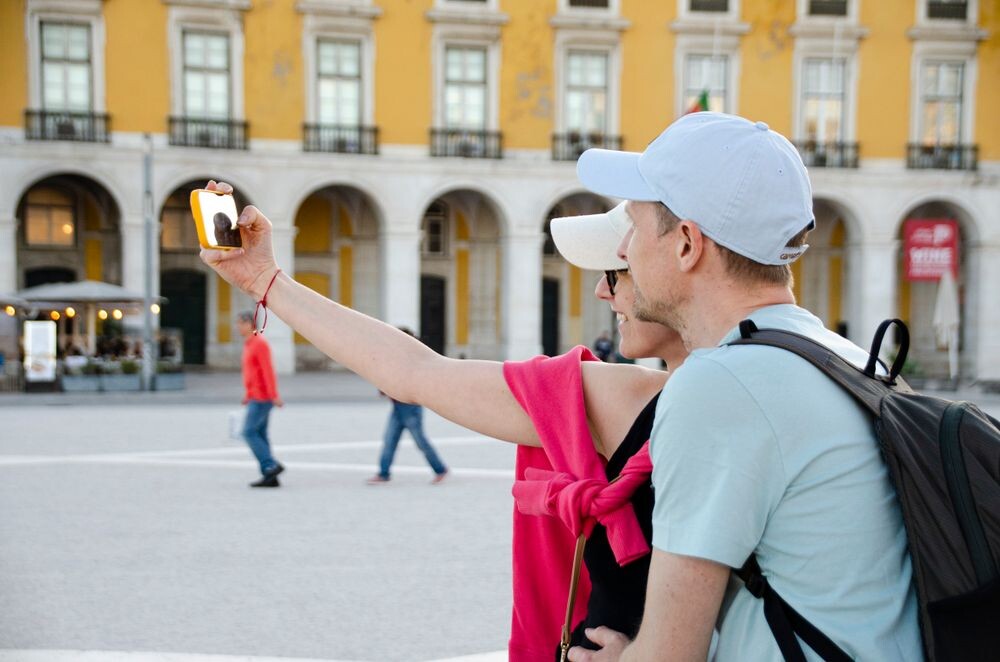
Some of the best views sit just outside the famous places. A small town with bright buildings and quiet streets can feel fresh and surprising.
Popular spots often charge more for food, rooms, and tours. Nearby areas may offer the same beauty for a lower price.
Search for side trips, nearby villages, or lesser-known beaches. You may get more space, friendlier prices, and a calmer mood.
Make the place your own by choosing one local event or market to visit. That adds character without adding much cost.
13. Bring Snacks and a Refillable Bottle

A backpack with snacks can save the day on long outings. Granola bars, fruit, and crackers are simple but very helpful.
Buying snacks at tourist stops can cost far more than expected. A refillable bottle also cuts down on drink spending and plastic waste.
Pack easy foods that fit your day, like nuts for hiking or crackers for city walks. Keep a bottle handy so you do not pay again and again for water.
This small habit is popular with budget travelers and eco-minded travelers alike. It also keeps energy up when meals are far apart.
14. Use Overnight Travel to Save on a Night
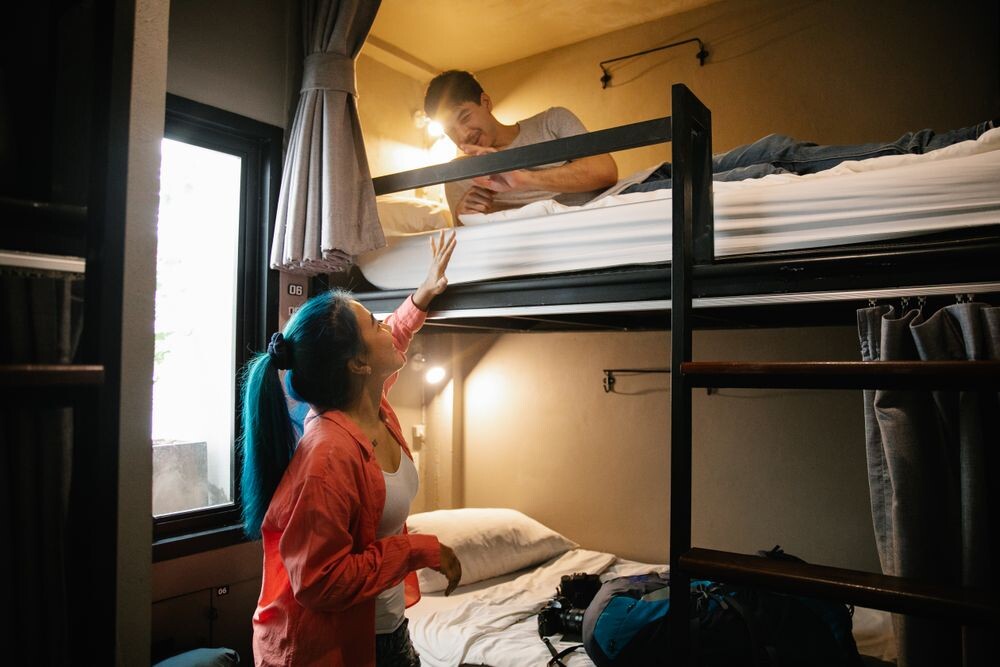
Night trains and buses can feel a little adventurous. The seats may be simple, but the savings can be real.
When you travel while you sleep, you may not need to pay for a hotel that night. That can make a long trip much easier on your budget.
15. Choose Simple Stays Over Fancy Ones

A clean room and a good bed can be enough for a happy trip. You do not need gold mirrors or a giant pool to have a good time.
Simple stays often cost less and still give you comfort, privacy, and a safe place to rest. That leaves more money for the parts of the trip you care about most.
Read recent reviews and look for basics like good water pressure, a quiet room, and a safe area. Those details matter more than extra decorations.
Many travelers now choose boutique hostels or small guesthouses for charm at a lower price. Add your own touch with a favorite pillowcase, tea, or travel blanket.
16. Walk More and See More
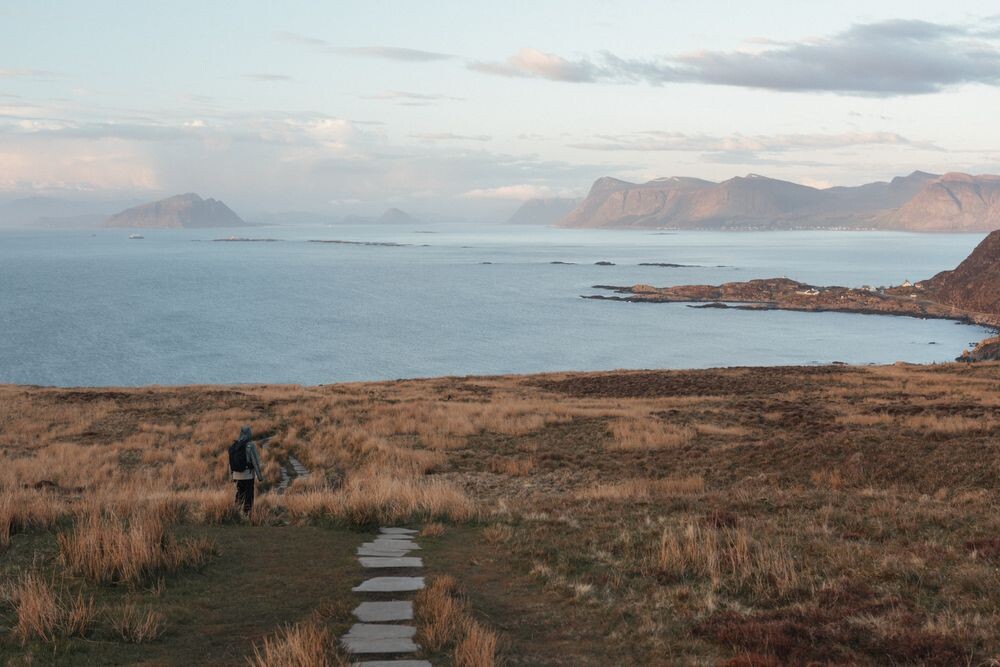
Walking shows you the little things that cars miss. Bright doors, street art, and tiny cafes can make a city feel full of life.
It costs almost nothing and often leads to the best surprises. You may find free viewpoints, hidden parks, and local shops along the way.
Wear good shoes and plan routes that feel safe and interesting. A map app can help, but leave room for small detours.
Walking also helps you notice what kind of trip feels right for you. Some people like busy streets, while others enjoy quiet lanes and garden paths.
17. Visit During the Week Instead of the Weekend
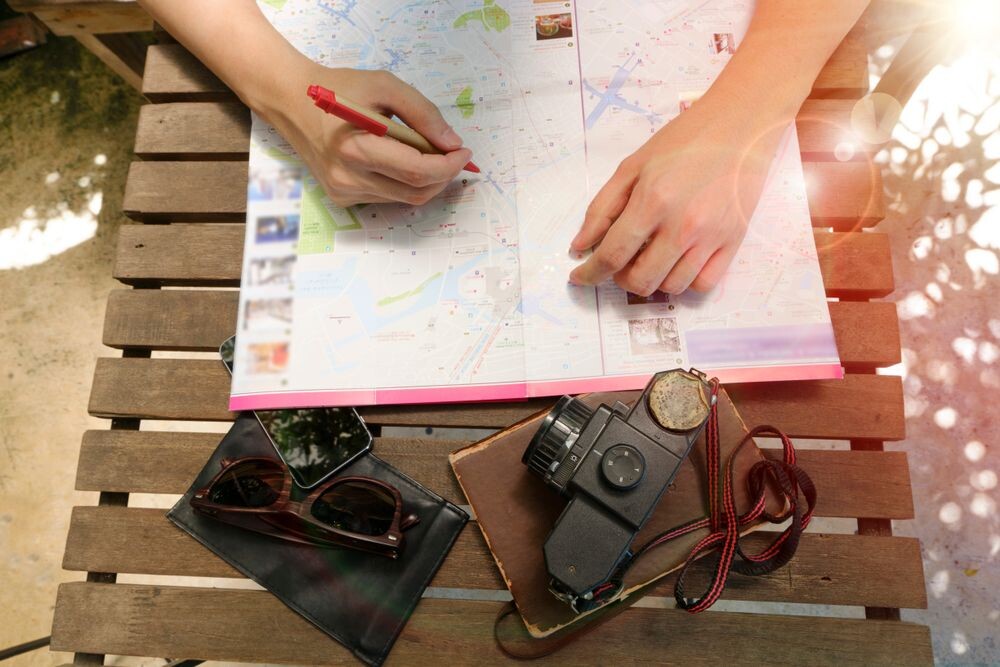
Weekday travel often feels calmer and less rushed. Museums, cafes, and attractions can have shorter lines and softer noise.
Prices for rooms and tours may be lower when demand is not as high. That can make a short trip feel much more affordable.
18. Search for Bundle Deals

Bundled travel can make planning feel neat and simple. A flight, room, and car in one package may cost less than buying each part alone.
These deals can be especially useful for family trips or busy holiday times. They also reduce the time spent hunting for separate bookings.
Compare the bundle price with the cost of each piece on its own before you buy. Sometimes the bundle wins, and sometimes a mix of separate deals is better.
Look for flexible cancellation rules so you do not get stuck. That small check can protect your money if plans change.
19. Use Student, Senior, or Member Discounts
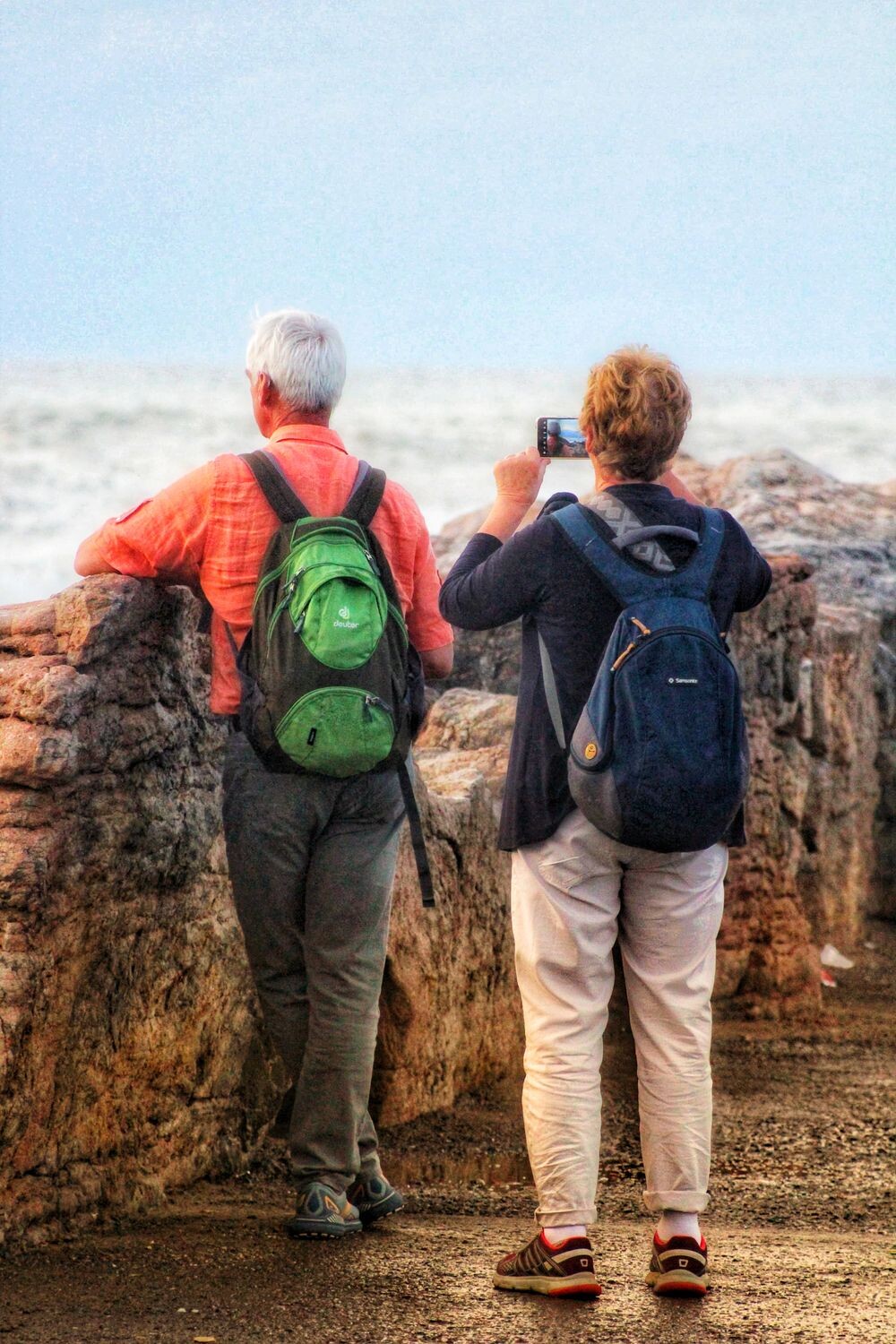
Many places offer quiet little discounts that are easy to miss. A museum desk or train counter may have a lower price with the right card.
These savings can help on tickets, transport, and attractions. They are simple to use and often stack well with other smart choices.
20. Choose Carry-On Flights When Possible
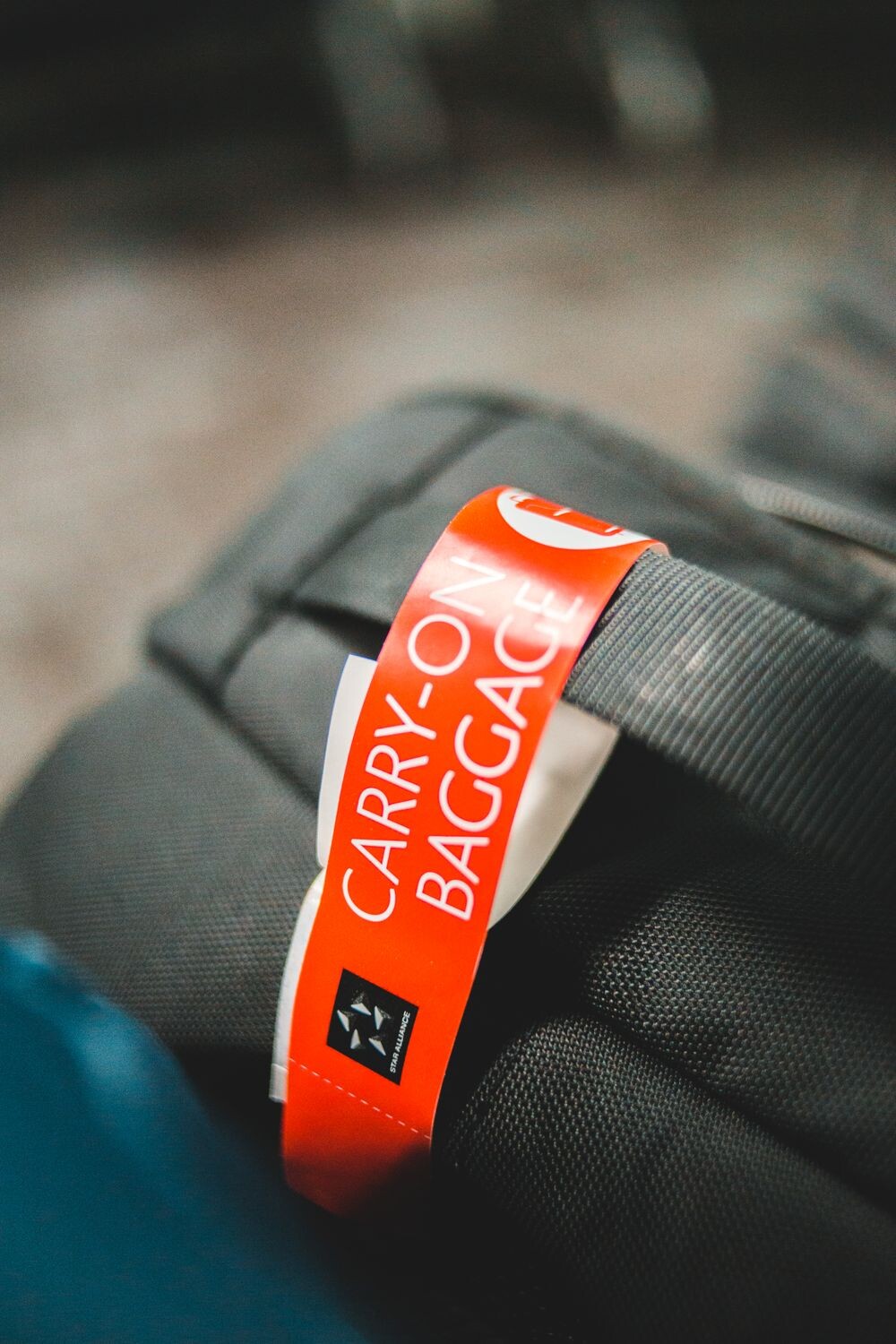
A carry-on bag can keep your trip fast and tidy. You skip baggage lines and move straight to the fun part.
Many budget airlines charge less for a seat if you travel light. That makes a big difference for short trips or city breaks.
Pack clothes that mix and match so one small bag can do a lot. Roll items tightly and keep liquids in easy-to-reach pouches.
This style is very common now because people want speed and lower fees. It also helps you stay organized from start to finish.
21. Look for Free Walking Tours
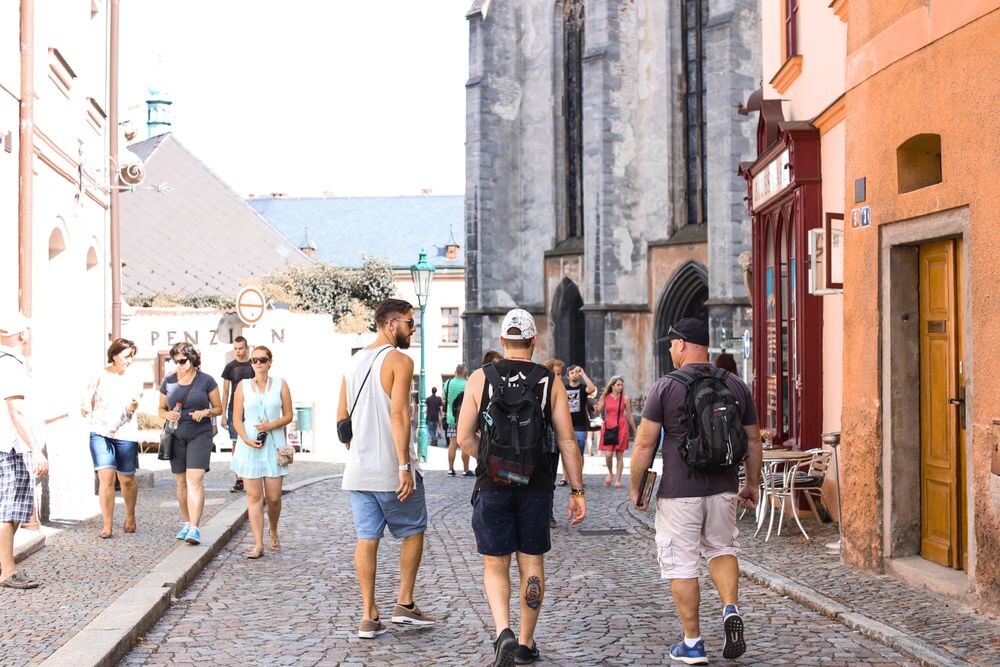
Walking tours can feel friendly and full of stories. A guide may point out old buildings, fun facts, and local favorites you might miss alone.
Many of these tours are free or low cost, and you choose what to tip. That makes them a smart choice for curious travelers on a budget.
Check reviews and start with a topic you enjoy, such as history, food, or street art. The right theme can make the whole day feel more personal.
22. Travel With Off-Peak Activities in Mind
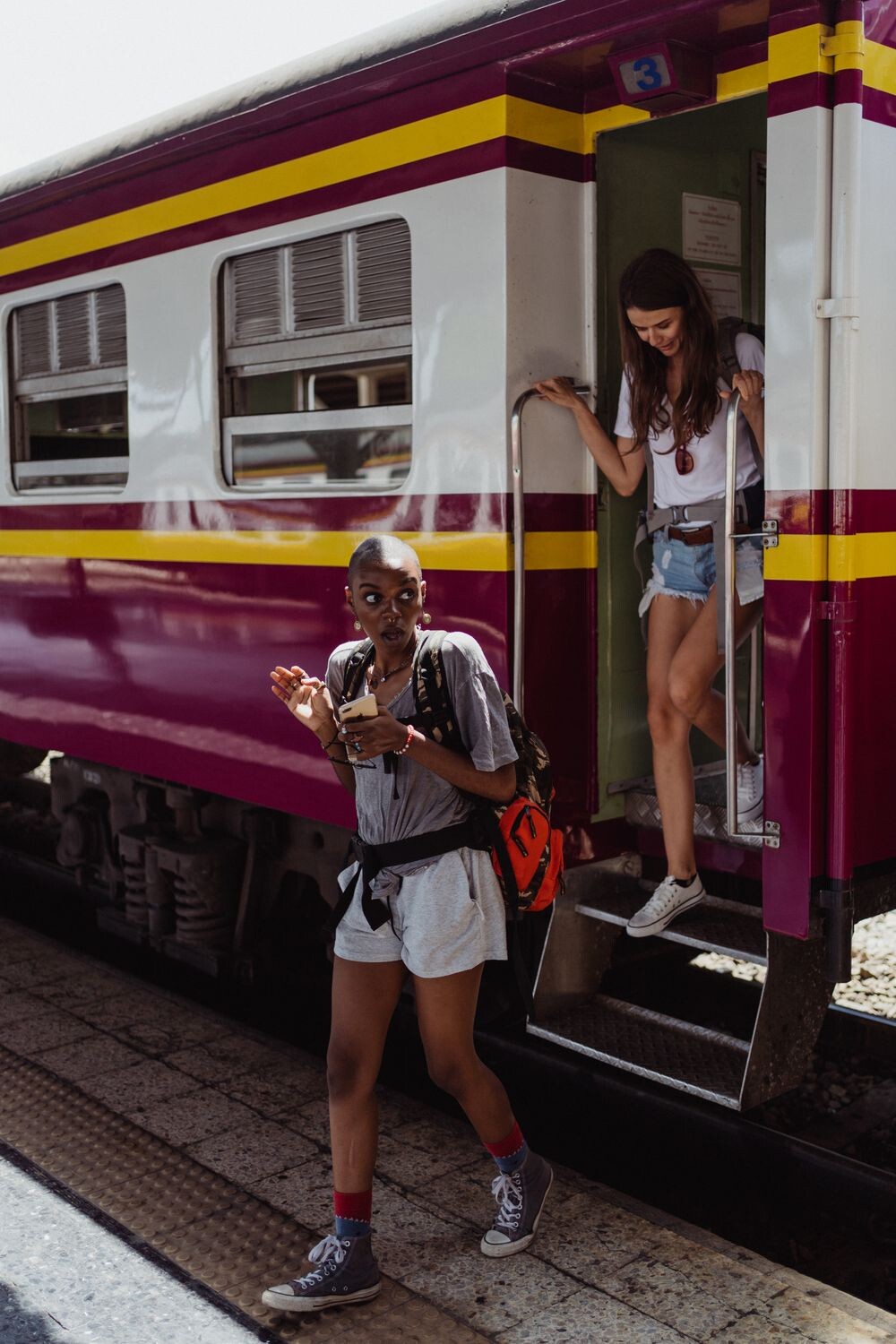
Some attractions are cheaper at quiet times of day. Early visits can bring softer light, cooler air, and shorter waits.
That can make photos look better too, which is a nice bonus. Off-peak timing often feels more peaceful and less crowded.
Ask about morning rates, late entry prices, or special weekday offers. A little timing change can lower the total without changing the fun.
Plan your favorite stop for the calmest hours and keep the busiest ones for later. This gives your trip a smoother rhythm and a better mood.
23. Use Local SIMs or Travel Wi-Fi Carefully

Phone bills can become a sneaky travel cost. A local SIM or shared Wi-Fi plan may be much cheaper than roaming fees.
Staying connected helps with maps, bookings, and language tools. It also makes the trip feel safer and easier to manage.
Check what your phone supports before you leave so there are no surprises. If you only need light use, a small data plan may be enough.
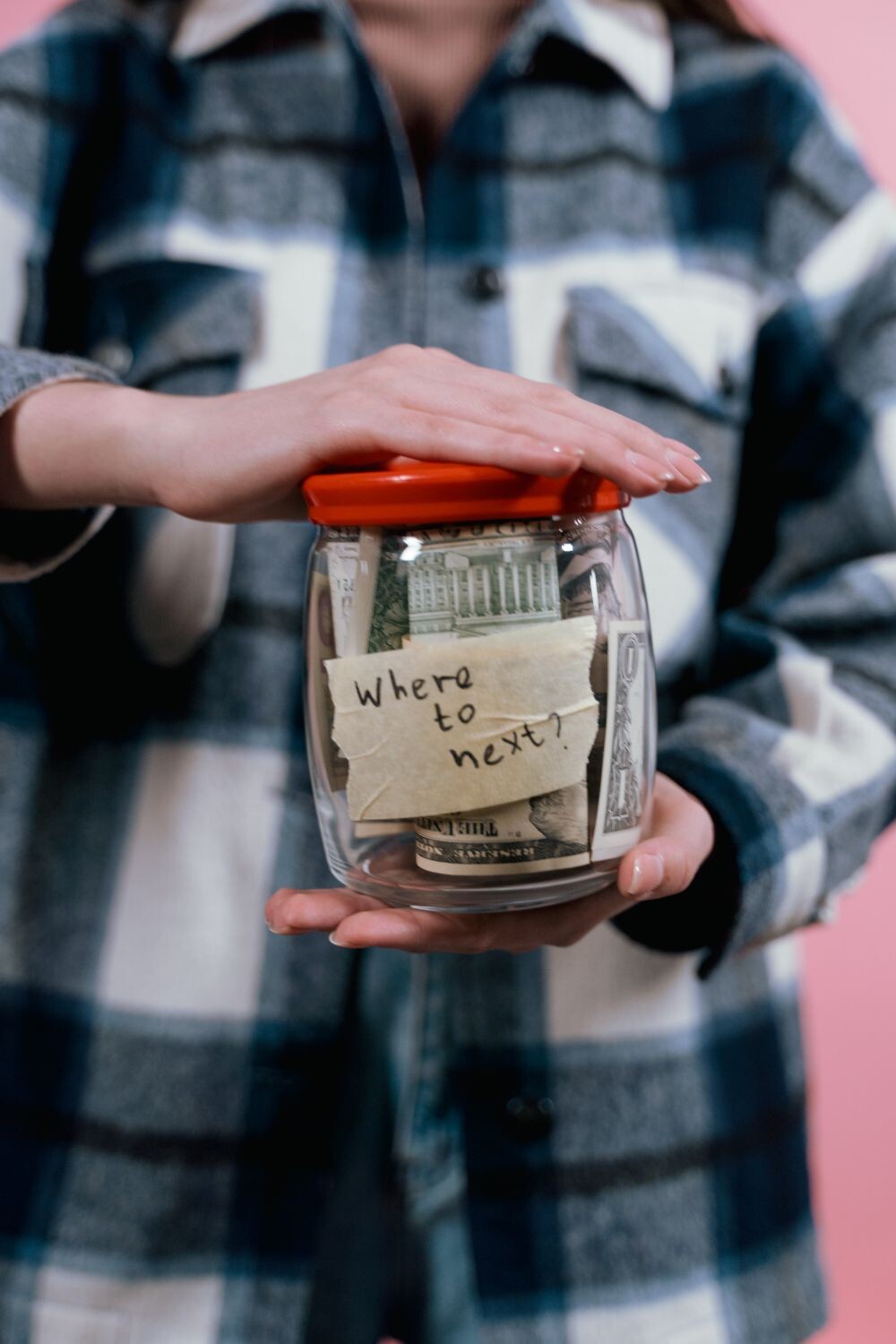
24. Set a Daily Spending Limit
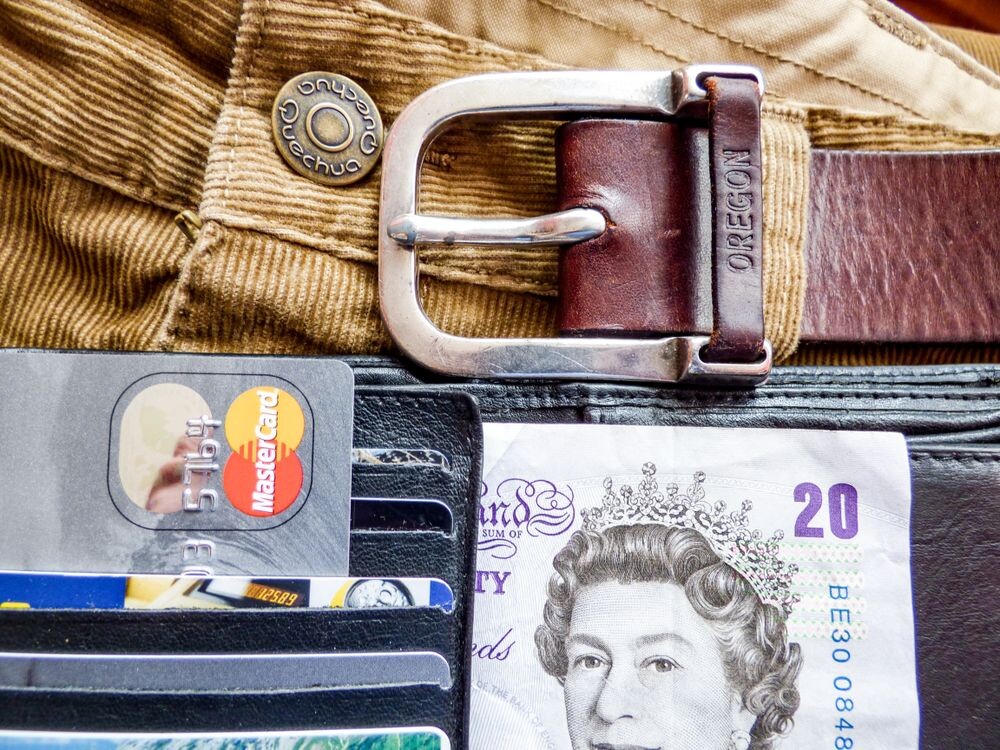
A daily budget can feel like a tiny guide in your pocket. It helps you make choices without guessing all day long.
When you know your limit, you can spend on what matters most and skip the rest. That brings calm and keeps money from slipping away.
Use a notes app or a small paper card to track meals, rides, and extras. Seeing the total can help you adjust before it gets too high.
Make the limit fit your trip style, not someone else’s. A beach day, city day, and hiking day may all need different plans.
25. Build a Trip Around One Big Goal
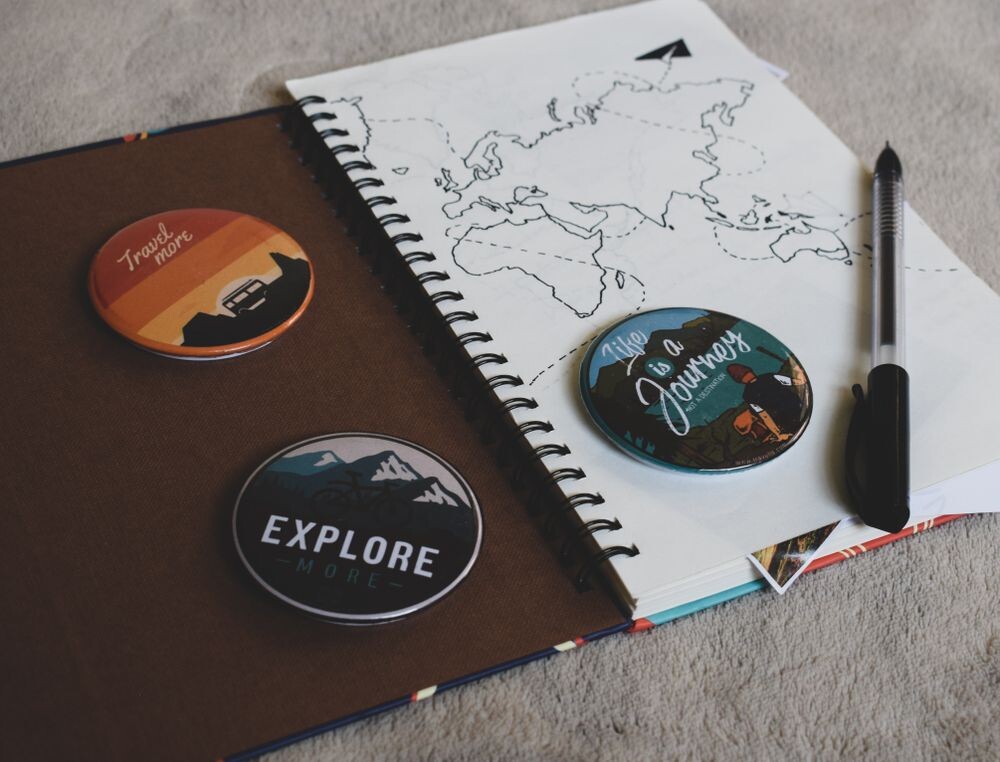
A trip with one clear focus can be easier to plan and cheaper to enjoy. Maybe it is food, hiking, art, or time with family.
When you know the main goal, you can skip random spending that does not add much joy. That keeps the trip neat, personal, and more affordable.
Choose activities that support the goal and ignore extras that feel only okay. A focused plan often gives better memories than a packed schedule.
Use your favorite colors, foods, or hobbies as part of the plan so it feels made for you. That personal touch makes the whole trip feel special without raising the cost.