
Every place has its own mood, colors, and rhythm. A good trip feels better when you know how to enjoy it fully.
1. Slow Down and Notice the Small Things
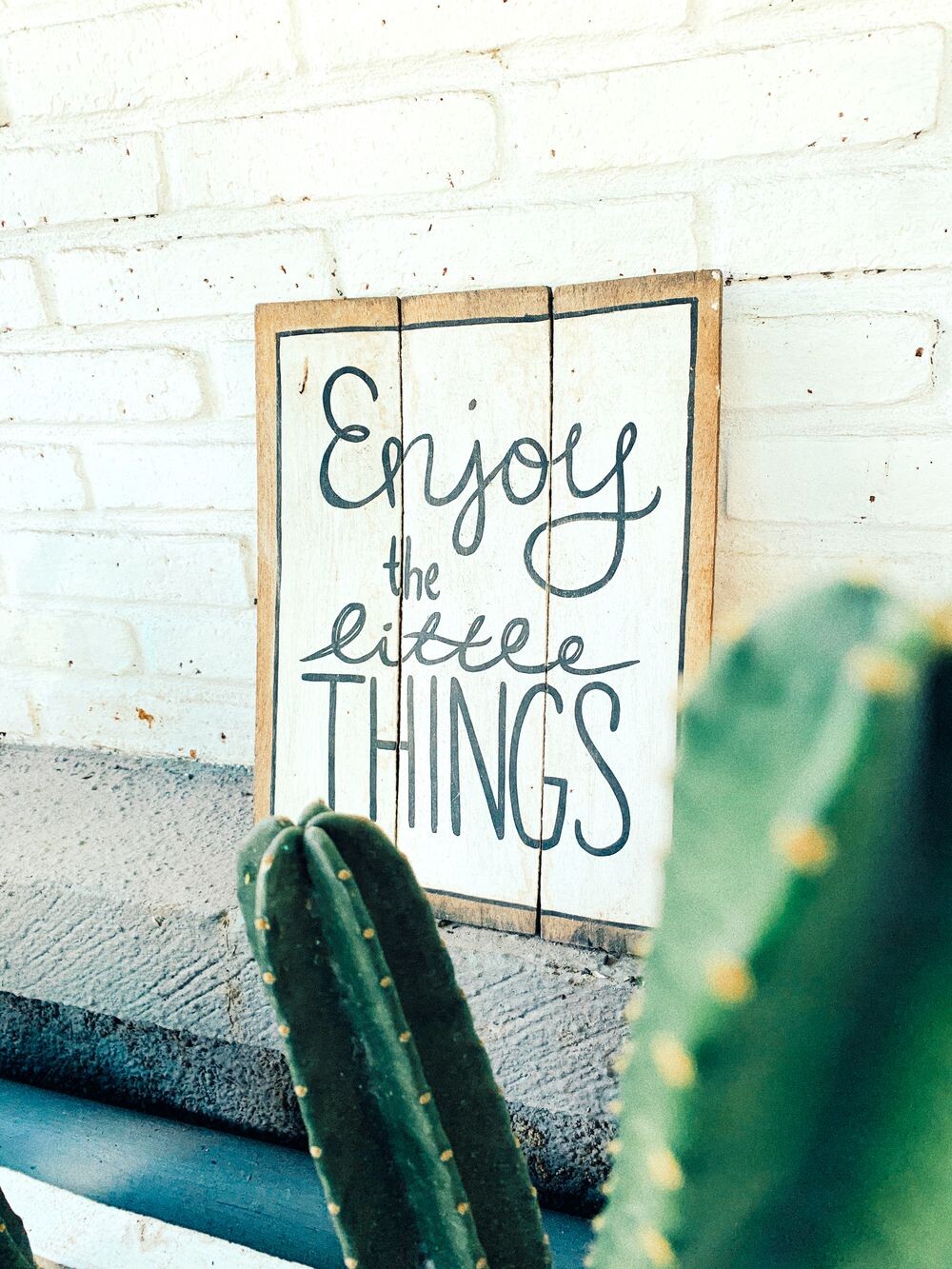
Quiet details can make a place feel magical. A painted door, a street tree, or the smell from a bakery can stay in your memory longer than a big landmark.
When you move more slowly, you see more of the real place. This also helps you save money, since simple moments often cost nothing at all. Try picking one street, park, or square and giving it your full attention.
2. Match Your Plans to Your Energy
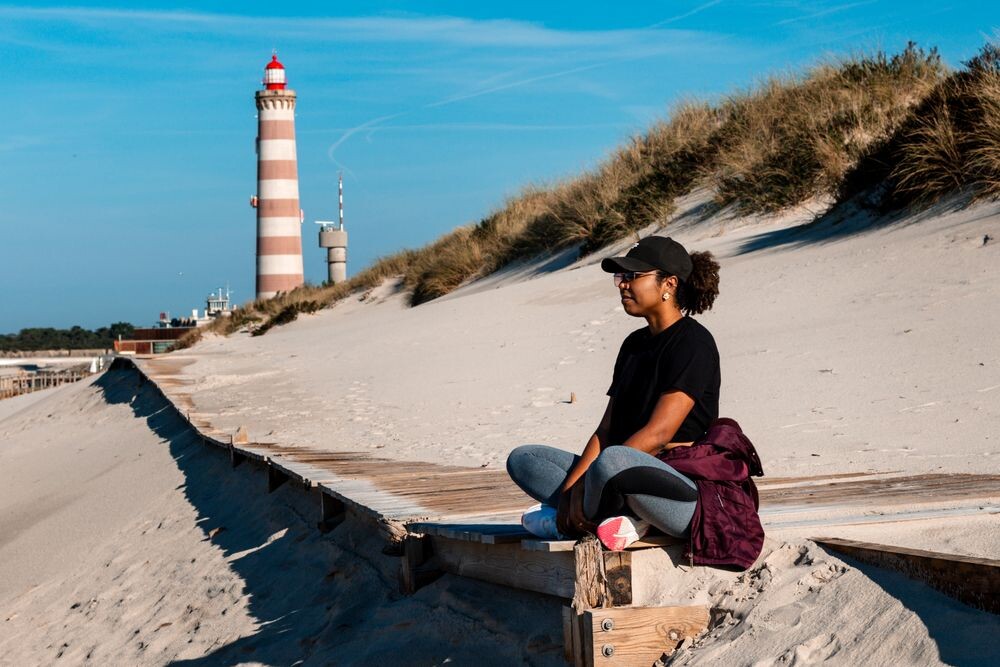
Some days feel bright and busy, while others feel calm and soft. Your trip can feel much better when you plan around how much energy you have.
If you wake up excited, choose a lively spot with music, food, or crowds. If you feel tired, a quiet café, a beach bench, or a museum can be a better fit. This kind of personal planning makes each stop feel unique and easy to enjoy.
It also helps with cost, because you can choose free or low-cost places on low-energy days. Many travelers now mix active outings with rest breaks, which keeps the whole trip feeling smoother. You can build a trip that feels like it was made for you.
3. Taste the Local Food in Simple Ways
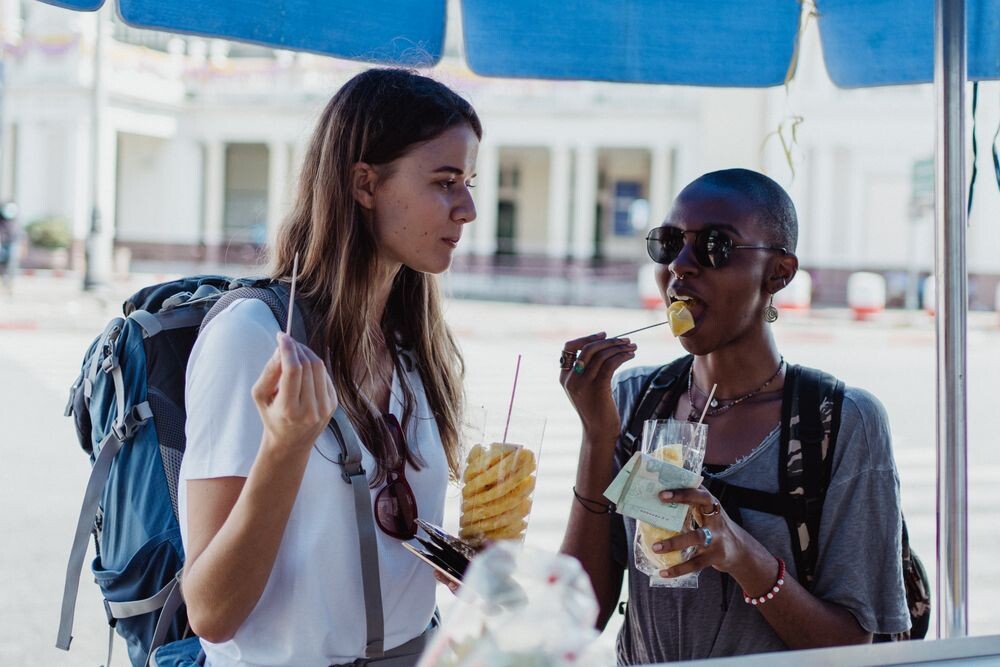
Food can tell you a lot about a place. Bright fruit, warm bread, street snacks, and local soups can make the day feel special.
You do not need fancy meals to enjoy local flavor. A small market bite or a cheap lunch from a family shop can be just as memorable. Ask for the dish that people in the area love most.
Trying local food also gives you a strong sense of place. It can be a fun way to personalize your trip by choosing flavors you already like, or by being brave and trying something new. Street food and market meals are still a big travel trend because they often cost less and feel more real.
4. Keep Your Schedule Light
A packed day can feel stressful fast. A lighter plan gives you more room to breathe, notice things, and enjoy surprises.
Leave open time for a random shop, a pretty view, or an extra snack stop. That freedom can make a place feel bigger and more interesting. It also lowers the chance of spending money on rushed taxis or last-minute fixes.
5. Talk to People Who Live There

Local people can point you toward the best parts of a destination. Their ideas often lead to places that look simple but feel full of life.
A short chat can help you find a quiet beach, a good lunch spot, or a fun event. You may also hear stories that make the area feel more human and warm. This adds a personal touch that guidebooks cannot always give.
Talking with locals can also help you spend wisely, since they often know where the good deals are. A friendly question can lead to a free tip that makes your whole day better. Many travelers now look for small community spots instead of only famous attractions.
6. Pack for Comfort and Style
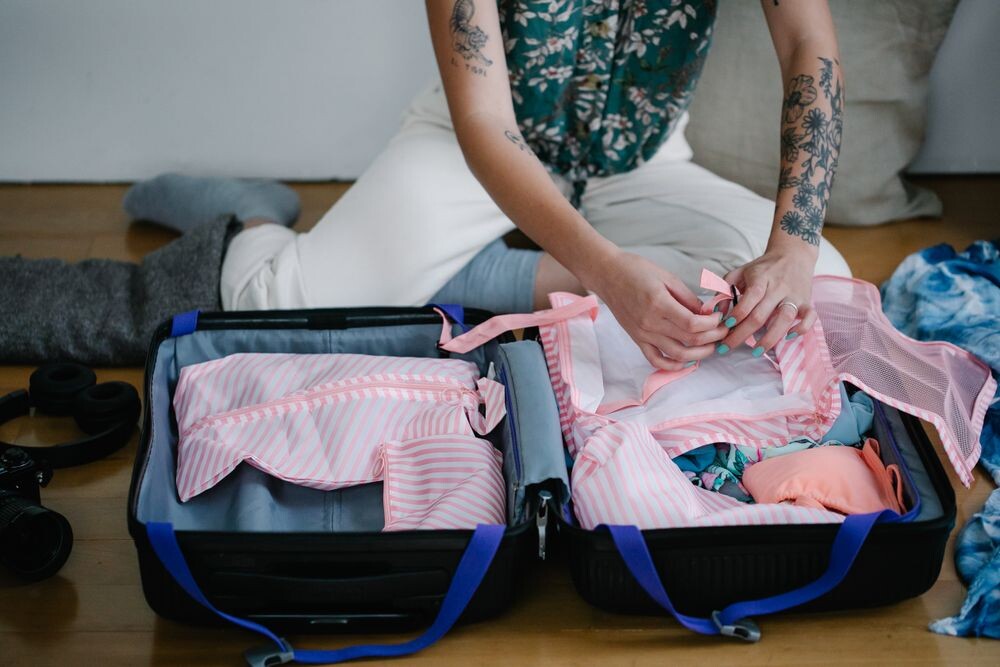
What you wear can shape how you feel all day. Soft shoes, a light layer, and a bag that is easy to carry can make walking much more pleasant.
Comfort does not have to look plain. You can choose colors or items that fit your style and still work well for the weather. When you feel good in your clothes, you notice the destination more and your own discomfort less.
Smart packing can save money too, because you avoid buying extra items you forgot at home. A few useful pieces can do a lot of work on the road. This is one reason travel wardrobes with mix-and-match clothes are so popular right now.
7. Take Photos, but Do Not Chase Them
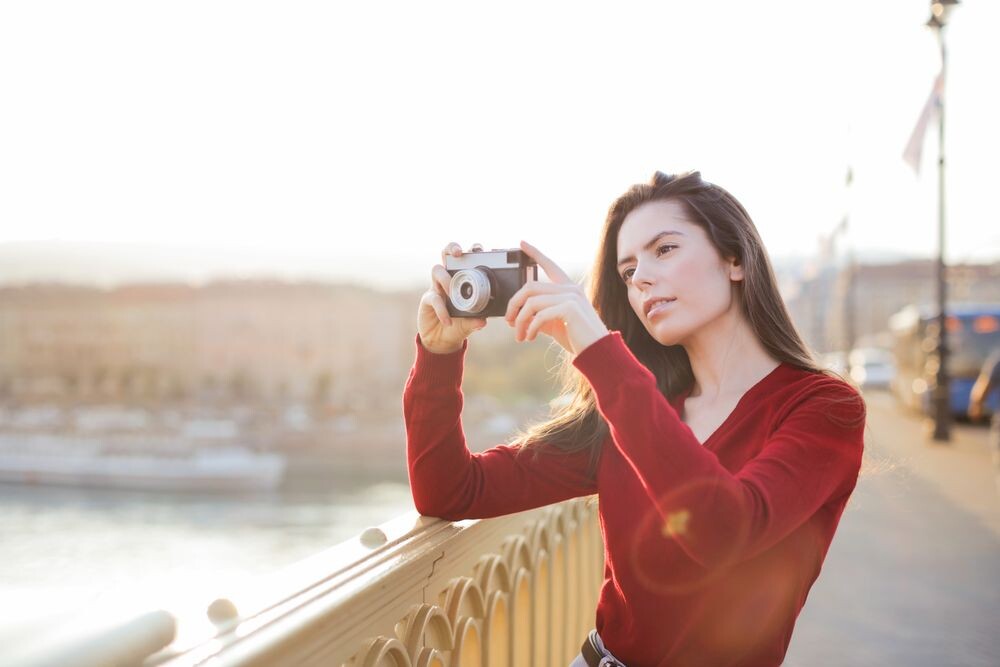
Photos help keep a place in your memory. A bright skyline, a calm lake, or a busy market can look wonderful in a picture.
Still, it is easy to spend too much time framing the perfect shot. A better idea is to take a few quick photos and then put the phone away. That way, you stay present and enjoy the real scene with your eyes.
You can make your pictures more personal by focusing on things you love, like colors, food, signs, or textures. This gives your trip a unique photo story instead of just a list of landmarks. Many people now prefer natural, simple images over posed travel shots.
8. Mix Famous Spots with Hidden Corners
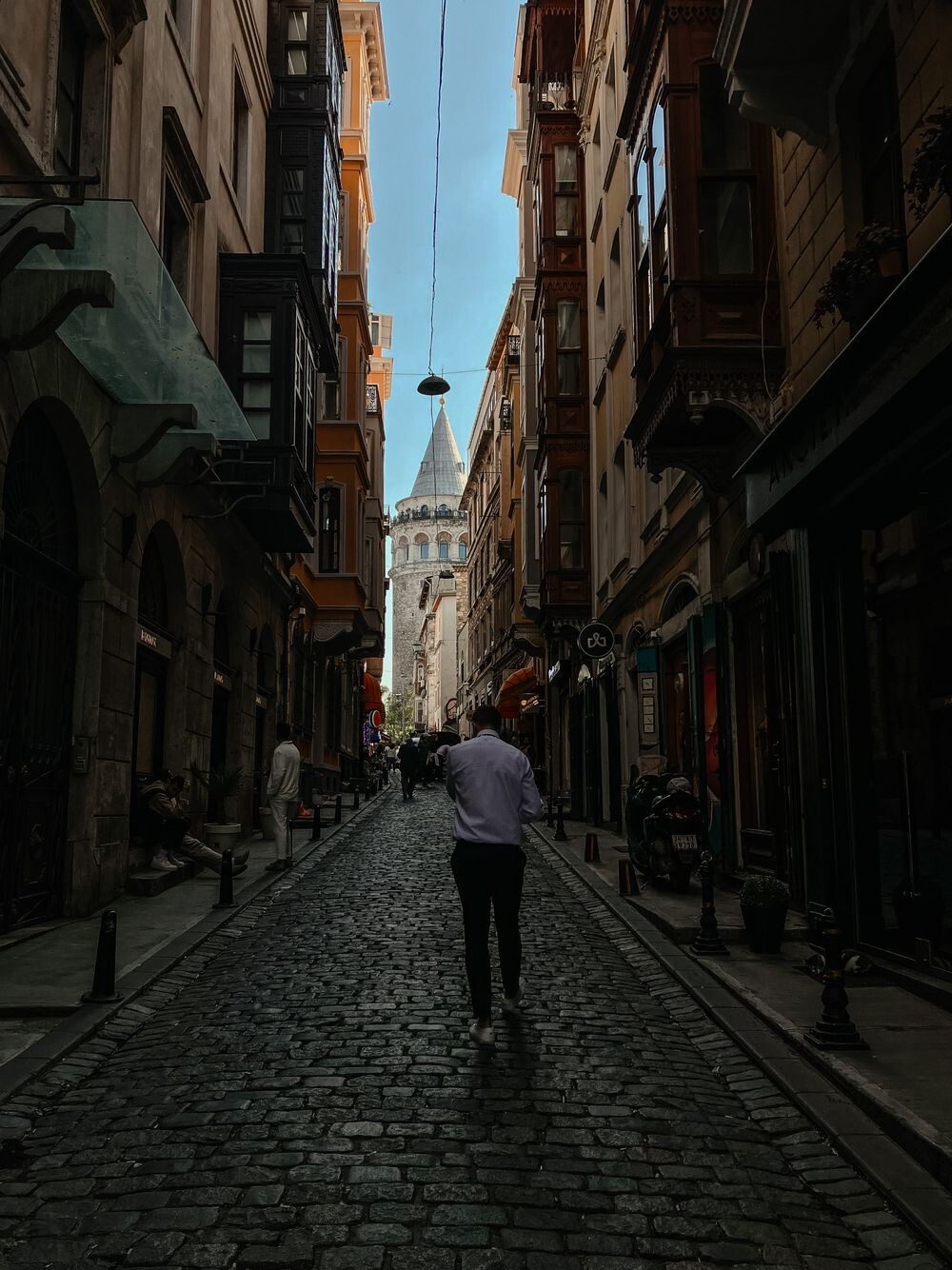
Big attractions are popular for a reason. They often have grand views, bold shapes, and a strong sense of history.
Hidden corners can be just as exciting in a different way. A tiny bookstore, a quiet alley, or a small garden may feel more peaceful and special. This mix keeps your trip from feeling too crowded or too predictable.
It can also help with cost, since lesser-known places are often free or cheaper to visit. You can choose hidden spots that fit your style, like art walls, local parks, or old neighborhoods. This blend is a strong current trend because it gives travelers more balance and more stories to tell.
9. Build in Time to Rest
Rest is part of a good trip, not a waste of time. A short break can help you enjoy the next stop with a clearer mind.
Find a bench, a shady tree, or a cozy café and sit for a while. Watch the people, the clouds, or the light on the buildings. These calm moments can feel just as rich as the busy ones.
Rest can also keep your spending under control, since tired travelers often make rushed choices. When you pause, you are more likely to pick the right meal, the right ride, or the right activity. A little rest can make the whole day feel kinder.
10. Choose Experiences That Fit Your Interests
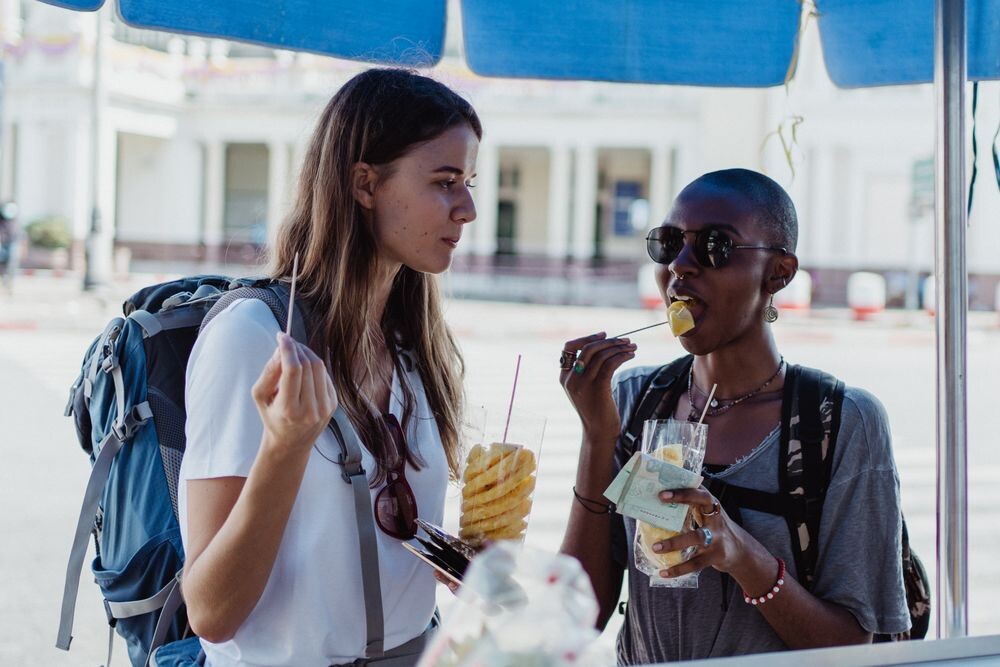
Every traveler likes different things. Some people love art, some love nature, and some love food, games, or old stories.
When you match activities to your interests, the place feels more alive. A museum, a mountain path, or a craft market can all feel amazing if they fit your taste. This makes the trip feel personal instead of copied from someone else.
You can also plan around budget by choosing the type of experience that gives you the most joy for the least money. Free walking paths, public beaches, and local festivals can be great choices. The best trips often come from simple plans that match your own style.
11. Stay Open to Weather Changes
Rain, wind, heat, and cool air can all change the feel of a destination. A cloudy street can look soft and dreamy, while a sunny one can feel bright and full of energy.
Try to see weather as part of the trip, not a problem. A rainy afternoon might be perfect for a café, a market, or a movie. That flexible mindset can make a place feel more unique and less stressful.
It also helps you avoid extra spending on panic changes. If you have a backup plan, you can switch smoothly without wasting time or money. Many travelers now build flexible days instead of fixed ones, and that idea works very well.
12. Keep a Small Travel Ritual
A tiny habit can make each destination feel more special. It might be a morning walk, a snack at sunset, or a note written before bed.
Repeating the same ritual in new places gives you a warm sense of comfort. At the same time, each destination changes the feeling of the ritual in its own way. That mix of sameness and change can be very satisfying.
Your ritual can be low-cost and easy to keep anywhere. You might sketch a scene, collect a map, or take one photo of the sky each day. Small habits like these are becoming more popular because they help trips feel personal and calm.
13. Leave Room for Surprise
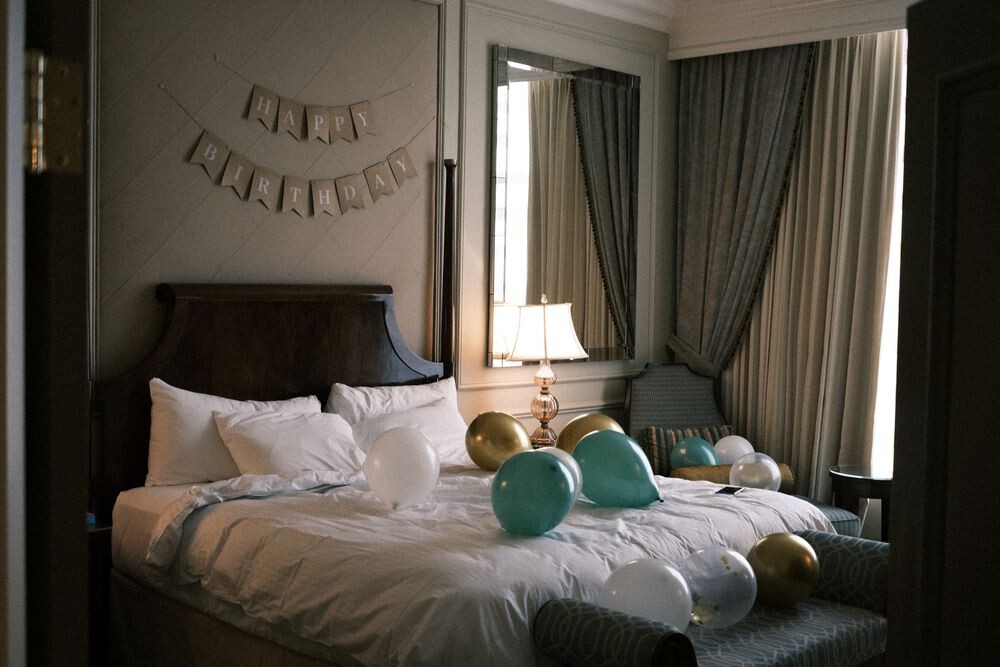
Some of the best parts of a trip happen by accident. A street performer, a sudden view, or a friendly invitation can make a day unforgettable.
If every hour is locked in, you may miss those moments. Leaving a little empty space gives the destination room to surprise you. That is often where the most unique memories are born.
Surprise can also be gentle on your wallet, since unexpected fun does not always need a ticket. You can follow a sound, a smell, or a crowd and see where it leads. Travelers today often look for these real, unscripted moments because they feel fresh and full of life.

