Vacation dreams can grow fast and get expensive. Small choices today can make a big trip feel much easier later.
1. Open a separate vacation savings jar
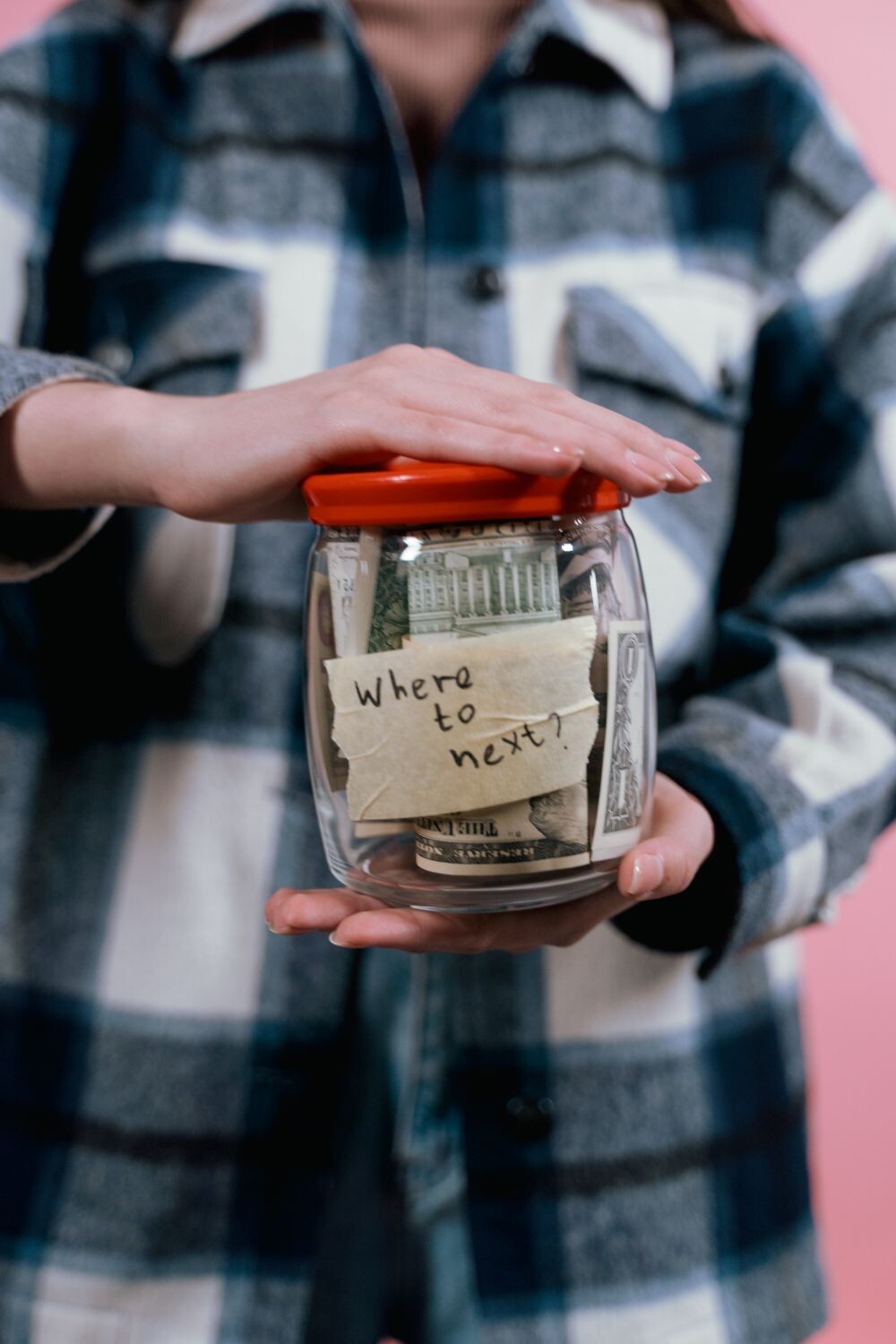
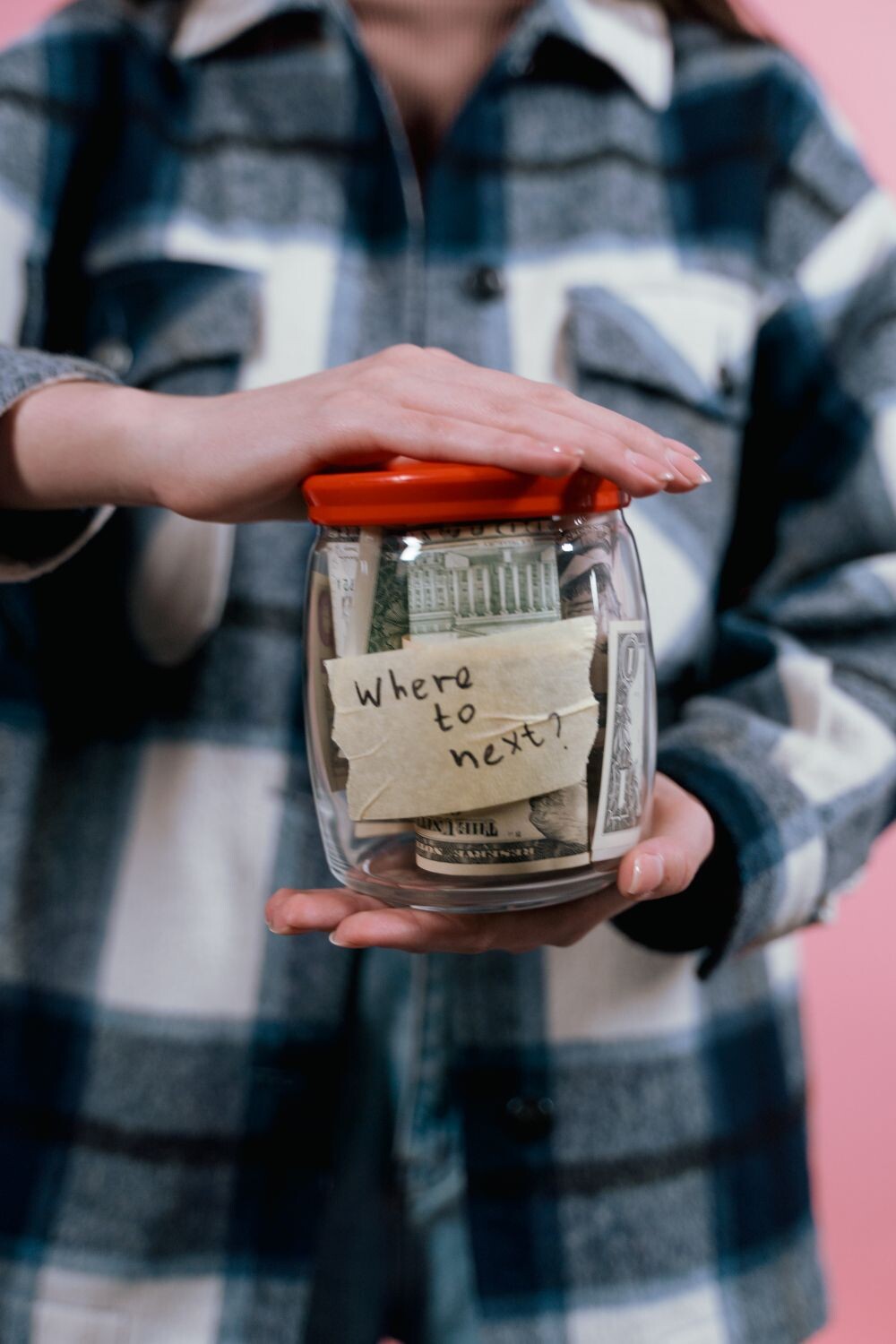
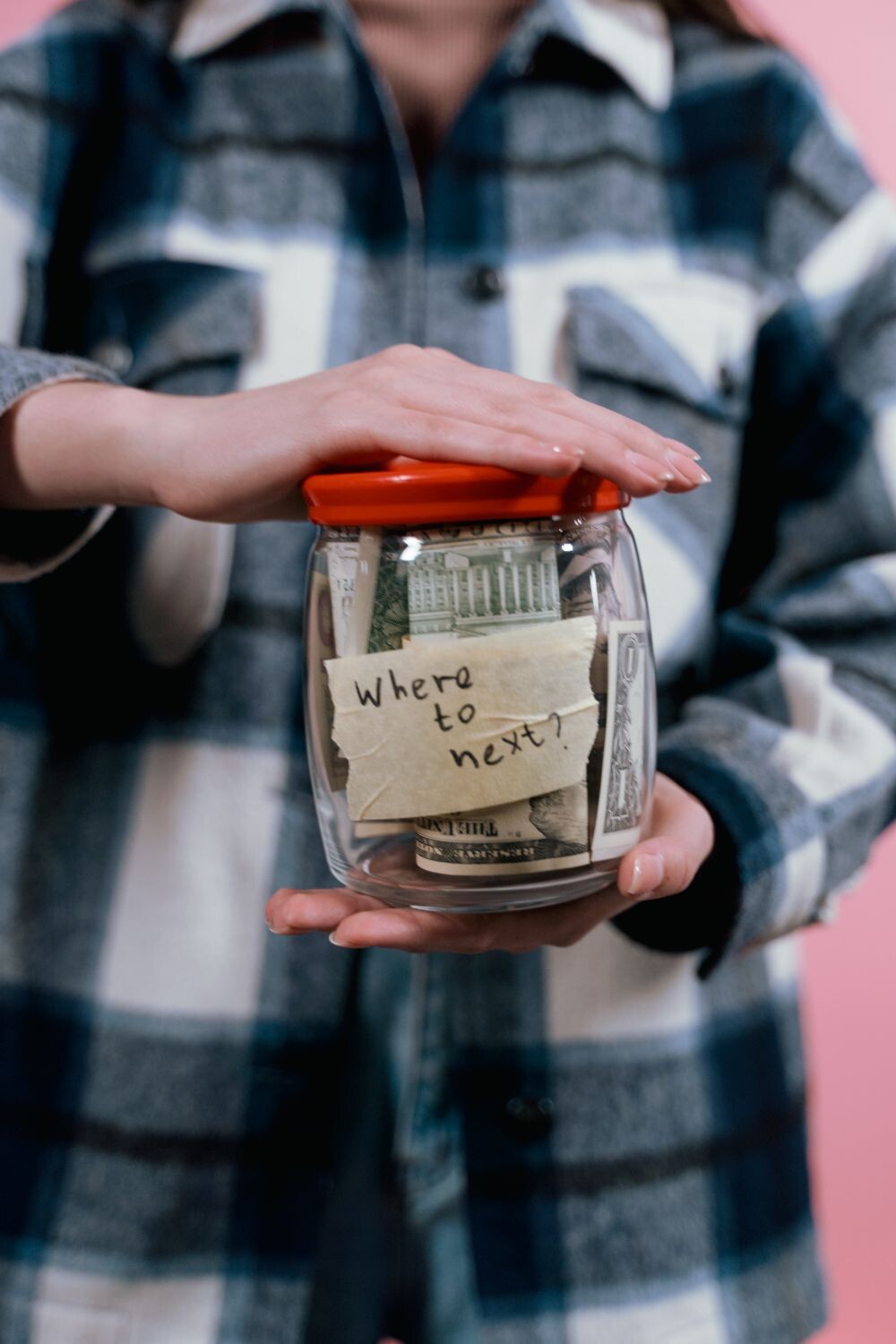
A clear jar on a shelf can make saving feel real and fun. Watching coins and bills stack up gives your trip a bright, hopeful look.
This idea works because it keeps vacation money out of your daily spending. You can label the jar with the place you want to go, like a beach town or mountain cabin. Add a little each week, and make it personal with stickers, ribbon, or a photo of your dream spot.
2. Set up an automatic transfer

Money can move from checking to savings without much effort. That quiet shift helps your trip fund grow in the background while you live your normal life.
It is a simple way to save without thinking about it every day. Even a small amount can add up over time, and the cost feels gentler when it is spread out. Many people like to match the transfer to payday so the money is gone before they spend it.
You can make it fit your life by choosing a date that works best for your bills. Some travelers also create a second transfer for extras like snacks, museum tickets, or a special meal. This habit is popular now because it feels easy and steady.
3. Use a travel rewards credit card with care
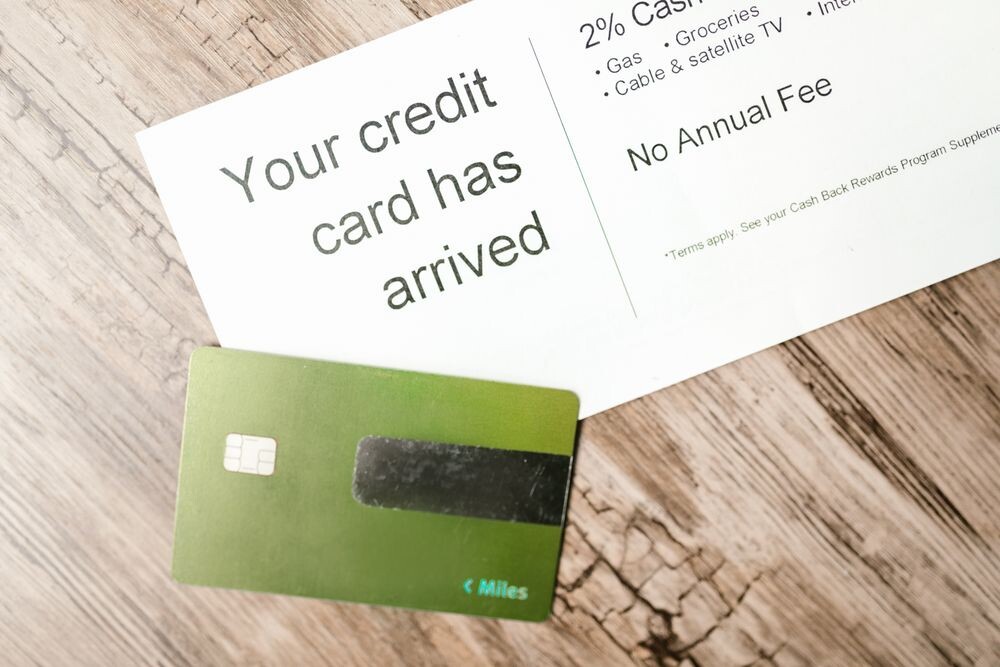
A good rewards card can turn regular spending into future trip help. The points may later pay for flights, hotel nights, or car rentals, which can make your vacation look much cheaper.
Pick a card that matches how you spend and travel. If you like plane trips, an airline card may fit, while a flexible card may suit many kinds of trips. Always pay the bill on time so fees and interest do not eat up the savings.
Some cards also give travel perks like free bags or airport lounge access. That can make the trip feel calmer and a little more special. Read the rules closely so the rewards stay a benefit and not a surprise cost.
4. Plan trips in the off-season

Traveling when crowds are smaller often means lower prices and nicer views. Streets, beaches, and parks can feel calmer and more open during slower times.
This can save a lot on hotels, flights, and even food. You may also get better service and easier booking choices, which makes the whole trip smoother. A flexible calendar gives you more power to choose a cheaper time.
5. Build a vacation fund with cash-back apps

Cash-back apps can turn everyday shopping into travel money. The screen may show small rewards at first, but those tiny amounts can grow into something useful.
Try using them for groceries, gas, or online orders you already planned to buy. Then move the rewards into your vacation fund right away. This method feels unique because it saves money without changing your whole routine.
You can make it more personal by naming the fund after your next trip. Many people like to track the total in a notes app or on a paper chart. The best part is that the savings can come from things you already need.
6. Cook more meals at home

Home-cooked meals can free up a surprising amount of money. A warm kitchen table can also feel cozy in a way that supports your travel goals.
Try simple meals like pasta, soup, rice bowls, or sandwiches. These cost less than takeout and often leave leftovers for lunch. If you save the difference each week, your vacation fund can grow faster than you think.
Make it more fun by choosing a theme night, like taco night or breakfast for dinner. Kids can help with easy jobs, and that keeps the whole family involved. Small food changes can lead to big travel gains.
7. Cancel unused subscriptions

Streaming, apps, and boxes can quietly take money every month. When they sit unused, they look like tiny leaks in your budget.
Review your charges and keep only what you truly enjoy. Even one or two canceled subscriptions can help cover a night in a hotel or a train ride. You can always bring one back later if it still fits your life.
A good tip is to check your bank statement once a month. Many people are surprised by charges they forgot about. This habit is simple, and it can make your future trips feel easier to pay for.
8. Travel with a smart packing list

Packing well can save money before the trip even starts. A neat suitcase with the right items can help you avoid buying costly extras on the road.
Bring basics like snacks, a refillable water bottle, chargers, and weather-ready clothes. That way, you do not need to pay high prices at airports or tourist shops. A personalized list for each kind of trip keeps you ready and calm.
9. Use price alerts for flights and hotels

Price alerts can watch fares while you do other things. The moment a deal appears, your phone or email can give you a helpful nudge.
This saves time and may save a lot of cash. Set alerts for a few dates and nearby airports or hotel areas so you can compare options. Many travelers use this trend because it feels like having a little helper.
You can tailor alerts to your dream destination and trip style. If you want a beach stay, watch for rooms near the water and not just the city center. Flexible searches often lead to better prices and more choices.
10. Choose places with free things to do

Some of the best vacation memories cost nothing at all. A sunny park, a local festival, or a pretty walking path can look just as amazing as pricey attractions.
Look for museums with free days, public beaches, hiking trails, and city events. These activities help stretch your budget while still giving you fun stories to tell. It is smart to mix paid and free plans so the trip feels rich without feeling expensive.
You can make a list before you go and mark the spots that match your interests. Families, couples, and solo travelers can all choose different free experiences. That kind of personal planning keeps the trip special and affordable.
11. Buy travel items during sales

Luggage, shoes, sunscreen, and travel pillows can cost less if you shop at the right time. A sale rack or coupon can make a big difference when you need several items.
Watch for holiday deals, end-of-season markdowns, and online promo codes. Buying early gives you time to compare prices instead of rushing later. It also helps you avoid last-minute shopping, which often costs more.
Make a list of what you truly need before buying anything. A matching set of travel items can look neat and feel organized, but only if it fits your budget. Smart shopping now means more money left for the trip itself.
12. Stay in one place longer

Longer stays can lower the cost of moving from place to place. A bright apartment or hotel room for several nights can feel more relaxed than packing up all the time.
Many hosts and hotels offer better rates for longer visits. You may also spend less on transport, because you are not switching locations so often. This style is popular with remote workers and families who want a slower pace.
It can be a good fit if you like unpacking once and settling in. Personal touches like a favorite snack, a paperback book, or a small blanket can make the space feel homey. Less moving around often means less spending.
13. Share costs with friends or family

Trips can get cheaper when people split the bill. A shared cabin, rental car, or meal can look much lighter on each person’s wallet.
Talk early about budgets, habits, and comfort levels so everyone feels good. Clear plans help avoid awkward money moments later. This idea works best when each person knows what they are paying for.
You can personalize the trip by dividing jobs too, like one person handling snacks and another booking activities. Shared planning can make the vacation feel warm and social. It also helps each traveler keep more money for future adventures.
14. Pack your own snacks

Airport and roadside snacks often cost far more than home snacks. A small bag of crackers or fruit can look plain, but it can save a lot.
Bring easy items like granola bars, nuts, dried fruit, or sandwich fixings. These help stop impulse buying when hunger hits and prices are high. You can choose snacks that match your taste and your trip style.
This tip is especially handy for families with kids. A colorful snack bag can make the travel day feel smoother and less cranky. Saving on food during the trip leaves more room for the fun parts.
15. Use public transportation when possible

Buses, trains, and subways can cost less than taxis or rental cars. They also give you a real-life view of the city, with streets, people, and signs flashing by the window.
Check passes, day tickets, and family fares before you go. In many places, transit is a smart and easy way to move around without extra parking fees. It can also cut stress because you do not need to drive in busy areas.
Some travelers like to plan routes ahead of time with maps apps. That makes the ride feel less confusing and more fun. If you enjoy local life, public transit can add a unique flavor to the whole trip.
16. Book early for popular dates

Popular holidays and school breaks can push prices up fast. Early booking can lock in a better rate before the crowd rushes in.
This helps with flights, rooms, and even tours that sell out. When you plan ahead, you can compare more choices and avoid panic spending. It also gives you more time to save for the trip in small steps.
Try setting a reminder months before your target date. You can make the booking feel special by choosing a place that matches your family’s style or your own favorite colors and views. Early action often means lower costs and better peace of mind.
17. Keep a travel wish list instead of impulse buying

It is easy to buy little things that seem fun in the moment. A wish list gives those items a waiting line so your money can stay put.
Write down travel gear, souvenirs, and extras you want later. After a few days, some items may not feel important anymore. That helps you spend with more care and save more for the trip fund.
You can sort the list by need, want, and maybe-later. A simple notebook or phone note works well for this. The habit feels calm and thoughtful, which is great for budget-minded travelers.
18. Set a no-spend day each week
A no-spend day means you do not buy anything unless it is truly needed. The day can feel peaceful, like a reset button for your wallet.
Use that day to eat food you already have, walk outside, or enjoy free home activities. The money you would have spent can move into your vacation fund instead. This is a small habit, but it can make a real difference over time.
Choose a day that fits your routine, such as a weekday or weekend. Families can make it a game and find fun things to do without shopping. The challenge can feel fresh and rewarding each time it comes around.
19. Swap pricey outings for local fun

Big outings can be exciting, but local fun often costs less. A picnic, library visit, or community event can still feel bright and memorable.
Try making a list of nearby places you have never tried. You may find new favorites close to home, and that can keep your travel budget strong. Saving at home gives you more room to spend on the vacation itself.
Personalize the list with things your group enjoys, like art, music, nature, or sports. This trend is growing because people want meaningful experiences without huge bills. Simple fun can be just as satisfying as a costly day out.
20. Use a travel fund challenge

A saving challenge can make the process feel playful. A chart on the fridge or a colorful app screen can show your progress in a cheerful way.
Pick a challenge that fits your budget, like saving spare change, rounding up purchases, or adding money after each payday. The goal is to keep the idea easy enough to repeat. Small wins build momentum and make the trip feel closer.
You can theme the challenge around your destination, such as palm trees for a beach trip or stars for a city break. That personal touch makes saving feel less boring. Many people enjoy this because it turns a money task into a game.
21. Bring a refillable water bottle

Water bottles can be expensive in airports, parks, and tourist spots. A sturdy refillable bottle looks simple, but it can save money and cut waste.
Choose one that fits your bag and your style. Some bottles keep drinks cold for hours, which feels great on hot days. You can also add a sticker or tag so it is easy to spot.
Refilling is usually cheaper than buying new drinks again and again. It is a small habit that supports both your wallet and the planet. That makes it a smart choice for modern travelers.
22. Compare package deals carefully
Vacation packages can look tempting because they bundle several costs together. A bright, all-in-one price may seem simple, but it still needs a close look.
Compare the package with separate bookings to see the real value. Sometimes the bundle saves money, and sometimes it adds things you do not need. The best deal is the one that fits your plans and your budget.
You can personalize this by choosing packages with the right mix of flights, rooms, and activities. Some travelers like all-inclusive stays, while others want more freedom. Careful comparing helps you avoid paying for extras that do not matter to you.
23. Sell things you no longer use

Old clothes, toys, gadgets, and books can turn into travel money. A neat pile of items for sale can feel like a hidden treasure in your home.
Use online marketplaces, garage sales, or local buy-and-sell groups. Take clear photos and write simple descriptions so buyers can understand what you have. This can help you make space and earn cash at the same time.
Think about what you no longer need but someone else might love. The money can go straight into your vacation fund, which makes the sale feel even better. It is a practical way to turn clutter into future memories.
24. Keep a trip price notebook

A small notebook can hold ideas, prices, and plans in one place. Flipping through the pages later can feel like reading the story of your future trip.
Write down flight prices, hotel rates, food estimates, and activity costs as you search. That helps you spot good deals and avoid forgetting important details. It also makes your budget feel real instead of fuzzy.
You can color-code pages, add stickers, or paste in pictures of your dream destination. Some travelers like digital notes, but paper can feel more personal and easy to use. A price notebook keeps your choices organized and your savings goals clear.