Cheap trips can feel like magic. The best ones often start with smart habits, not big money.
A small budget can still lead to rich days. With the right plan, every mile feels lighter and every stop feels more special.
1. Pick places where your money stretches farther
Some cities glow with bright markets, colorful buses, and low prices that make a trip feel easy on the wallet. These places can give you more meals, more sights, and more fun for less cash.
That is why choosing a low-cost spot can be the smartest first step. It helps you enjoy more without cutting every little joy out of the trip. Many budget travelers now look for towns with strong local food scenes and cheap public transport, since those trends save money and add flavor.
2. Travel light so you pay less and move faster
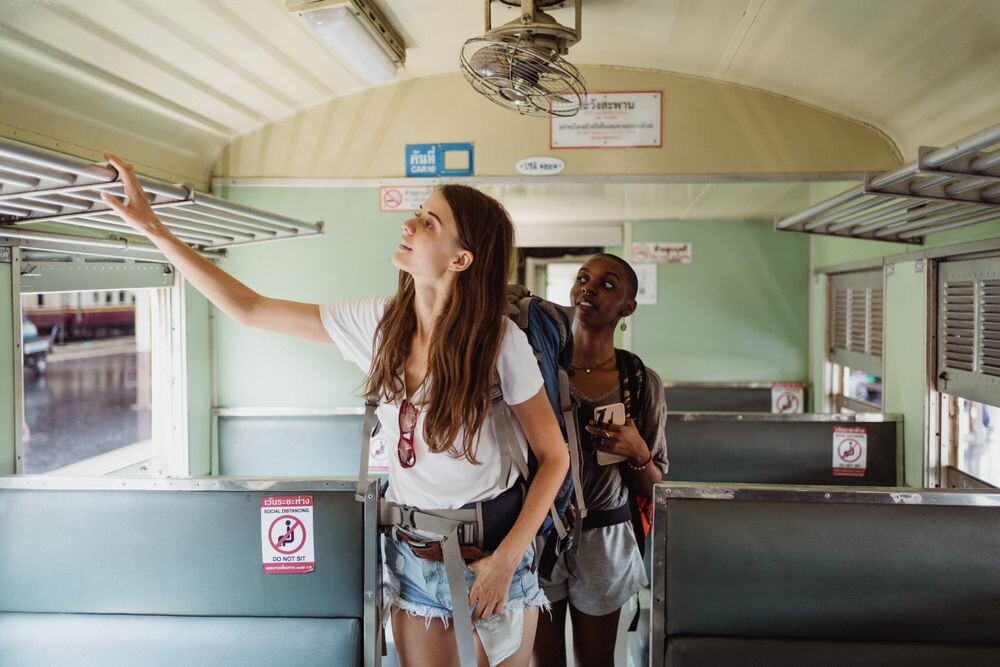
A small bag is a big friend when you are trying to save money. It keeps you from paying extra bag fees and makes train stations and bus stops feel less tiring.
Light packing also gives your trip a neat, simple look. You can walk farther, switch rides quickly, and feel less stressed when plans change. Try packing clothes that mix well, a tiny soap bar, and one pair of shoes that works in many places.
Many travelers now use carry-on only trips, and that trend can save time as well as money. You can make it personal by packing one item that feels like home, such as a small book, a cap, or a favorite scarf.
3. Use local food spots instead of fancy tourist places
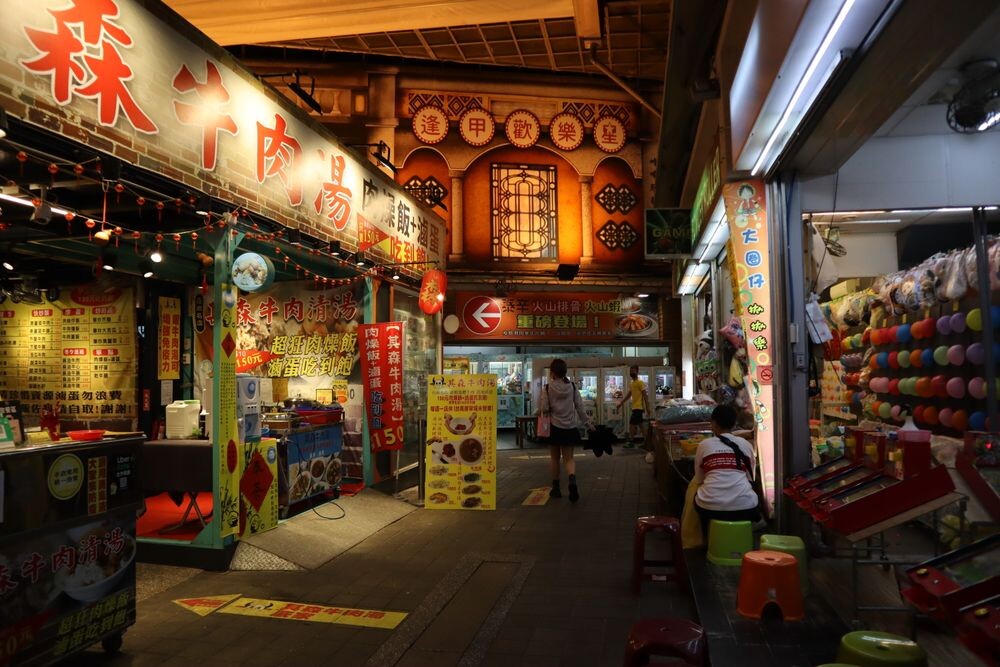
Street stalls and small family cafés often smell amazing and look full of life. The plates are usually simple, colorful, and made fresh right in front of you.
These places can cost far less than tourist restaurants. They also give you a real taste of the area, which makes the trip feel more unique and warm. Ask locals where they eat, and try one new dish each day to keep the trip fun.
If you want to stay on budget, choose lunch specials or set meals. You can also make the meal feel personal by picking spicy, mild, or sweet dishes that match your taste.
Food markets are a growing travel trend, and they are great for people who like variety. A shared table and a paper plate can still feel like a feast when the flavors are good.
4. Book with flexible dates when you can
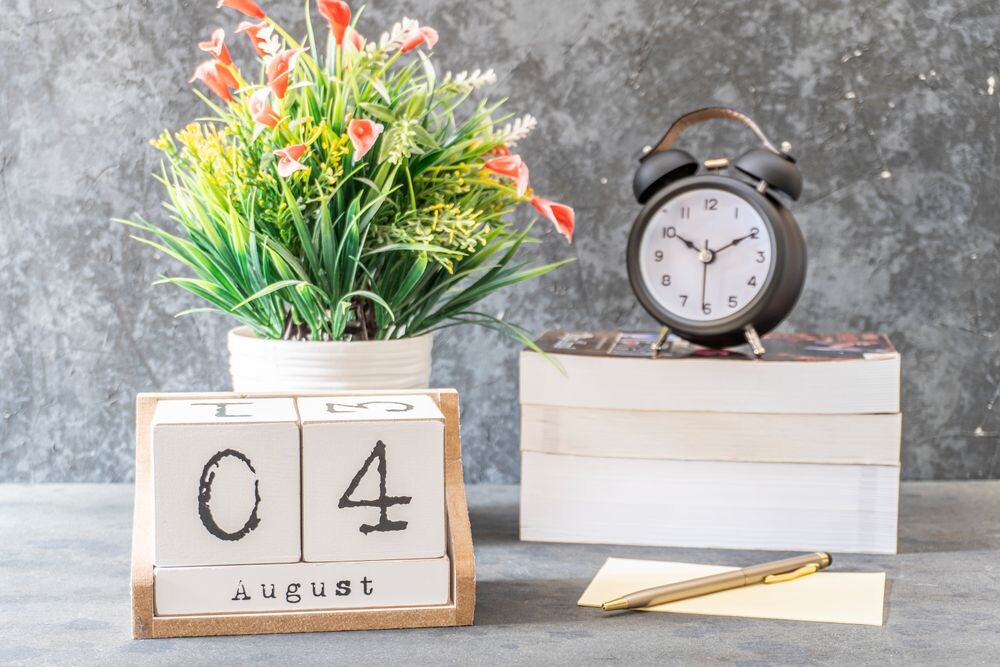
Travel prices can change a lot from one day to the next. A date shift of a few days may give you a much cheaper flight or room.
This simple move can open up better deals and less crowded places. It also lets you shape the trip around your own pace instead of the other way around. Watch for midweek fares, and check early morning or late-night options for lower prices.
5. Stay in simple places that still feel welcoming

A clean room with soft light and a tidy bed can feel just right after a long day. Budget stays often look plain from the outside but can still be cozy inside.
Hostels, guesthouses, and small inns can cost much less than big hotels. They also bring chances to meet other travelers and swap useful tips. Choose a place near buses or train stops so you save both money and time.
Some travelers now like shared kitchens because they cut food costs fast. You can make the stay feel more personal by bringing a small towel, a sleep mask, or a tiny snack stash.
Reading recent reviews is a smart habit because photos can hide rough edges. A low price is great, but comfort and safety should still come first.
6. Walk more and use public rides wisely
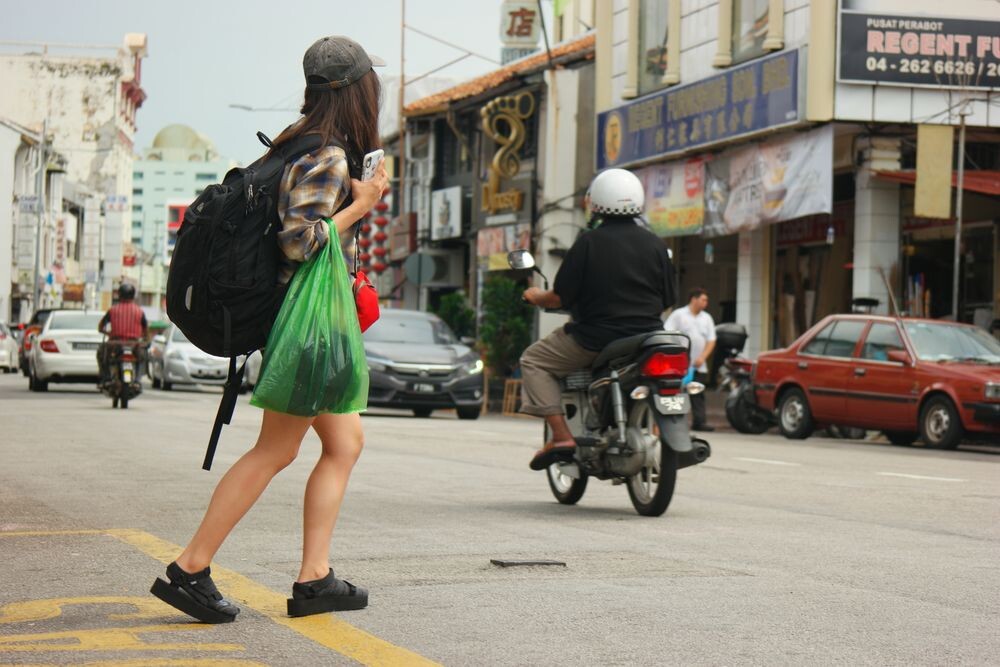
Walking streets can be one of the nicest parts of a trip. You see shop windows, old walls, bright signs, and small details that cars often miss.
Public buses, trams, and trains usually cost far less than taxis. They also help you feel the rhythm of the city in a way that feels real and local. Plan a few walking zones each day, and save ride money for longer hops.
Transit cards and day passes are helpful when you expect to move around a lot. You can make the day fit your style by mixing long walks with short rides and rest breaks.
7. Look for free things that still feel special
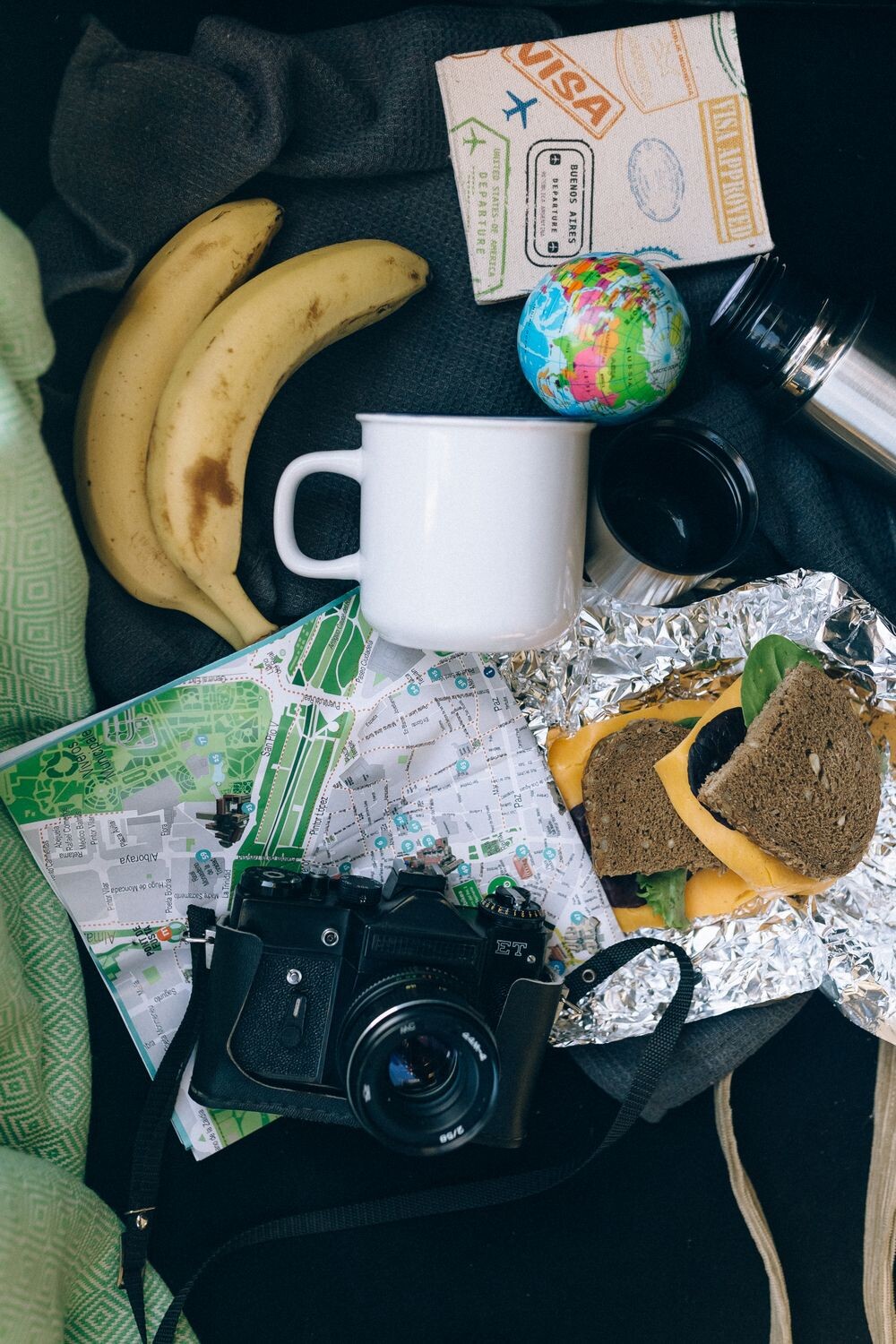
Many cities have parks, beach paths, museum days, and open-air shows that cost nothing. These spots can look bright and lively, with trees, fountains, murals, and happy crowds.
Free activities help your budget and keep the trip from feeling too planned. They also let you slow down and enjoy the mood of a place without spending every hour on paid tickets. Check local event boards, library pages, and town websites for fresh ideas.
You can make the day more personal by choosing free spots that match your interests, like art, nature, or music. This trend is popular with travelers who want more meaning and less spending.
Bring water, a hat, and a small snack so you can stay out longer. A free afternoon can still become a favorite memory if the setting is right.
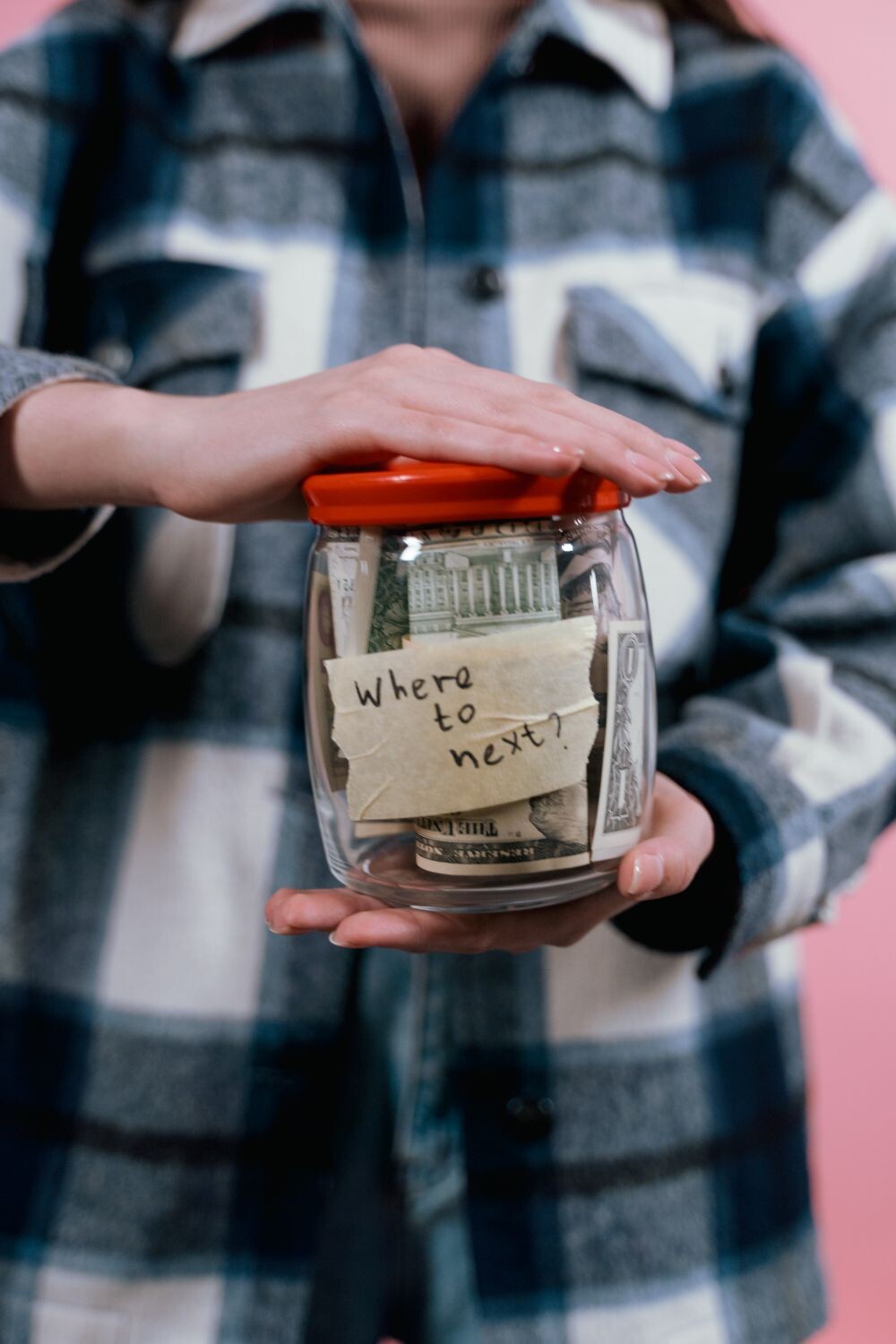
8. Keep a small trip fund for surprise costs
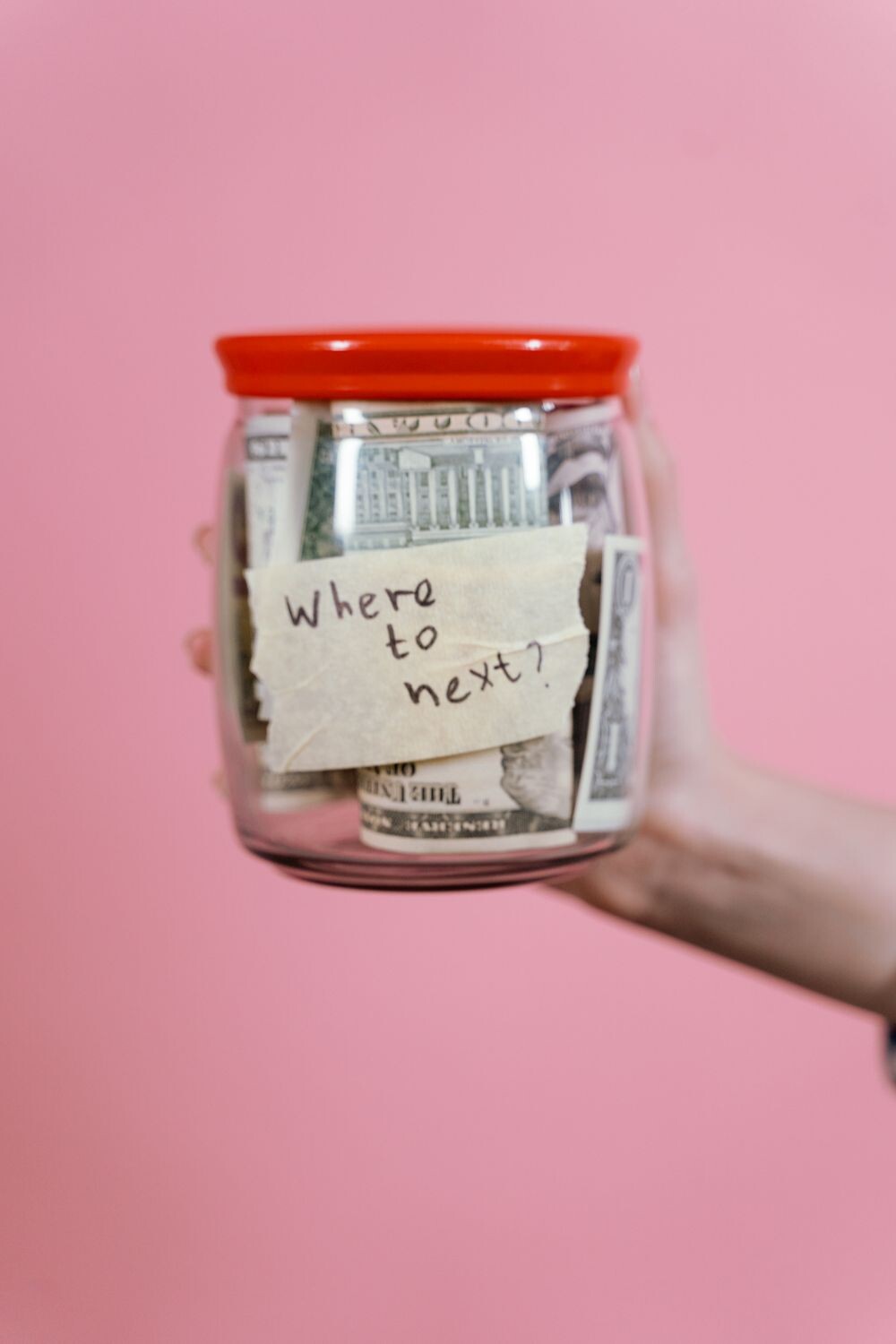
Even a well-planned trip can bring extra fees. A raincoat, a locker, a late bus, or a lost ticket can all cost more than you expect.
A tiny backup fund gives you peace of mind. It keeps one surprise from ruining the whole plan and helps you stay calm when the day changes. Put the money in a separate pocket or card so it is easy to reach but hard to spend early.
Many budget travelers now use simple money apps to track spending in real time. You can make the fund personal by naming it for your trip goal, like snacks, safety, or side fun.
This habit feels small, but it can save a trip from stress. It also helps you say yes to one nice extra when it really matters.
9. Shop like a local instead of a tourist
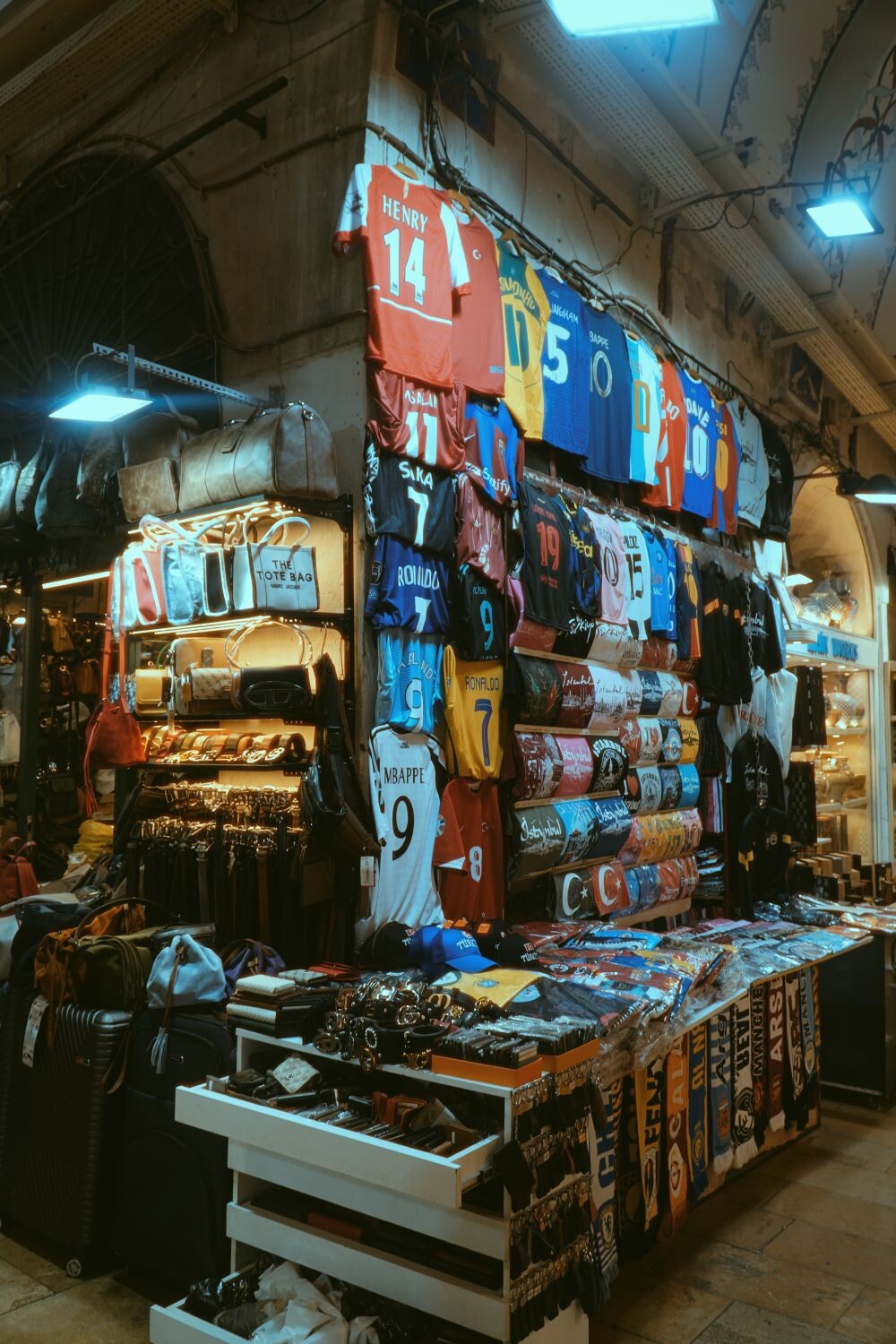
Local shops often have brighter shelves, friendlier prices, and everyday items that fit the area. The whole scene can feel lively, with produce bins, hanging signs, and people chatting at the counter.
Buying where locals buy can save money on snacks, water, and simple supplies. It also gives you a better feel for daily life in the place you are visiting. Try neighborhood markets, corner stores, and small bakeries before heading to tourist shops.
Bring a reusable bag if you can, since that is a common trend in many places now. You can personalize the shopping by choosing small treats that match your taste and travel style.
Watch the prices on drinks and packaged snacks, since those can add up fast. A few smart purchases can keep your day easy and your budget steady.
10. Use travel tools, but keep your own judgment
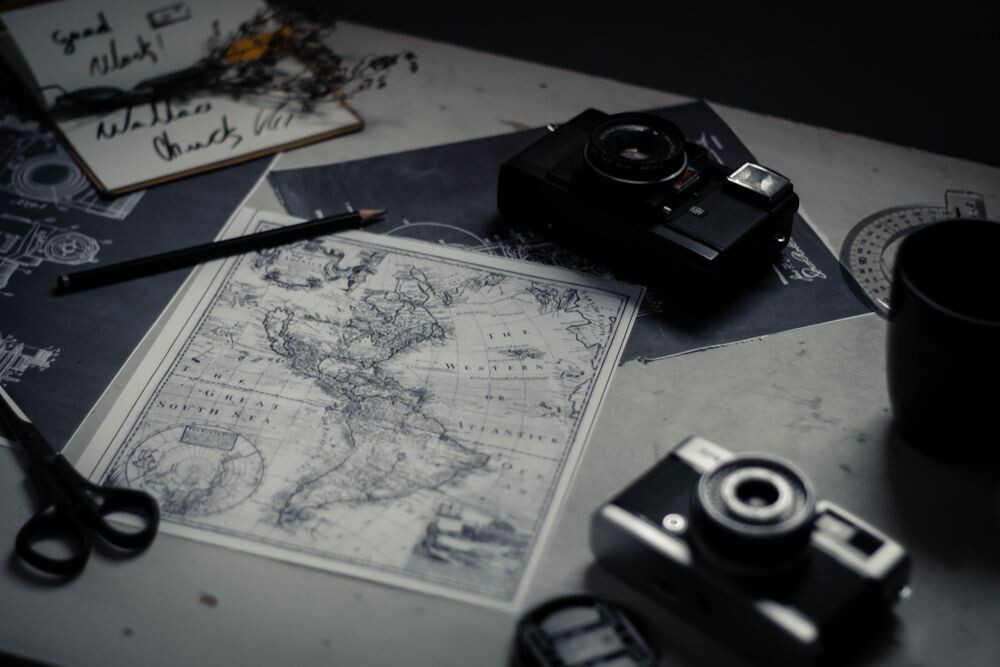
Apps and websites can show low fares, room deals, and route ideas in a flash. They make the planning screen look busy, but they can also save a lot of cash.
Still, the cheapest choice is not always the best one. Look at times, fees, and location before you book so the deal stays a deal. Set alerts, compare a few options, and check the fine print for extra costs.
Some travelers now use map tools to find cheaper neighborhoods that still feel safe and fun. You can make the search personal by saving places that match your own pace, like quiet streets or busy food corners.
Good tools help most when you use them with care. A little checking now can prevent a bigger bill later.
11. Pack snacks and a refill bottle
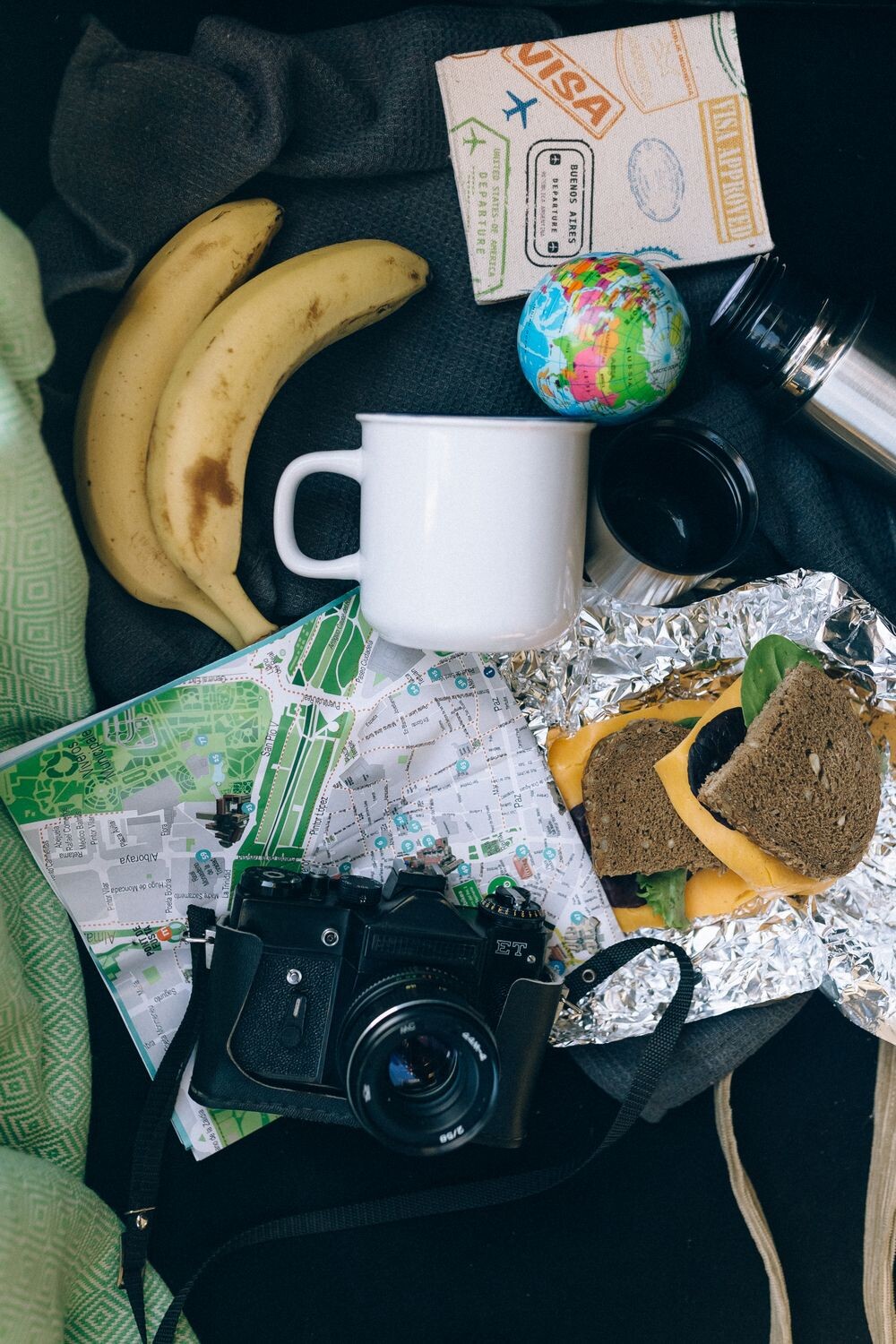
A bag with a few snacks can save a day that might otherwise turn costly. It also helps when you are stuck on a bus, in a line, or far from a shop.
A refill bottle is just as useful, and it often looks neat and simple in your bag. Water can be pricey in busy places, so refilling when safe can cut costs fast. Choose light snacks like nuts, crackers, or fruit bars that travel well.
This habit is popular with travelers who want less waste and fewer impulse buys. You can personalize it by packing flavors you love, such as salty, sweet, or crunchy treats.
It is a small comfort, but it can change how the whole day feels. You stay ready, save money, and avoid getting grumpy when hunger hits.
12. Learn a few local words and simple customs
A friendly hello in the local language can open doors and smiles. Even a tiny effort can make the world around you feel warmer and less distant.
Knowing basic words can also help you save money and avoid mistakes. You may find better prices, easier rides, and clearer directions when people see that you care. Practice words for thank you, please, water, bathroom, and how much.
Many travelers now keep language notes on their phones for quick use. You can make the trip more personal by learning words tied to food, family, or places you want to visit.
Customs matter too, since small habits can show respect. A little effort here often brings better help and a more pleasant stay.
13. Choose slow days on purpose
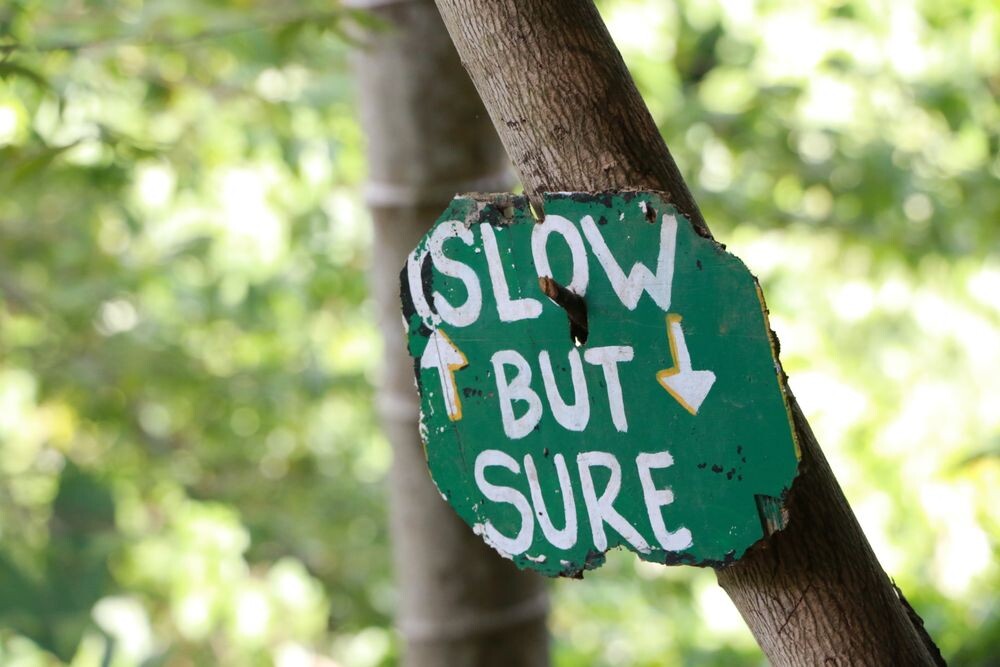
A packed plan can make a cheap trip feel tiring and rushed. Slow days, on the other hand, can look gentle and bright, with long meals, quiet walks, and time to sit.
Moving less can lower costs because you spend less on rides, tickets, and snacks on the go. It also gives you time to notice small joys like street music, shady trees, or a pretty corner café. Pick one area to linger in, and let the day unfold at an easy pace.
This slow-travel trend is growing because it feels calmer and often costs less. You can personalize it by building a day around one favorite thing, like reading, photos, or people-watching.
Less rushing can make a budget trip feel richer. Sometimes the best part of travel is simply having time to look around.
14. Spend on what matters most to you
Every traveler has a different dream. For some, it is a big view from a hill; for others, it is a special meal, a boat ride, or a quiet room.
When you know your top joy, you can save money everywhere else and still feel happy. This is one of the smartest budget habits because it keeps the trip from feeling flat or strict. Make a short list of must-have moments, then trim the rest with confidence.
Personal trips feel better when the money follows your values. That might mean splurging on a local guide, a museum ticket, or a sunset tour while keeping the rest simple.
This way of traveling is very current because more people want meaning, not just cheap prices. A trip feels richer when every dollar supports the memories you care about most.