Cheap trips can feel richer than fancy ones. The trick is knowing where the real value hides.
1. Pick a destination that fits your wallet first
Some places look shiny in photos but drain your cash fast. A smart budget trip starts with a spot where food, beds, and rides stay gentle on your wallet.
Think about street scenes full of small cafes, busy markets, and simple guesthouses with bright signs. These places often feel more alive, and they can give you more local charm for less money. You can also make the trip feel personal by choosing a city with beaches, old towns, or mountain views that match your style.
2. Travel when crowds are thin
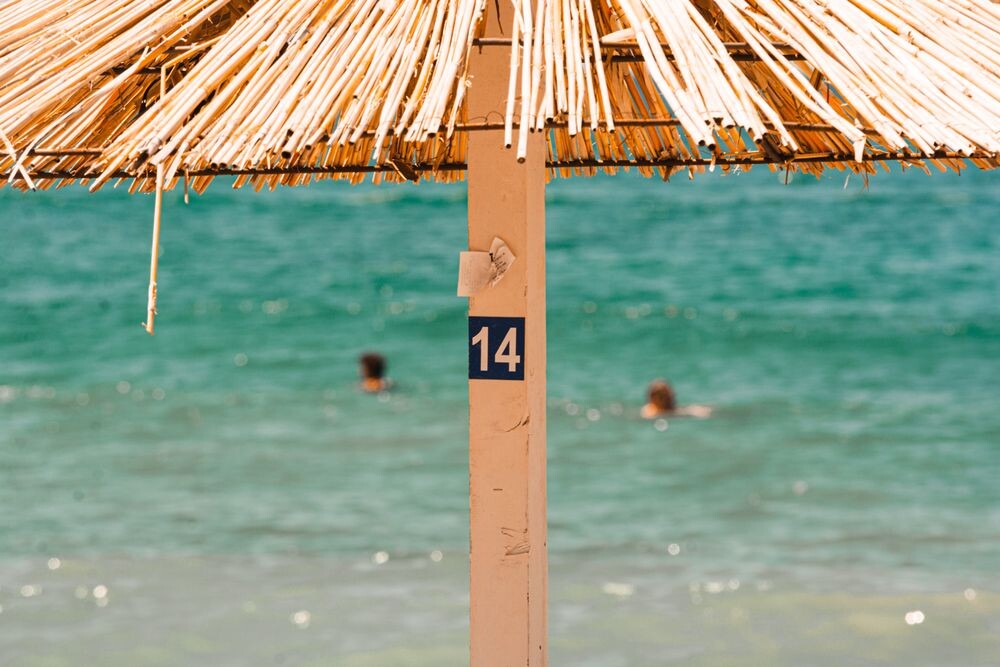
Timing can change the whole price of a trip. A calm season often means lower room rates, cheaper flights, and shorter lines.
The streets may look softer and less packed, which makes photos nicer too. You can save money and still enjoy a place in a more relaxed way. If you like a certain kind of weather or festival, plan around that and keep the rest flexible.
Many budget travelers now watch fare alerts and hotel calendars before they book. That habit helps them spot sweet deals fast. It also gives them room to choose dates that feel right for their own pace and comfort.
3. Pack light and pack smart
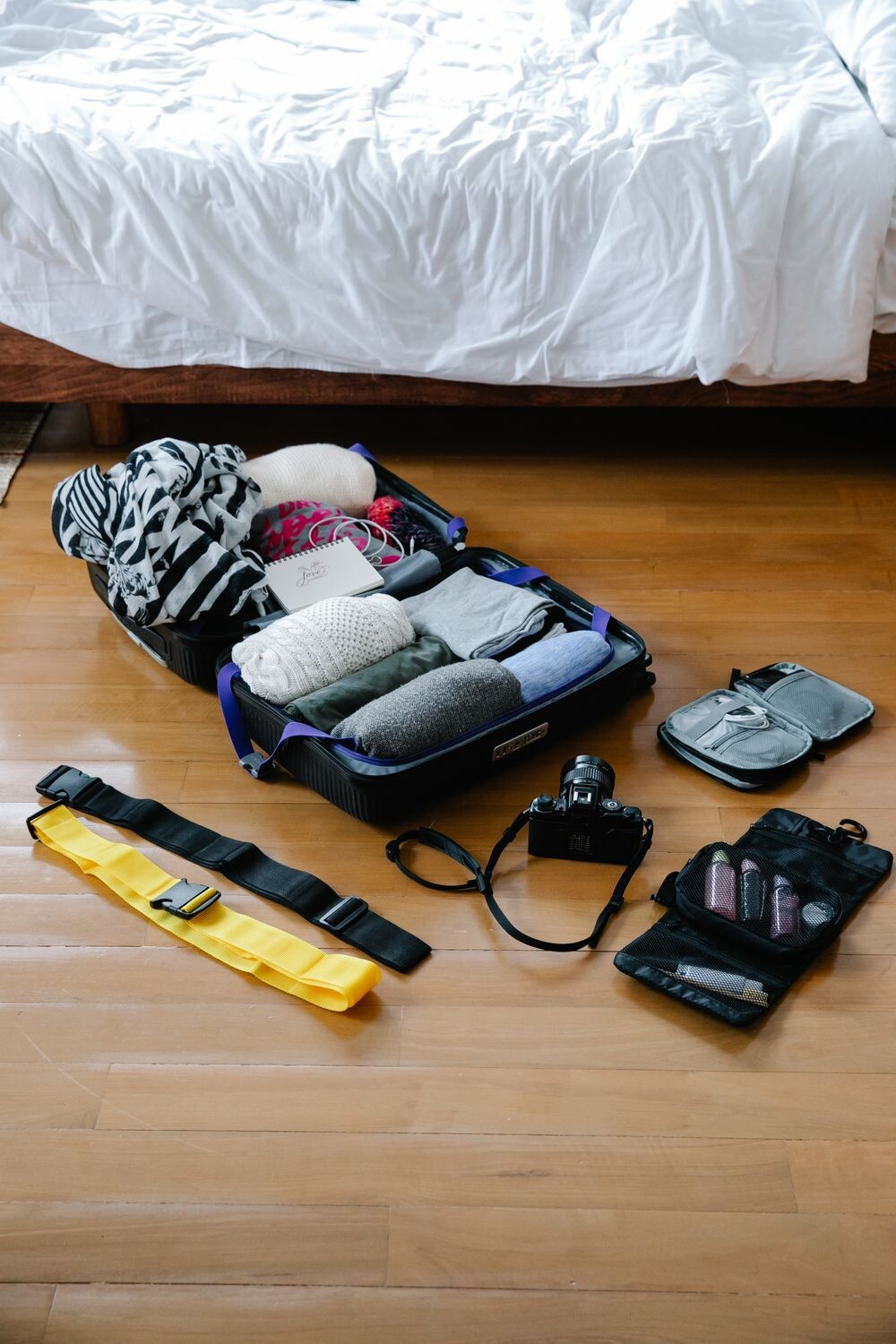
A small bag can save real money and real stress. It is easier to move around when you do not drag a heavy suitcase over bumpy streets or crowded stairs.
Picture one neat backpack with clothes that mix and match. That simple look feels tidy, and it makes your trip feel lighter in more ways than one. Bring items that serve more than one job, like a scarf that works for warmth, shade, or style.
Less luggage can also help you skip baggage fees. You can spend that money on a nice meal or a fun local outing instead. Many travelers now use packing cubes and tiny refill bottles to keep things organized without adding bulk.
4. Use local transport like a pro
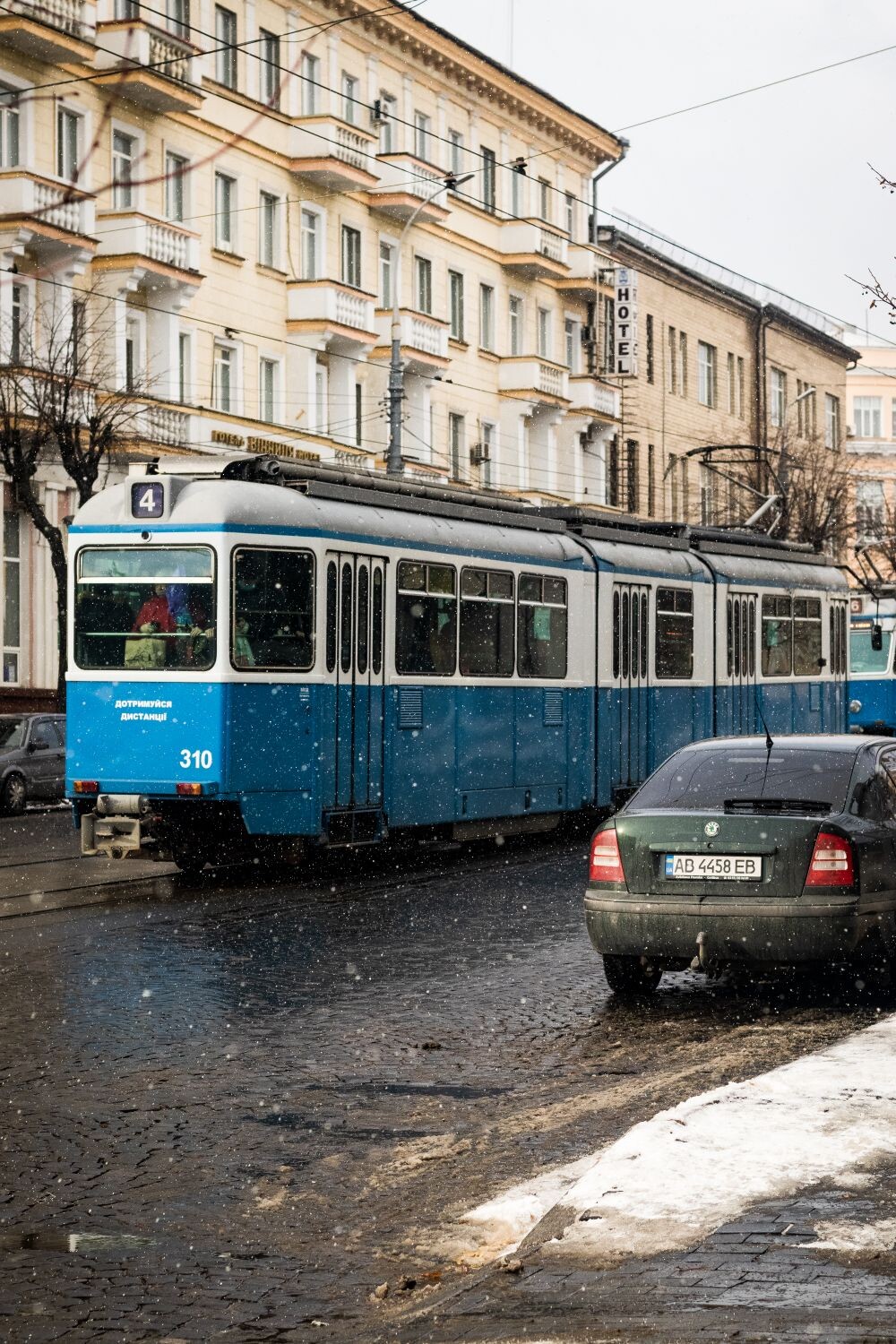
Buses, trains, and shared vans can cost far less than private rides. They also give you a better look at daily life, from morning markets to school kids on the way home.
The seats may be simple, but the ride often feels more real and memorable. You can hear local voices, see street art, and notice small details that big tour cars miss. Try learning the main route names before you go, so you can move with more confidence.
5. Eat where local people eat
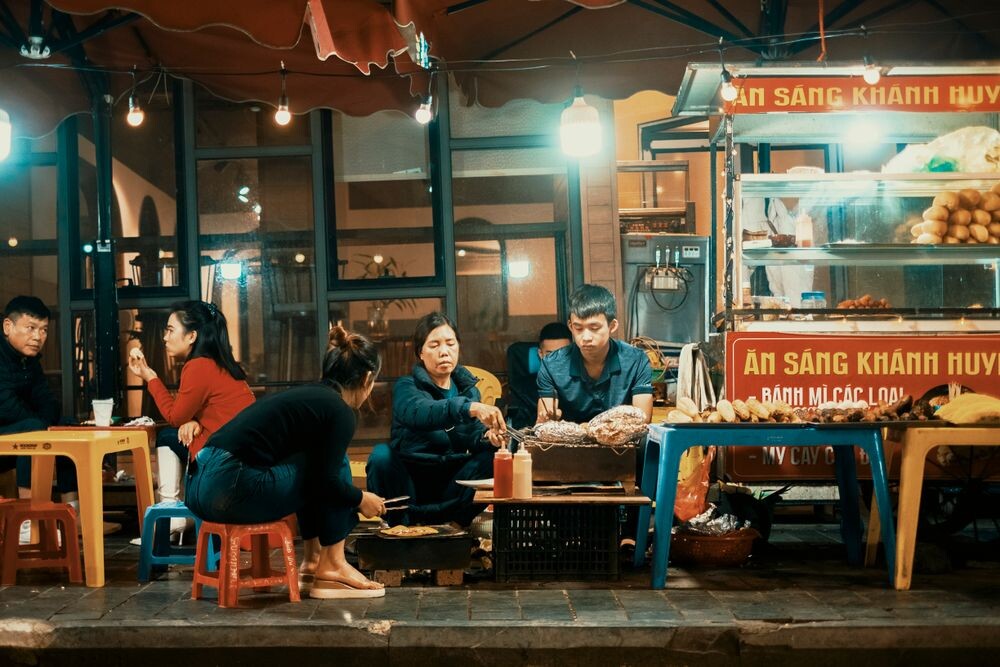
Small food stalls and plain neighborhood cafes often serve the best value. The plates may look humble, but the smell can be amazing and the flavors can stay with you long after the meal.
Look for busy spots with short menus and a line of local customers. That usually means the food is fresh, trusted, and fairly priced. You can make meals feel more personal by trying one local dish each day and asking what people love most about it.
Street food is still a big trend for budget travelers because it saves money and time. It also makes it easy to sample many tastes without spending too much. Just keep an eye on clean prep areas and choose places with a fast food turnover.
6. Stay in simple places with character
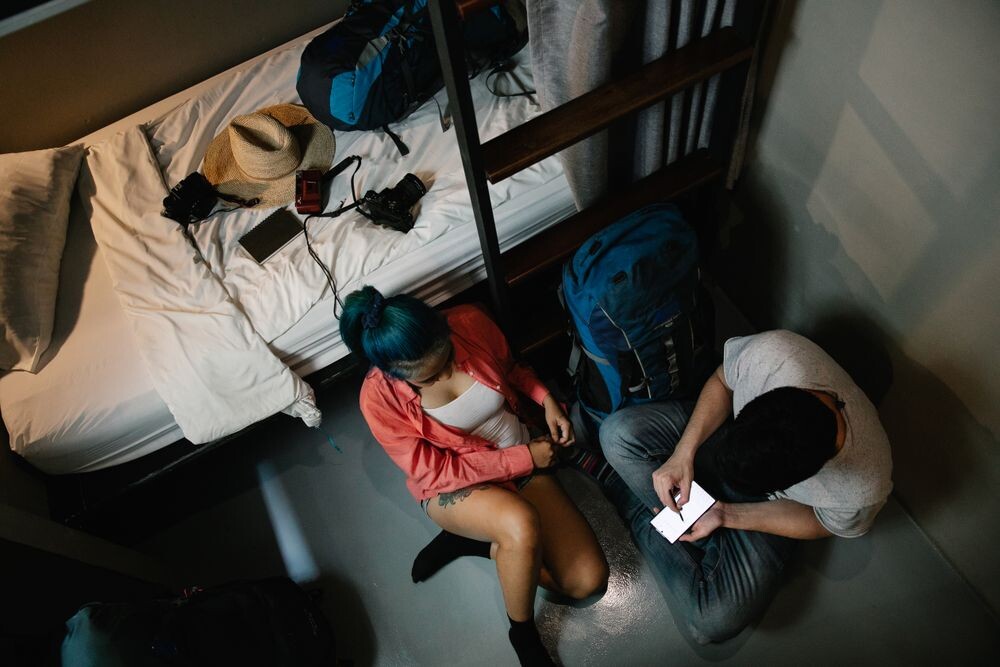
A budget room does not have to feel dull. Many guesthouses, hostels, and small inns have painted walls, sunny courtyards, or shared kitchens that give the stay a warm, local feel.
The best part is the mix of price and personality. You may get friendly staff, useful travel tips, and a location close to the action. If you want more privacy, look for small private rooms inside hostels or family-run stays with quiet corners.
7. Book with care, not hurry
Fast booking can lead to surprise fees. A careful look at the full price often saves more than a flashy discount ever will.
Check the final total, not just the first number you see. Taxes, cleaning fees, and service charges can turn a cheap deal into a pricey one. It helps to compare a few sites and read recent guest notes about noise, location, and bed comfort.
Many travelers now use flexible search tools to compare stays across different dates. That makes it easier to spot a real deal instead of a trick. You can also save money by booking places with free cancel options when plans may change.
8. Choose free fun and low-cost sights
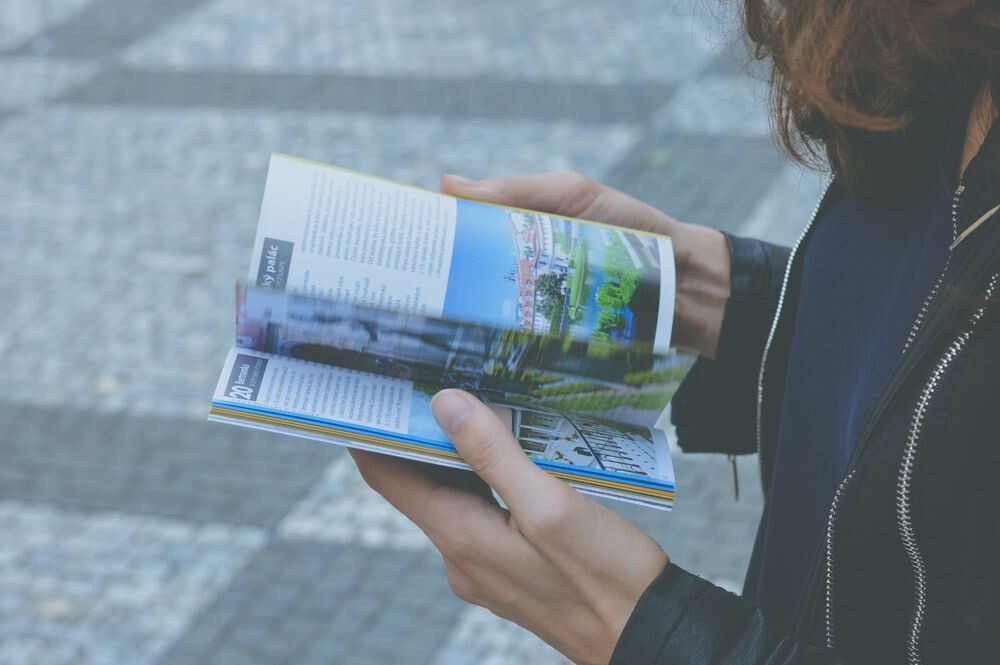
Not every good memory needs a ticket. Parks, beaches, old streets, public gardens, and local festivals can give you bright colors and lively scenes for almost no cost.
These places often show the heart of a city better than a pricey attraction. You might see musicians, families, street artists, or sunset views that feel special and real. Make a list of one or two free stops each day so your trip stays full without getting expensive.
9. Learn a few local words
A simple greeting can open doors. People often respond with warmer smiles when you try to speak their language, even if your words are not perfect.
This small effort can make shopping, ordering food, and asking for directions easier. It also helps you feel more connected to the place instead of feeling like a stranger passing through. Write down a few useful phrases before you go and keep them on your phone for quick use.
10. Watch your small daily costs
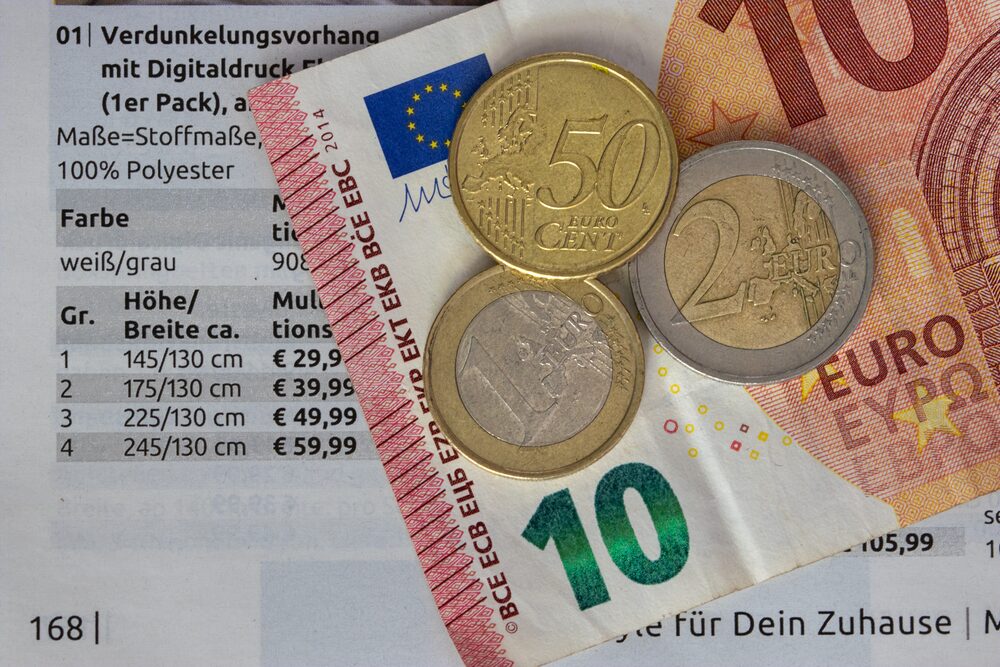
Little purchases can sneak up on you fast. A drink here, a snack there, and a few extra taxi rides can eat a big part of your travel money.
Think of your budget like a backpack with a hole in it. If you do not notice the tiny leaks, the whole plan gets lighter in the wrong way. Keep track of what you spend each day so you can spot patterns and make simple changes.
Many travelers now use budget apps or phone notes to stay aware. That makes it easier to see where money goes and where it can stay. You do not need to be strict all the time, but knowing your habits gives you more freedom later.
11. Travel with a flexible plan
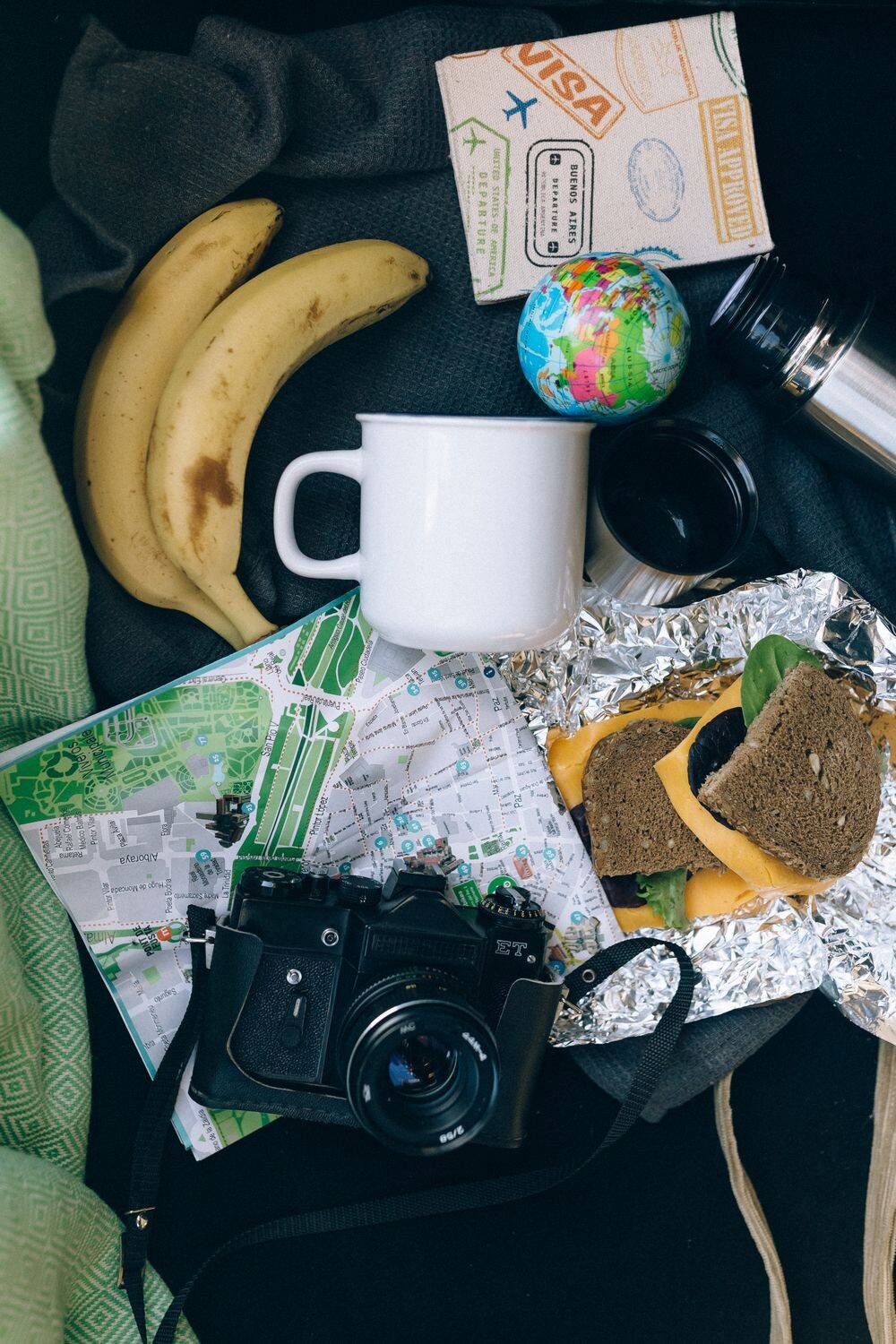
A loose plan can save money and stress at the same time. When you leave room for changes, you can grab better deals and avoid paying for things you do not need.
The trip may feel more open and playful, like a map with a few blank spaces. That space lets you stay longer in a place you love or skip a stop that feels too costly. Build your days around a few must-see spots, then leave the rest open for local tips and mood changes.
Flexibility is especially useful now, since travel prices can shift quickly. Budget travelers who stay ready often find better rates on transport and stays. A little freedom can make the whole journey feel more personal and less rushed.
12. Use rewards, passes, and travel deals
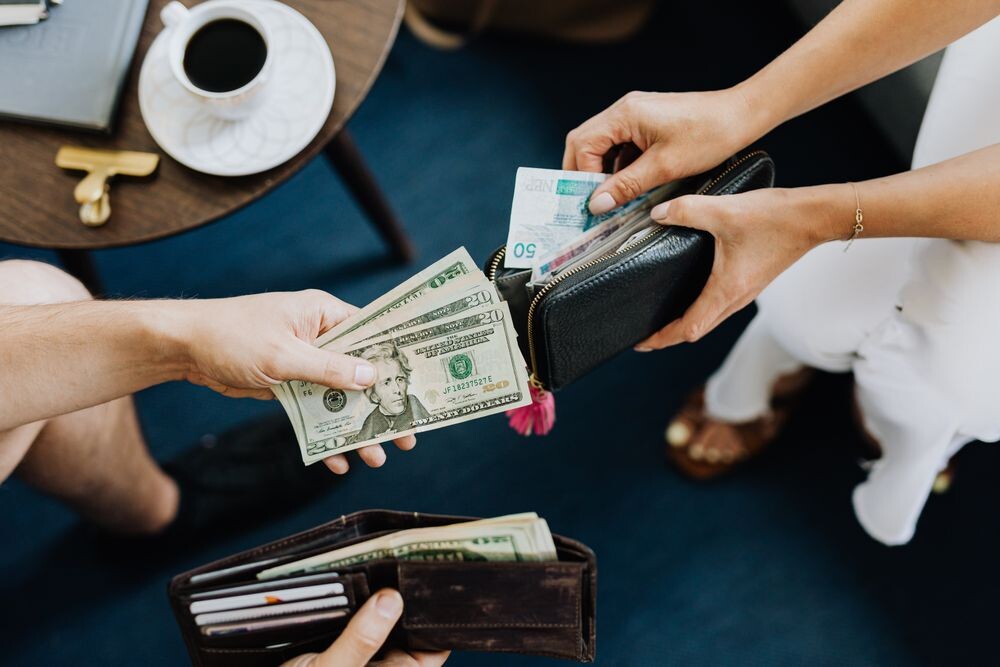
Some travel tools can cut costs in a big way. Reward points, city passes, student discounts, and local transport cards often give you more for less.
These tools work best when you match them to your own trip style. If you love museums, a pass may help. If you plan to move around a lot, a transit card could be the better pick. Look closely at the rules so you do not pay for extras you will never use.
Deal hunting is a strong trend among budget travelers right now. People compare apps, sign up for alerts, and use loyalty programs more than before. A little research can turn an ordinary trip into a much smarter one.
13. Protect your money and your peace of mind
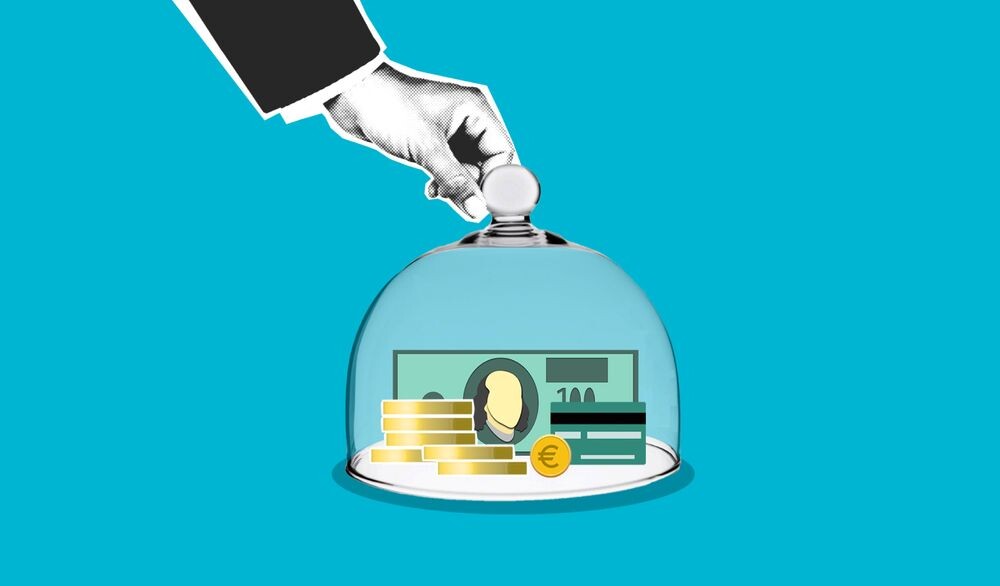
Saving money is great, but losing it is not. Keep your cash, cards, and phone in safe spots so a good trip does not turn into a hard lesson.
A slim pouch, a locked bag, or a hidden pocket can help a lot. You can also split your money so one lost wallet does not ruin everything. Choose safe but simple habits, like checking your bag before you leave a cafe or bus stop.
This kind of care does not make a trip less fun. It gives you more confidence to enjoy bright streets, busy markets, and long walks without worry. A calm traveler often makes better choices and spends less on emergency fixes.
14. Make the trip fit your own style
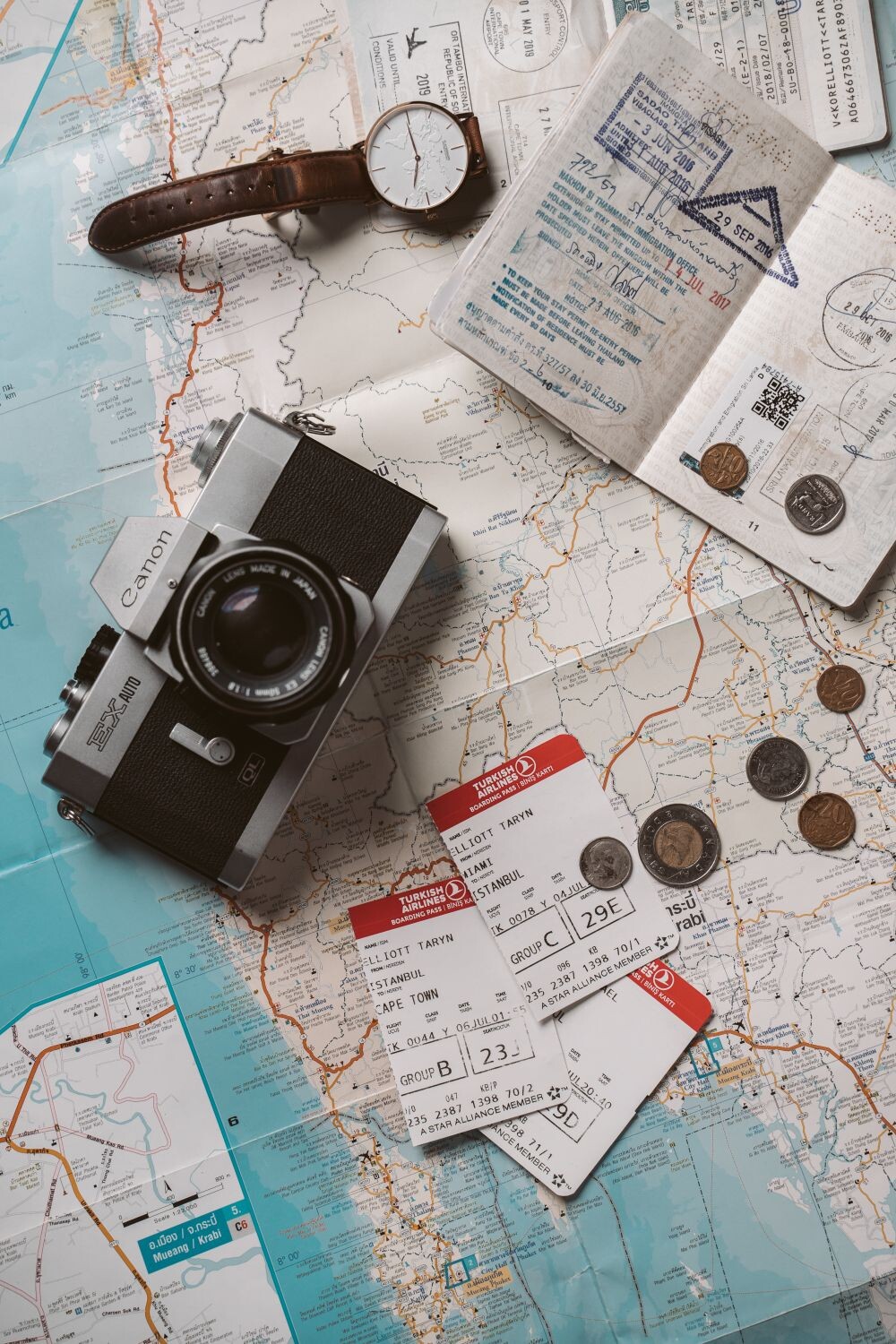
The best budget trip is not copied from someone else. It feels like you, with your favorite foods, your favorite views, and your own pace.
Maybe you love quiet mornings, colorful markets, or long rides with a window seat. Maybe you want more photos, more local snacks, or more time in one neighborhood. When you shape the trip around your own likes, the money you spend feels worth more.
Personal touches can be simple and cheap. Pick one special meal, one scenic walk, or one small souvenir that means something to you. That way, the trip stays memorable without turning into a spending race.