The right comfort habits can make a fresh idea feel safer and more fun. Small choices often change the whole mood of a creative trip.
Bright notes, soft shoes, and a calm mind can turn a rough start into a smooth ride. A few smart tweaks can help any person stay ready for new thoughts.
1. Start With a Cozy Setup

A cozy setup gives your mind a soft place to land. A warm blanket, a tidy desk, or a quiet corner can make fresh thinking feel less wild.
Try a chair with good support, a lamp with gentle light, and a drink close by. This kind of setup can boost focus, lower stress, and help your own style shine through. It also does not need to cost much if you use what you already have and add one small item at a time.
2. Keep Your Tools Close

When pens, paper, and devices stay near, your ideas can move faster. A small tray or pouch can keep the scene neat and easy on the eyes.
This simple habit saves time and cuts down on frustration. You can personalize it with bright colors, labels, or a favorite notebook that feels special. Many people like clean desk setups now, and that trend can be very low cost if you shop your own home first.
Choose tools that match the way you think best. If you like sketching, keep pencils ready; if you like lists, keep sticky notes nearby; if you like voice memos, keep your phone charged.
3. Use Soft Light

Harsh light can make a room feel stiff and tired. Soft light gives the space a warm glow that feels gentle on the eyes.
Table lamps, fairy lights, or daylight from a window can all help. This can make long thinking sessions easier and can also make your space look calm and unique. A smart LED lamp may cost more at first, but it can save power and last a long time.
Many creative spaces now use warm bulbs and simple light strips for a modern look. You can place a lamp behind your screen or beside your chair to reduce glare and keep the mood smooth.
4. Dress for Easy Movement

Clothes can change how free your body feels. Soft shirts, loose pants, or a light sweater can help you stay relaxed while new thoughts grow.
Pick items that do not scratch, pinch, or pull. This can help you sit, stand, stretch, and pace with less fuss. You can also show your style with bold colors, fun socks, or a favorite hat that makes the session feel like yours.
5. Take Tiny Breaks
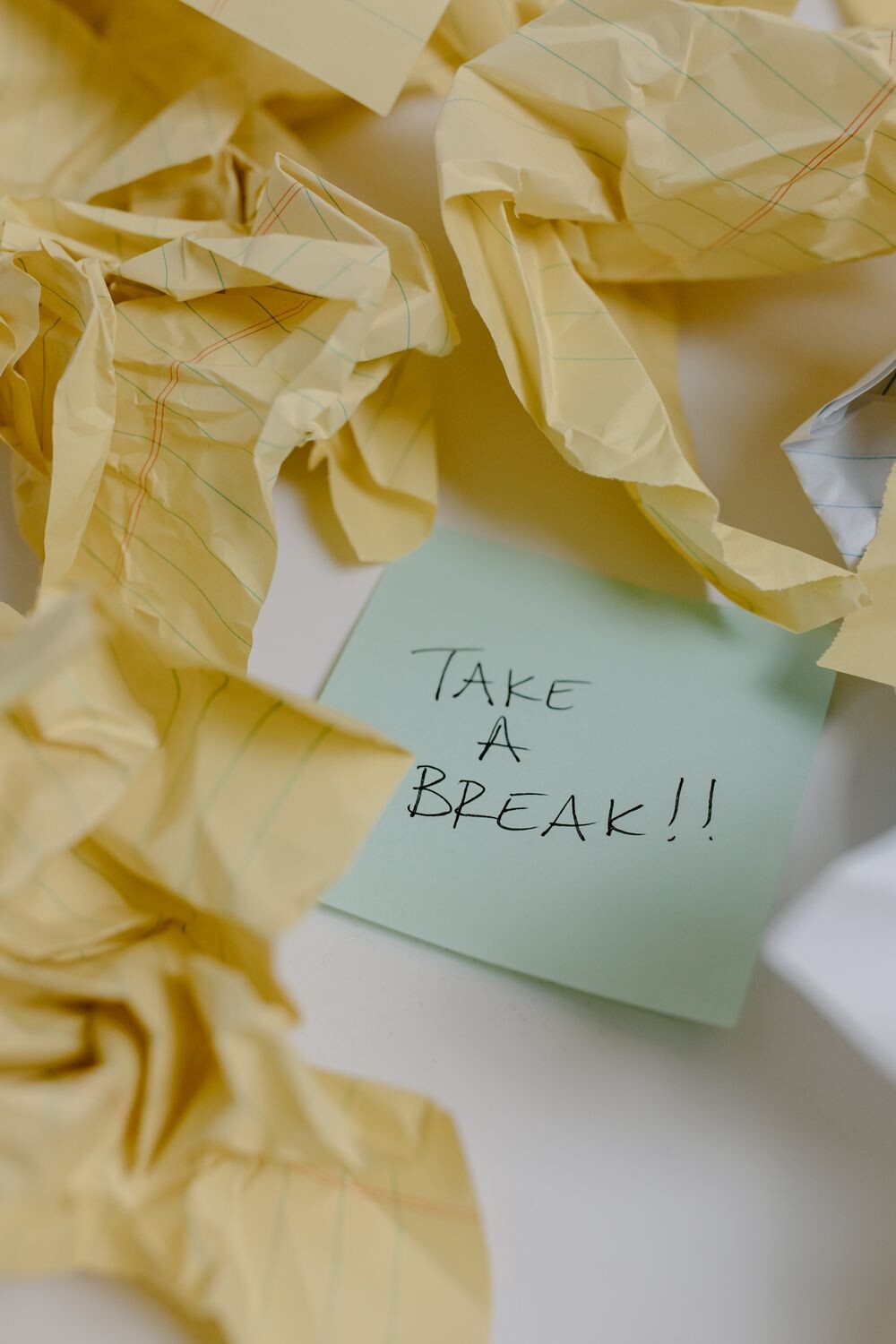
Short breaks give your brain room to breathe. A quick walk, a sip of water, or a look out the window can refresh your focus.
These pauses can stop mental clutter from piling up. They also help your body stay loose, which is great for comfort and energy. If you work long hours, a timer app can be a cheap and useful guide.
Some people now use stretch reminders, breathing apps, or simple phone alarms to keep breaks on track. You can make the break feel special by stepping outside, changing rooms, or playing one calm song.
6. Build a Mood Board
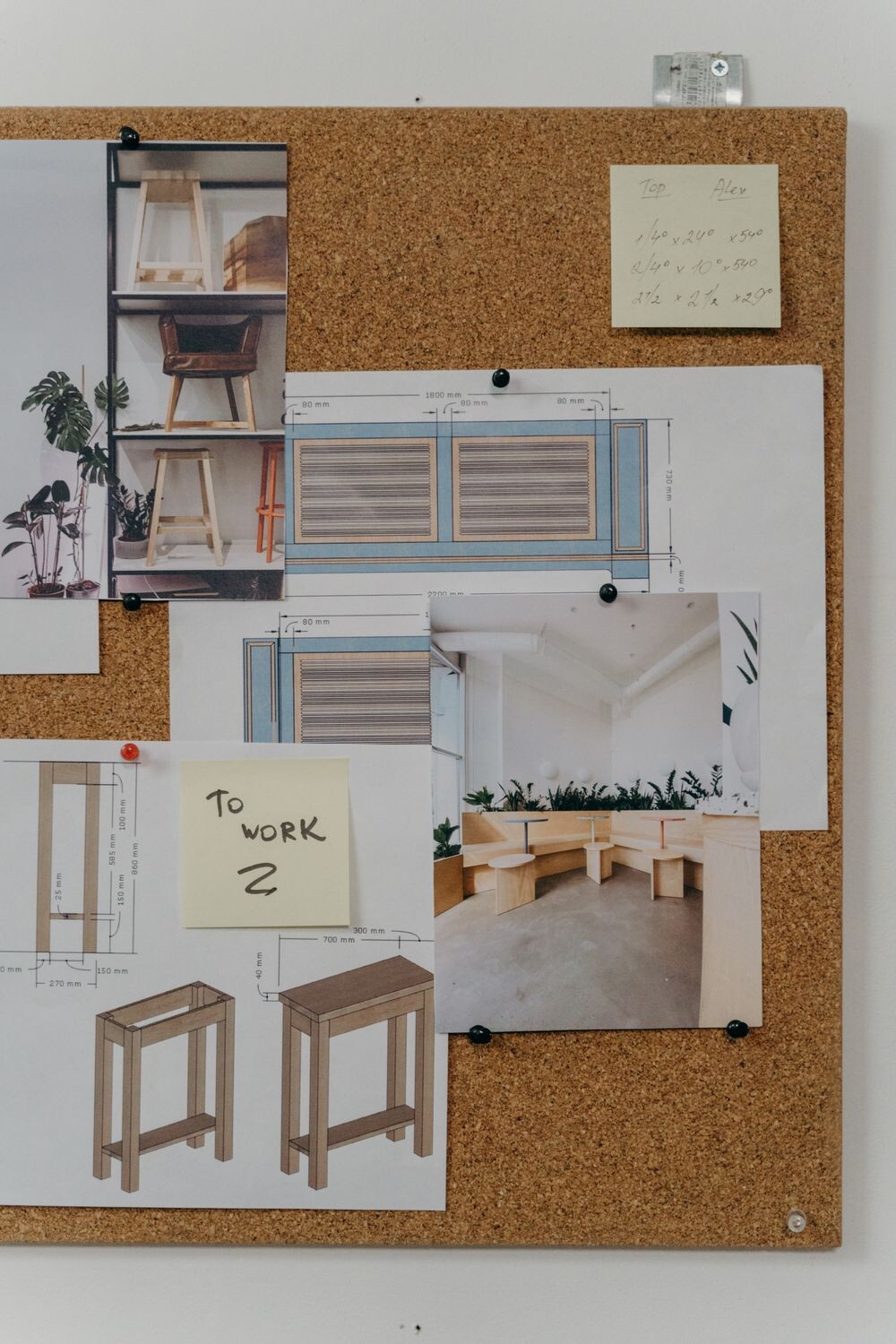
A mood board can make ideas feel real and easy to see. Photos, colors, words, and textures can fill a wall or screen with a story.
This visual guide can spark new paths and keep your mind from feeling lost. It also adds a personal touch that makes the space feel more like home. You can make one with free printouts, magazine cuts, or digital boards if you want to keep costs low.
Many people use digital boards now because they are quick to update and easy to share. If you prefer paper, pin your board where you can see it often so the images keep working for you.
7. Keep Snacks and Water Ready

A hungry body has a hard time staying calm. A small snack and a bottle of water can keep your mood steady and your thoughts clear.
Fresh fruit, nuts, crackers, or yogurt can be simple and filling. This habit helps you avoid long food runs that break your flow. It can also be low cost if you buy basic snacks in bulk and keep them in easy reach.
8. Make the Space Yours

Personal items can turn a plain spot into a place that feels safe. A photo, a plant, or a favorite mug can add warmth and charm.
These little details can lift your mood and make it easier to stay with your thoughts. They also give your space a look that feels different from everyone else’s. A few low-cost items from a thrift shop or a family shelf can do a lot of work.
Current home style trends often focus on simple, natural pieces and calm colors. You can follow that style or mix in bright art if that feels more like you.
9. Use Sound That Helps

Sound can shape how ideas feel in the room. Soft music, white noise, or quiet nature sounds can help block out noise that pulls you away.
Try different sound choices and notice what keeps you calm. Some people like rain sounds, while others like lo-fi beats or total silence. Free playlists and basic headphones can keep this tip easy on the wallet.
If you want a more unique feel, make a sound mix for different moods. One mix can help with sketching, another with planning, and another with deep thinking.
10. Stretch Before You Settle In

Stiff muscles can make even good ideas feel heavy. A few easy stretches can wake up your body and make sitting feel better.
Roll your shoulders, reach your arms, and stand tall for a moment. This can improve comfort, boost blood flow, and help you feel more awake. You do not need fancy gear, which keeps the cost very low.
Many people now add short movement breaks to their work routine because it feels simple and smart. You can make it personal by choosing stretches that match your own tight spots or favorite warm-up moves.
11. Set a Gentle Time Plan

A loose plan can stop an idea session from feeling messy. Clear start and stop times help your brain know when to work and when to rest.
Use a notebook, a calendar app, or a simple kitchen timer. This can lower pressure and make the process feel more in control. A free app is often enough, so you do not need to spend much to stay organized.
Some creators like time blocks because they fit busy days and still leave room for play. You can keep the plan flexible so it works with your mood and energy.
12. Choose a Good Seat Height

A bad chair can make idea time feel like a chore. The right seat height helps your feet rest well and keeps your back from getting tired.
Check that your knees and elbows feel natural when you sit. This small change can improve comfort a lot and help you stay focused longer. If a new chair is too pricey, a cushion or footrest can be a cheaper fix.
Home offices now often use adjustable chairs and simple risers because they are practical. You can test different setups until your body says yes.
13. Keep a Fresh View Nearby

A change of view can wake up sleepy thoughts. A window, a plant, or a wall with art can give your eyes a nice place to rest.
This helps reduce boredom and can make idea time feel more alive. It also adds a bit of beauty to the room, which can make the whole process feel special. A plant from a local store or a print from your own camera can be a low-cost way to do this.
Many people are using simple green touches and natural textures right now because they feel calm and modern. You can switch the view now and then so the space keeps feeling fresh.
14. Keep a Backup Plan
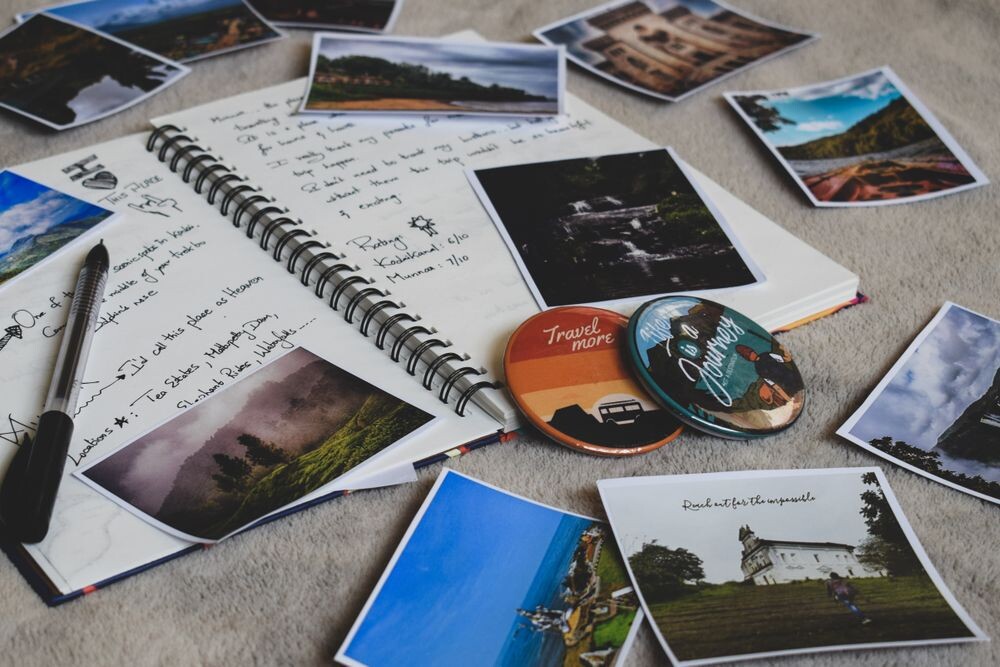
Things do not always go the way you want, and that is okay. A backup plan can save the day when tech fails, noise grows, or energy drops.
Keep a paper notebook, a spare charger, or a second pen close by. This can reduce worry and keep your ideas moving with less stress. It also helps if you want to avoid extra spending later when a small problem turns into a big one.
15. Make Room for Play

Play can make idea time feel lighter and more fun. Doodles, color swatches, and silly sketches can help your mind loosen up.
This kind of play can lead to fresh paths that strict thinking might miss. It also makes your process feel more unique and more like your own voice. Crayons, markers, or free drawing apps can keep the cost small while the fun stays big.
Creative trends often mix serious planning with playful testing, and that balance works well. You can give yourself a little game, like making three rough versions before picking a favorite.
16. Respect Your Energy

Your body sends clear signs when it needs care. Heavy eyes, a sore neck, or a foggy head may mean it is time to slow down.
Listen to those signs and adjust your pace without guilt. This can protect comfort, keep your ideas stronger, and help you avoid burnout. A gentle routine is often cheaper than pushing too hard and needing a long recovery later.
Some people now track energy with simple notes instead of strict rules. You can mark the times when you feel best and plan your idea work around those windows.
17. End With a Soft Landing

Closing a session with care helps the next one start better. A short note, a tidy desk, or a calm breath can make the stop feel smooth.
This habit can keep good ideas from slipping away and can also help your space stay neat. It is a small act that brings comfort and makes your process feel more polished. You can end with a favorite song, a quick stretch, or a saved page so tomorrow feels easier.
People often like simple wrap-up routines because they feel steady and kind. A soft landing can be as personal as your own handwriting, your own music, or your own way of saying, “I did enough for today.”