Winter can make outdoor photos look clean and calm, but it can also make camera work a bit harder. A few simple habits can help you get clear shots, good color, and a more natural feel.
1. Watch the Light in Snow

Snow can make a scene look much brighter than it feels to your eyes. This can help you get soft, clean photos with a lot of open space and a calm look.
Try to shoot when the light is low and gentle, like in the early morning or late afternoon. The snow may show soft blue shadows, warm gold light, or a smooth white field that feels very open.
One useful tip is to check your screen after each shot and make small changes if the snow looks too gray or too bright. This kind of care costs nothing and can make a big difference in how your image looks.
2. Dress for Long Outdoor Time

Cold hands can make it hard to hold a camera steady, and cold feet can make you rush. Warm clothes help you stay out longer, which gives you more time to wait for a good scene.
Layered clothes are a simple and low-cost choice for winter shoots. A hat, gloves, and thick socks can help you work with less stress and keep your focus on the photo.
Many photographers now use thin gloves that still let them press buttons and turn dials. This small change can make winter shooting easier and more comfortable without adding much cost.
3. Use the Snow as a Bright Backdrop
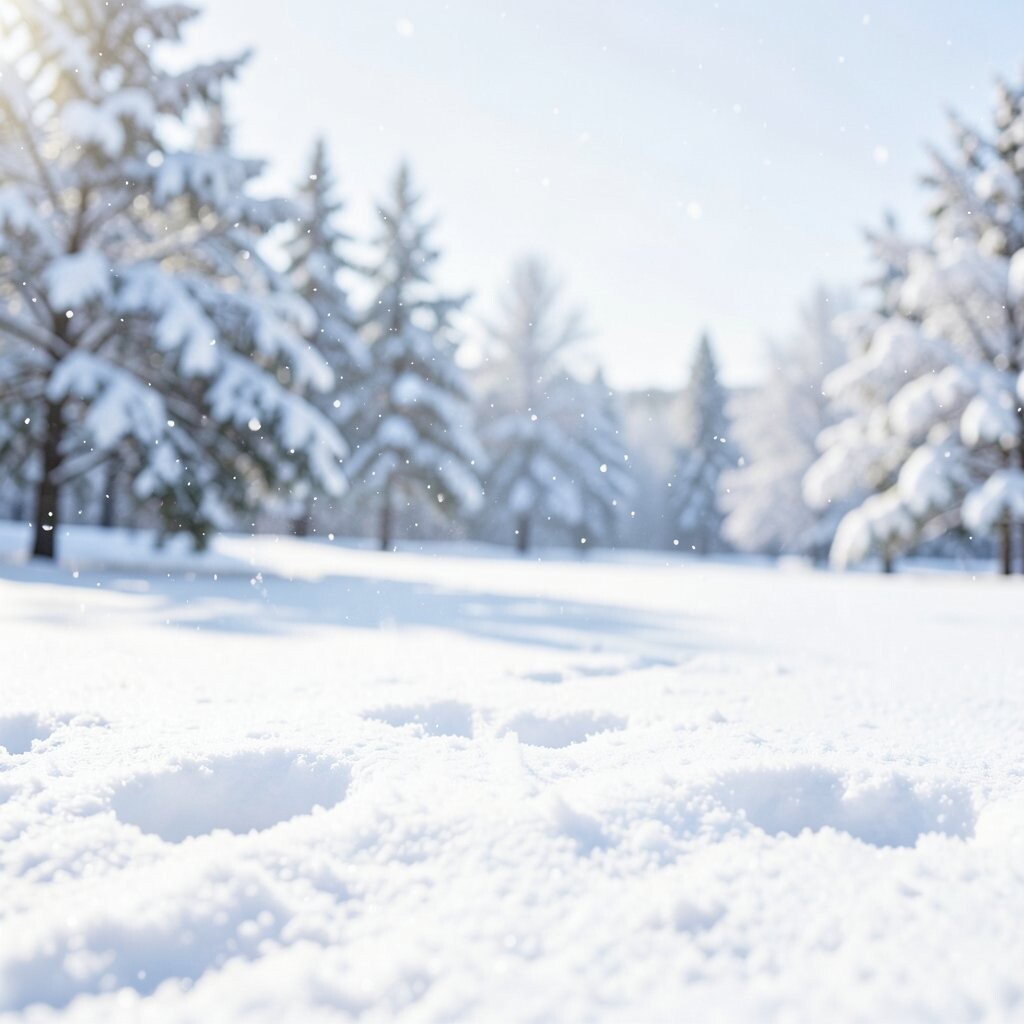
Snow can act like a large white wall behind your subject. This can make people, trees, animals, or buildings stand out in a clean and simple way.
Try placing your subject against a wide snowy area to make the shape easier to see. Dark coats, red hats, and brown tree trunks can look strong against the white ground.
This look is popular because it feels neat and easy to read. It also helps if you want a photo that looks calm instead of busy.
4. Keep an Eye on Your Battery
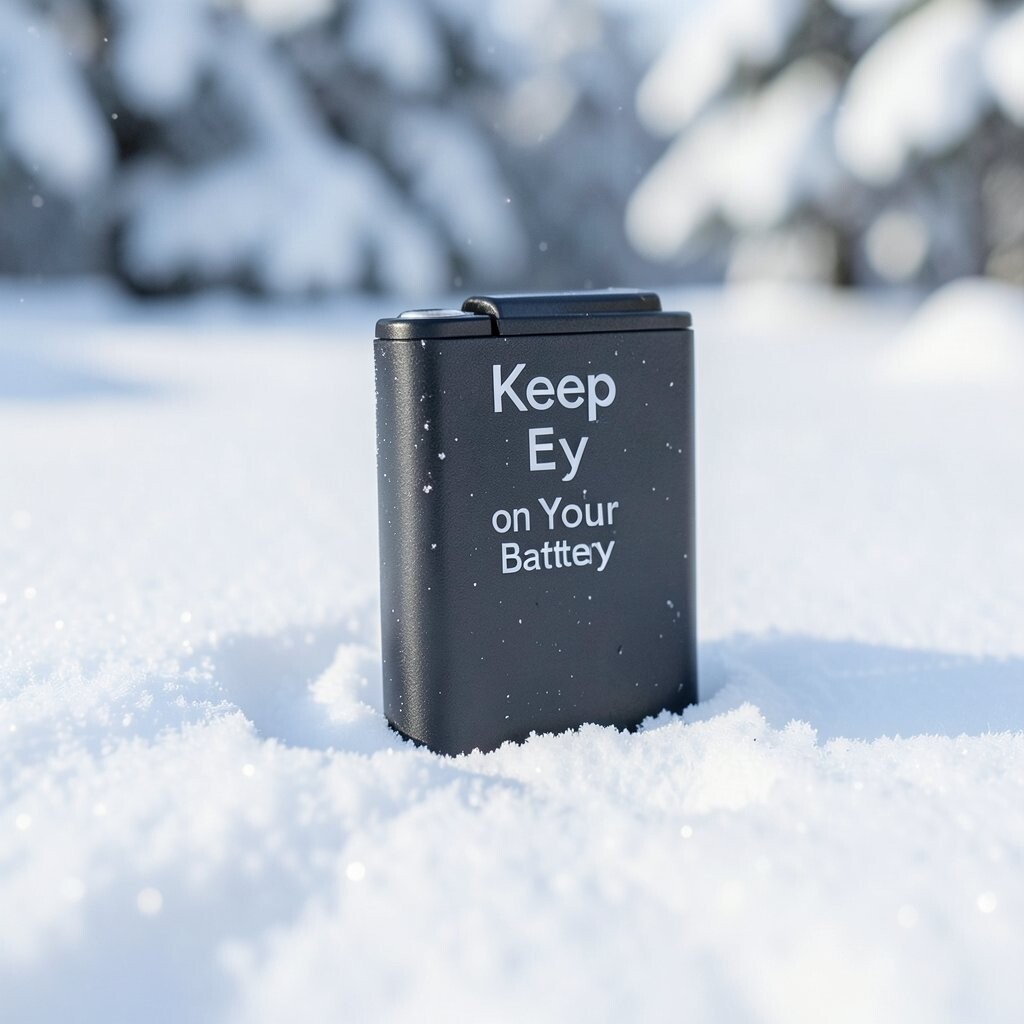
Cold weather can drain battery power faster than you may expect. A battery that seems full can drop fast once you are outside for a while.
Keep a spare battery in a warm pocket so it stays ready to use. This is a simple habit that can save a shoot, and extra batteries are often not very costly.
Some people now carry two or three small batteries instead of one large power pack. That can be a smart choice for winter trips, since it keeps your gear lighter and easier to manage.
5. Try Simple Gloves That Work With Your Camera
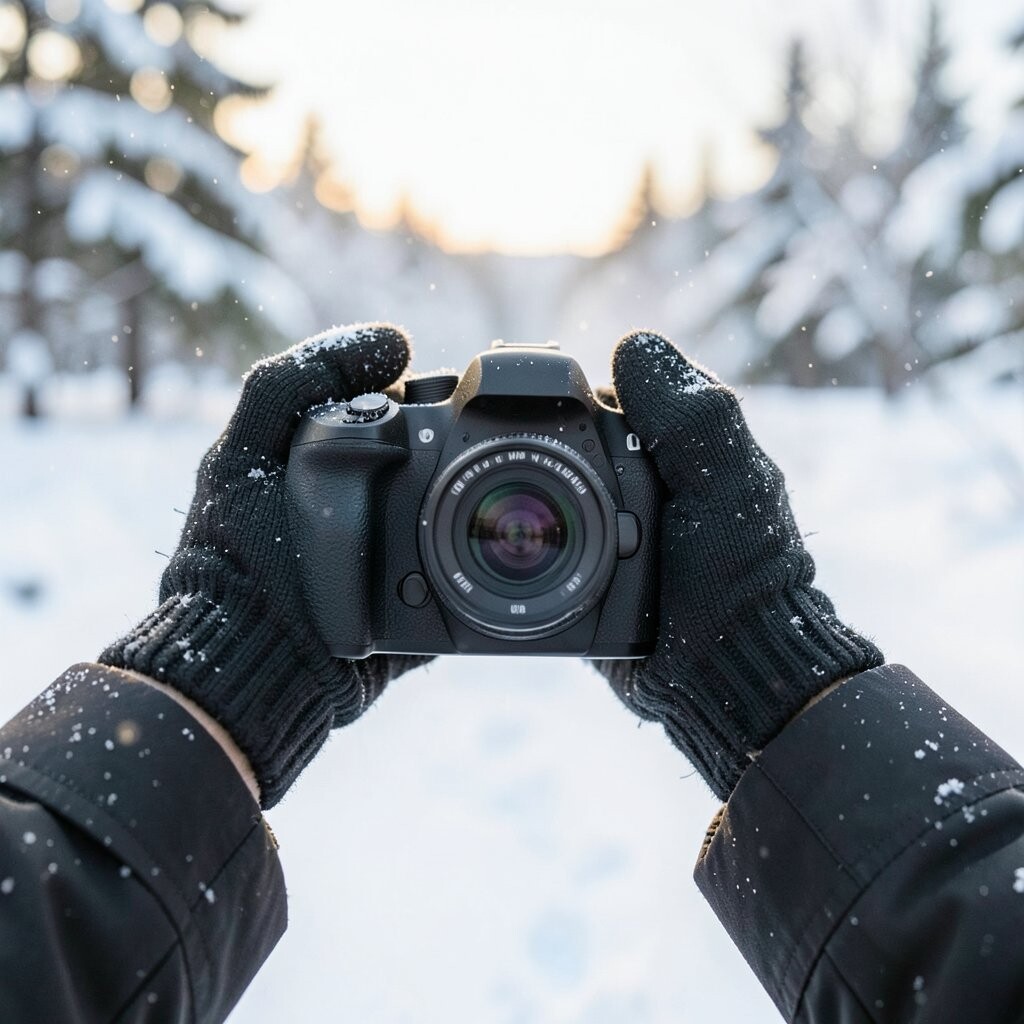
Thick gloves can keep you warm, but they can also make it hard to press the right buttons. Thin camera gloves or gloves with touch tips can help you work faster.
Look for gloves that let you hold your camera firmly without slipping. A good grip can help you avoid shake, which is very useful when the ground is icy or your hands are cold.
These gloves are part of a common winter trend because they mix comfort with control. They can cost a little more than plain gloves, but they may be worth it if you shoot outside a lot.
6. Watch for Simple Shapes in the Scene

Winter scenes often have fewer colors and fewer details, so shapes matter more. Bare trees, fence lines, footprints, and roof edges can all add strong lines to your frame.
Use these shapes to guide the eye through the photo. A path in the snow or a row of trees can make the image feel more clear and more balanced.
This approach also helps you make better photos in places that may seem plain at first. You do not need a fancy location if you can use the shapes that are already there.
7. Protect Your Lens From Fog and Snow
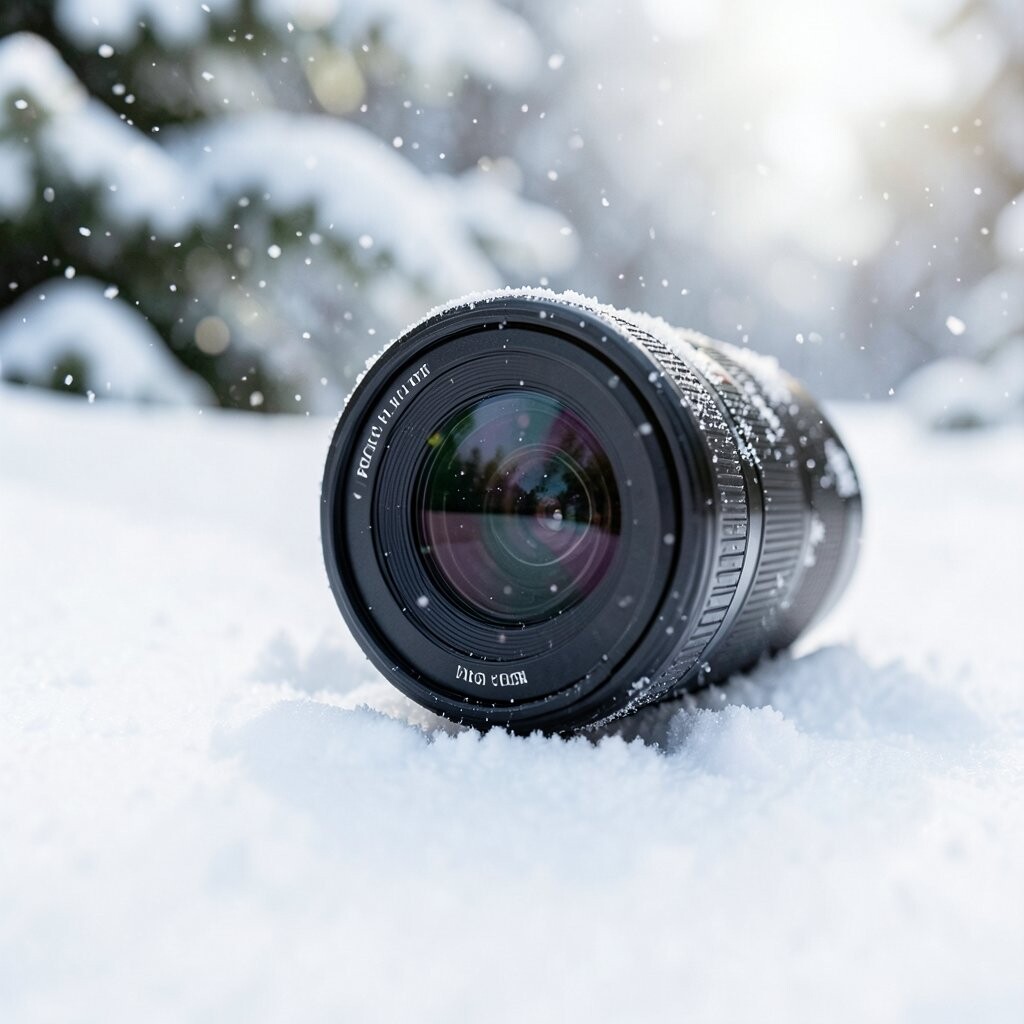
Warm breath, wet flakes, and quick temperature changes can fog up your lens. When that happens, your photo may look soft in the wrong way.
Keep a soft cloth in your bag and wipe the lens gently when needed. A lens hood can also help keep snow off the glass and can cost very little compared with other gear.
Many outdoor shooters now keep small cloths in easy reach, since winter weather can change fast. This simple habit helps you stay ready and can save time on a cold day.
8. Use a Fast Shutter for Snow Play
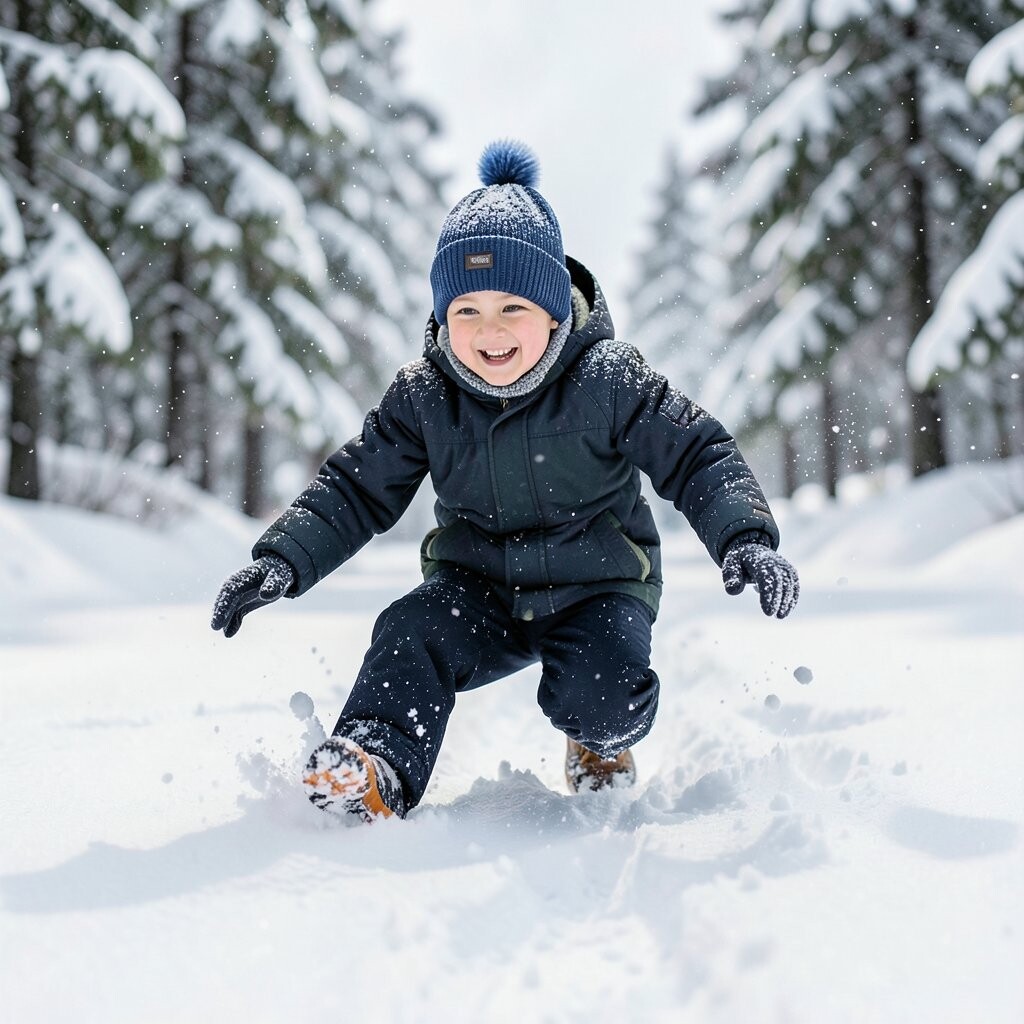
Winter is full of motion, like falling snow, kids running, or dogs jumping through drifts. A fast shutter speed can help you catch these quick moments with more detail.
Try this when you want each snowflake or step to look sharp. It can also help if the light is low and your hands are not fully steady.
This style is useful for action shots and for people who want a lively winter feel. It gives your photo a crisp look that stands out from the softer, still scenes.
9. Make Use of Trees and Dark Lines

In a snowy field, dark tree trunks and branches can break up a flat white scene. They add depth and help the viewer see where one part of the photo ends and another begins.
Try placing a tree on one side of the frame or using branches to lead toward your main subject. This can make your image feel more natural and less empty.
Many winter photos look better with a few strong dark parts in the frame. That contrast can be simple, low-cost, and very easy to find in parks, yards, and roadsides.
10. Set White Balance With Care

Snow can fool your camera and make the whole scene look too blue or too yellow. White balance helps you keep the snow looking clean and true.
You can try a few settings and check which one gives the best result for the light you have. On cloudy days, the snow may look softer, while sun can make it look bright and sharp.
More people now check white balance on the spot instead of fixing it much later. That can save time and help you get a better first shot without extra work.
11. Add One Small Color Spot

Winter scenes can look simple, so one bright color can make a photo feel more alive. A red scarf, a yellow coat, or a blue sled can stand out well against snow.
Use color with care so it does not take over the whole image. One small color spot can help guide the eye and make the photo feel more personal.
This is a popular way to make winter photos look fresh without spending much money. You can often use clothes or items you already have at home.
12. Keep Your Camera Close to Body Heat

When a camera gets too cold too fast, it can be hard to use and may fog later indoors. Keeping it close to your body before and after a shoot can help reduce that problem.
Use a bag or coat pocket when you move between warm and cold spaces. This simple habit can help protect your gear and can save you from small repair costs later on.
Some photographers now use padded sling bags because they are easy to reach and easy to carry. That can be useful for winter walks, when you want quick access without letting the camera get too cold.
13. Plan for Shorter Days and Simple Shots
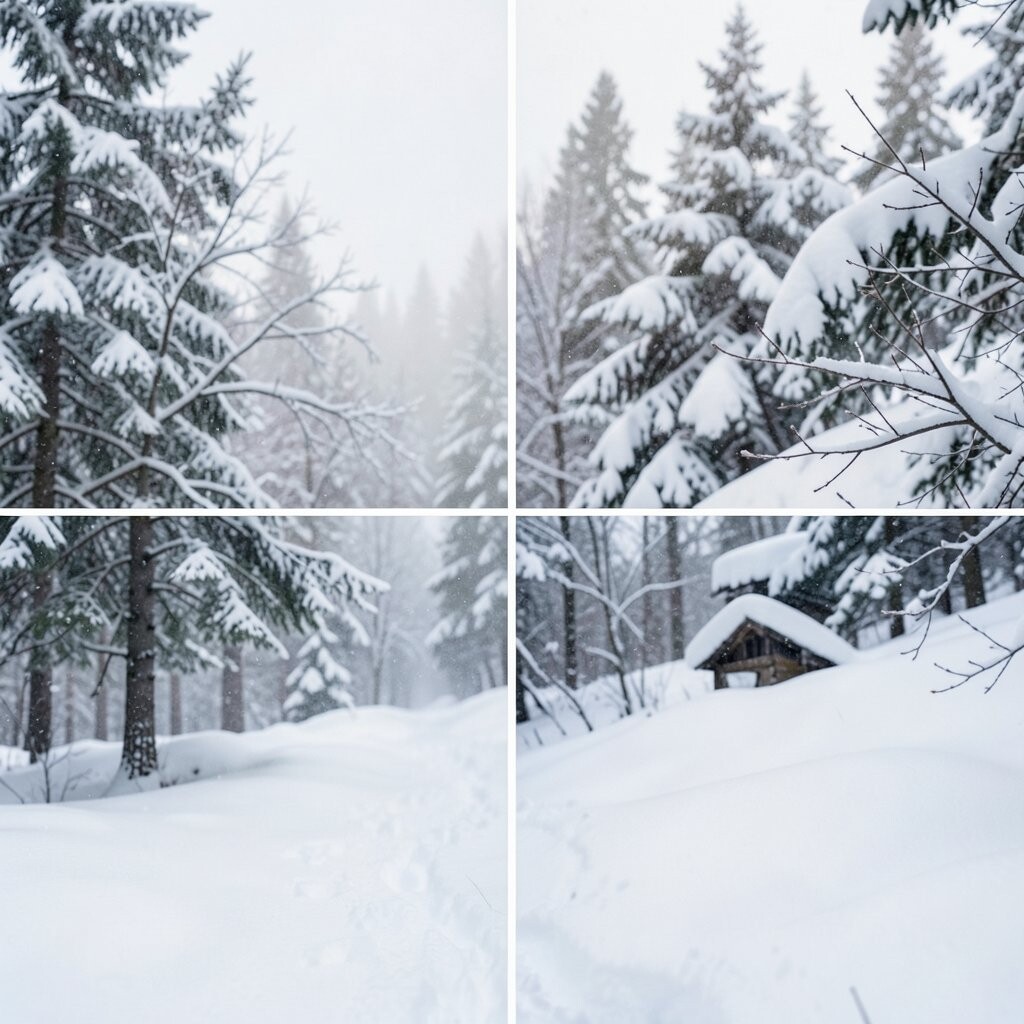
Winter light fades early, so a short plan can help you make the most of your time outside. Pick a place, a main subject, and a backup idea before you go.
This can help you work faster and keep your shoot calm even when the weather is rough. Simple shots often work best in winter, since the season already gives you a clean and quiet look.
Many people now use short photo walks instead of long trips, since they cost less and are easier to fit into a busy day. That trend works well for winter, because it lets you enjoy the light, make a few good frames, and head home before it gets too cold.