Travel can feel magical before the bags are even packed. Small mistakes can turn that sparkle dull fast.
1. Packing Like You Are Moving Away

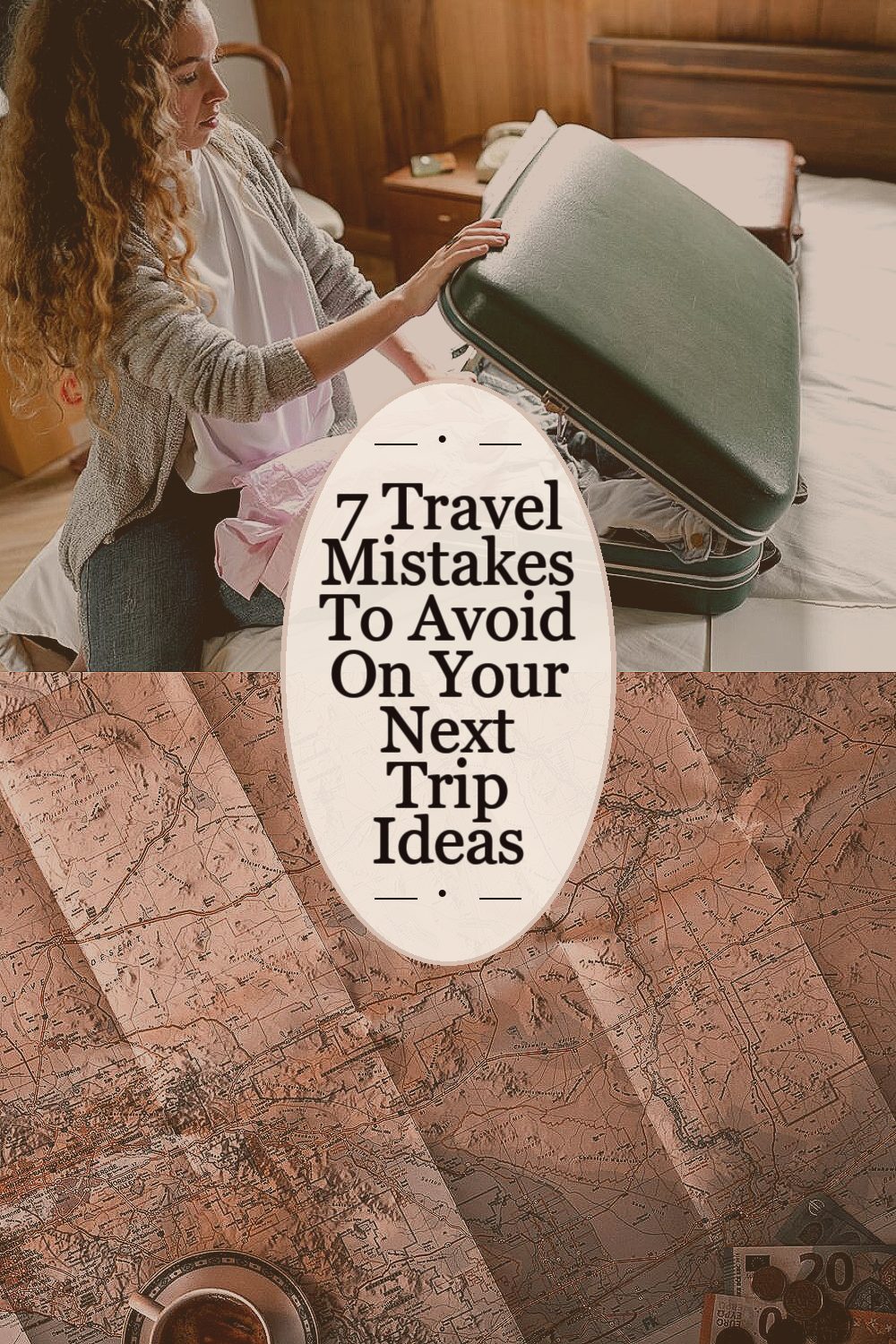
Overpacking makes every step harder, from the front door to the hotel room. A heavy bag can also cost extra money and steal the easy feeling from your trip.
Picture a suitcase stuffed so full that the zipper strains and shirts wrinkle into a mess. A lighter bag gives you room for souvenirs, cleaner organization, and faster moves through airports or train stations. Try picking one outfit for each day, then add one extra layer, one pair of shoes, and a few mix-and-match pieces that fit your style.
2. Skipping a Simple Plan
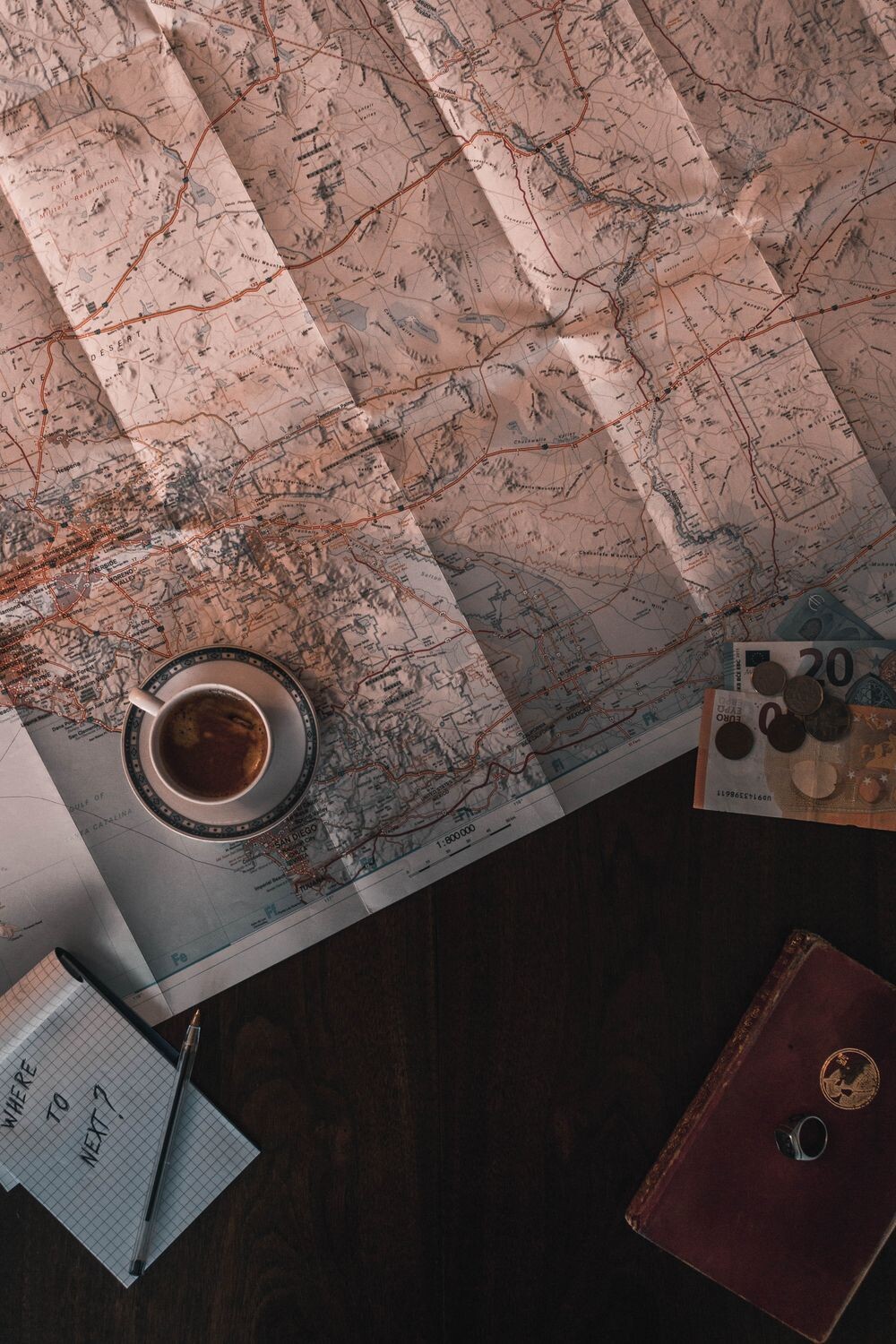
Many travelers arrive with excitement but no clear idea of where to go first. That can lead to missed sights, longer lines, and more spending on last-minute rides.
A small plan brings calm and helps you use your time well. It can also make your trip feel more special because you can choose places that match your taste, like art streets, quiet parks, or busy food markets. Keep room for surprise stops, but write down the must-see spots, opening times, and the best way to get there.
Smart planning also helps with money. When you know the route, you can compare bus, train, and ride-share costs before you leave.
3. Ignoring Local Customs

Every place has its own style, and that is part of the fun. A little respect goes a long way when you are visiting somewhere new.
Simple habits like dressing neatly, speaking softly in quiet places, and learning a few local words can make a big difference. These small moves can open doors to warmer smiles, better service, and even helpful tips from locals who see that you care. If you want a trip that feels personal, look up common greetings, table manners, and dress rules before you go.
This mistake can also affect your budget. Some places charge more for poor choices, like entering a site without the right clothing or joining a service without knowing the rules.
Travel feels richer when you blend in just enough to show kindness. That is often what makes a trip feel memorable in the best way.
4. Forgetting to Check the Weather

Sunshine can fool you into packing only light clothes, while rain can show up with no warning. A wet or freezing day can change your whole mood if you are not ready.
Look at the forecast before you leave and again after you arrive. Bring items that fit the season, like a foldable rain jacket, a hat, or shoes that can handle puddles, and choose colors or styles that still feel like you. This saves money because you will not need to buy emergency gear at a high price in a tourist area.
5. Overbooking Every Hour

A packed schedule can make a trip feel rushed and noisy. Instead of enjoying a view, you may spend the day hurrying from one place to the next.
Slow travel is a growing trend because people want more calm, more flavor, and more time to notice little things. Leave open space for a long lunch, a street musician, a quiet bench, or a shop that catches your eye. You can still see a lot, but your day will feel less like homework and more like a story.
Build your plan around a few key stops and one flexible block of time. That gives you freedom to follow your mood and personal interests.
6. Not Watching Your Travel Budget

Small costs can pile up fast when you are far from home. Snacks, taxis, tips, and extra fees can quietly eat away at your money.
Use a simple daily limit so you know what is safe to spend. You can also choose cheaper wins that still feel special, like a local bakery, a free museum day, or a scenic walk with great photos. Personal touches matter here too, because your budget should fit your own style, not someone else’s social media dream.
Keep track of the big costs first, such as lodging and transport, then watch the little extras. That makes it easier to stay in control without feeling stressed.
7. Forgetting to Leave Room for the Unexpected
Some of the best travel moments are the ones you never planned. A hidden cafe, a colorful alley, or a local festival can turn an ordinary day into something special.
If your schedule is too tight, you may miss those happy surprises. Leave space for wandering, resting, and saying yes to a chance moment that fits your mood and energy. This also helps when plans change, since real trips often need quick swaps because of delays, crowds, or weather.
Think of flexibility as part of the trip style. It can save money, lower stress, and make your journey feel more personal and alive.