Travel days can feel messy fast. A few smart choices can make them smooth.
1. Build Your Trip Around One Main Anchor
Pick one big part of your day and make the rest fit around it. That anchor could be a flight, a museum visit, a work meeting, or a dinner reservation.
This simple idea gives your schedule a strong center. It also makes your day feel calmer, because you know what matters most. If you like a quiet style, choose a slow anchor like breakfast at a café or a sunset walk.
2. Leave Room Between Plans

Do not pack every hour with something to do. Travel almost always brings small delays, from long lines to late trains.
Open space in your plan gives you breathing room. It can also save money, since rushed choices often lead to pricey taxis or last-minute food stops.
A little extra time can become the best part of the day. You might spot a colorful street, a small shop, or a pretty park bench that was not on your list.
3. Group Nearby Stops Together

Look at your map before you leave and place close spots on the same day. This cuts down on backtracking and long rides across town.
The result is less stress and more time for fun. It also helps your feet, your energy, and your wallet.
If you want a more personal plan, group places by mood too, like food stops, art stops, or outdoor stops. That makes the day feel special and gives your schedule a clear theme.
4. Use Time Blocks Instead of Tiny Tasks
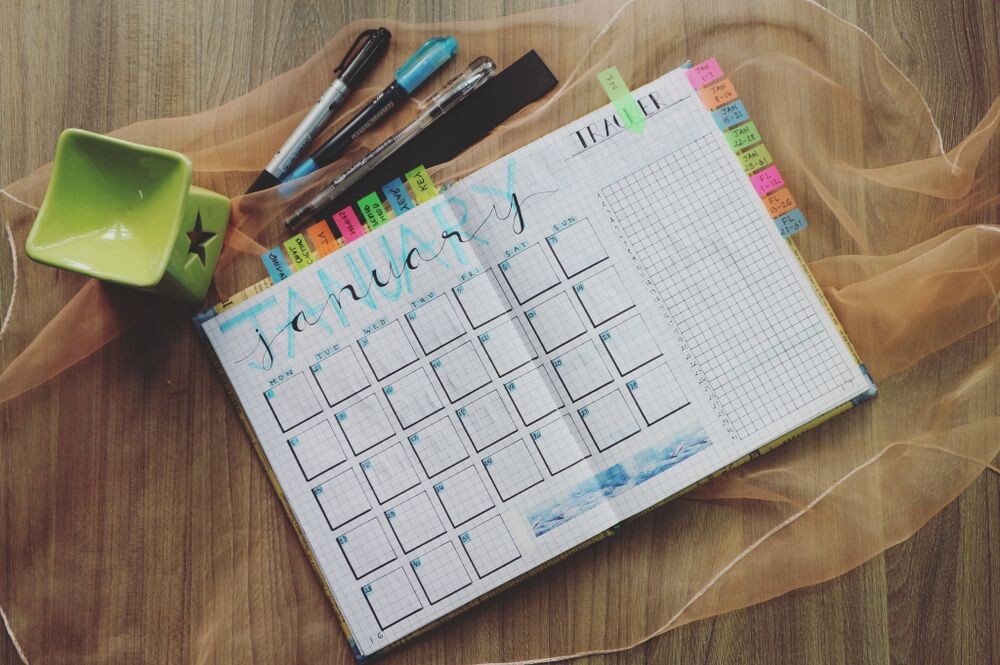
Try planning in chunks, not in tiny minute-by-minute steps. A morning block, lunch block, and evening block are easier to follow than a crowded page of details.
This style looks neat and feels less strict. It also fits modern travel trends, since many people want simple plans that still leave space for fun.
5. Match Your Schedule to Your Energy

Plan your hardest tasks for the time when you feel most awake. If you are fresh in the morning, use that time for busy streets, long walks, or big sightseeing stops.
Save easy things for times when your energy drops. A calm café break, a short ride, or a pretty view can help you reset without spending much.
Your schedule will feel more personal when it follows your real rhythm. It can also keep the trip from feeling too heavy, which is helpful on longer days.
6. Keep a Simple Backup Plan
Even the best travel day can change fast. Rain, traffic, full tickets, or tired kids can make your first plan hard to follow.
A backup plan keeps you ready without extra stress. You can swap in a nearby indoor stop, a snack break, or a shorter route if needed.
This idea is useful for budget travelers too, because it helps avoid panic spending. A little planning makes the day feel safer, smoother, and more flexible.
7. Add One Small Treat to the Day

Give your schedule one little reward to look forward to. It might be a sweet drink, a local snack, a postcard, or a nice photo stop.
Small treats make travel feel more joyful. They also make your plan feel unique, since the day becomes more than just a list of errands.
If you want a custom touch, choose a treat that matches your trip style. A beach trip might call for ice cream, while a city trip might fit a bakery stop or a rooftop view.
8. Use Travel Tools That Save Time

Helpful apps, offline maps, and saved notes can make your schedule much easier to follow. They keep key details in one place, so you do not waste time searching for them.
Many travelers now like digital plans because they are quick to update. They also help you compare costs, check opening hours, and spot better route choices.
Still, a paper backup can be smart if your phone battery runs low. A mix of digital and simple notes gives you the best of both worlds.
9. Review and Tweak Your Plan Each Night

Spend a few minutes at the end of the day looking at tomorrow’s plans. This helps you catch slow parts, missing details, and places that need more time.
A small nightly review can save a lot of trouble later. It also makes the next day feel lighter, because you wake up with a clear path.
You can make this habit feel personal by adding a short note about what worked well and what did not. Over time, your travel schedule becomes smarter, easier, and more your own.