Street fairs can be a simple way to spend time with your town and see local work up close. They also give you a chance to enjoy art, food, and music in one easy place.
1. Bright Booths Full of Handmade Goods
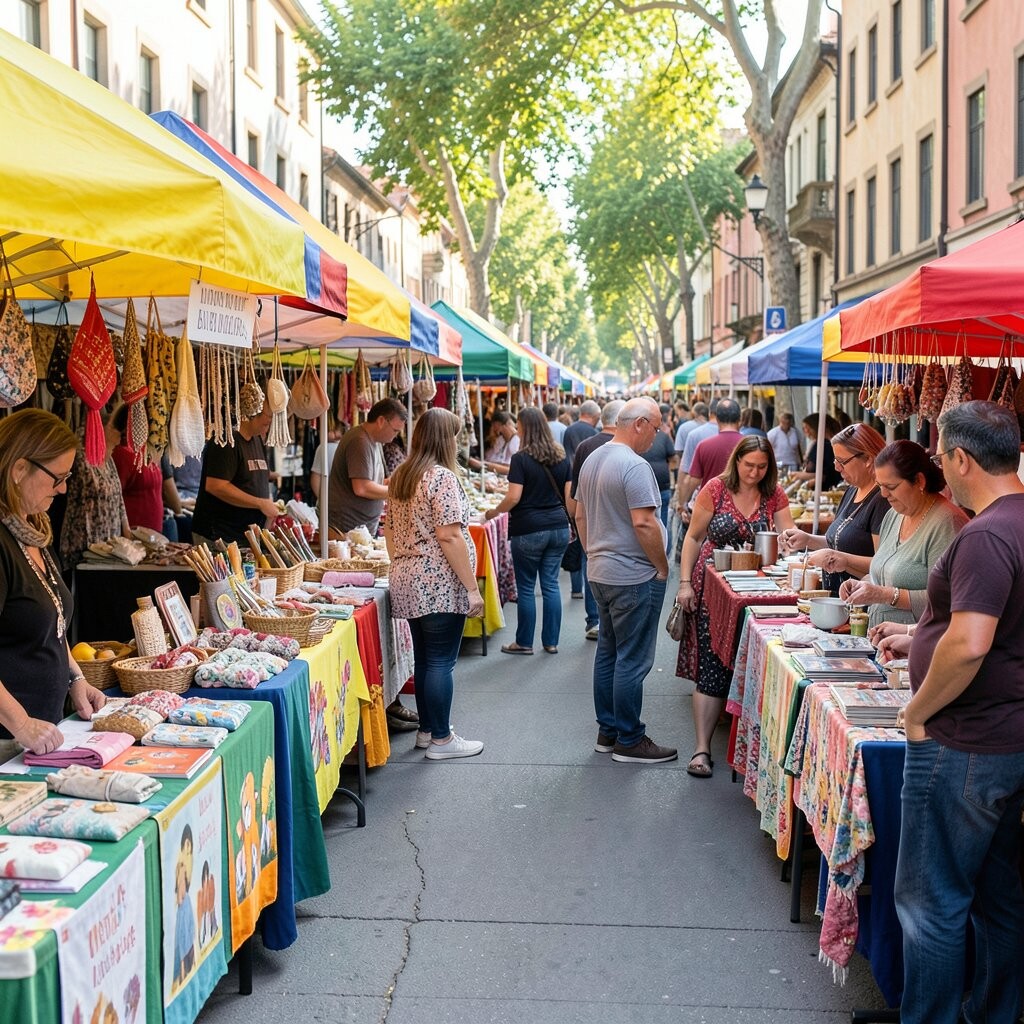
One of the best parts of a street fair is the row of bright booths filled with handmade items. You may see painted signs, woven bags, clay bowls, wood toys, and small art prints all in one walk.
This kind of setup makes it easy to look around without feeling rushed. It can also help you support local makers, and many items cost less than store-bought art because they are sold right at the fair.
Try going early if you want the best pick, since popular pieces can sell out fast. If you have a gift list, this is a good place to find simple, personal items that feel more special than something from a big shop.
2. Live Art Made Right in Front of You
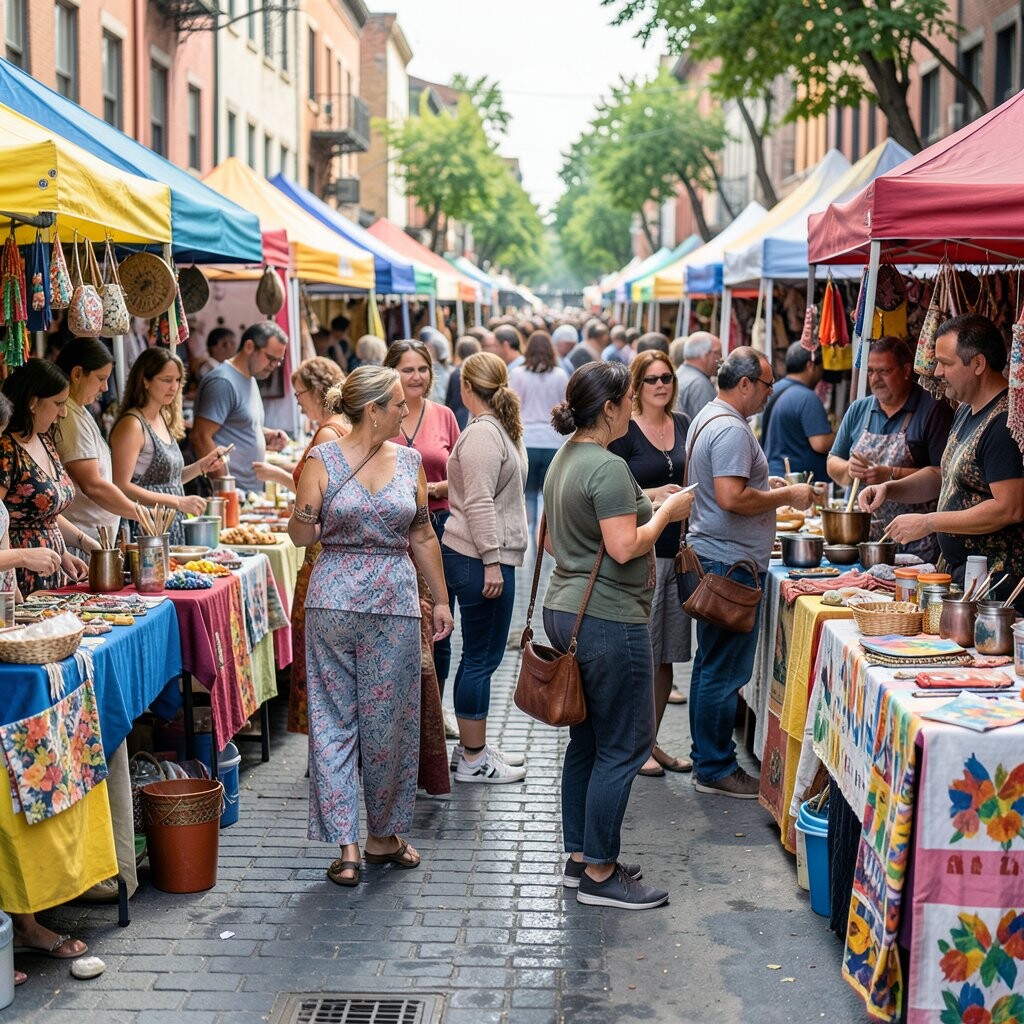
Many fairs now have artists working in the open, so you can watch a painting, carving, or print come together step by step. It is fun to see the tools, colors, and small choices that go into each piece.
This kind of live work helps people feel closer to the art and the person making it. It also gives you a better sense of the time and care behind the price, which can make the cost feel more fair.
If you like a certain style, ask the artist about their process or what materials they use. A short talk can help you find something that fits your home, your taste, or even your own art project at school.
3. Local Food Stands with Easy Snacks
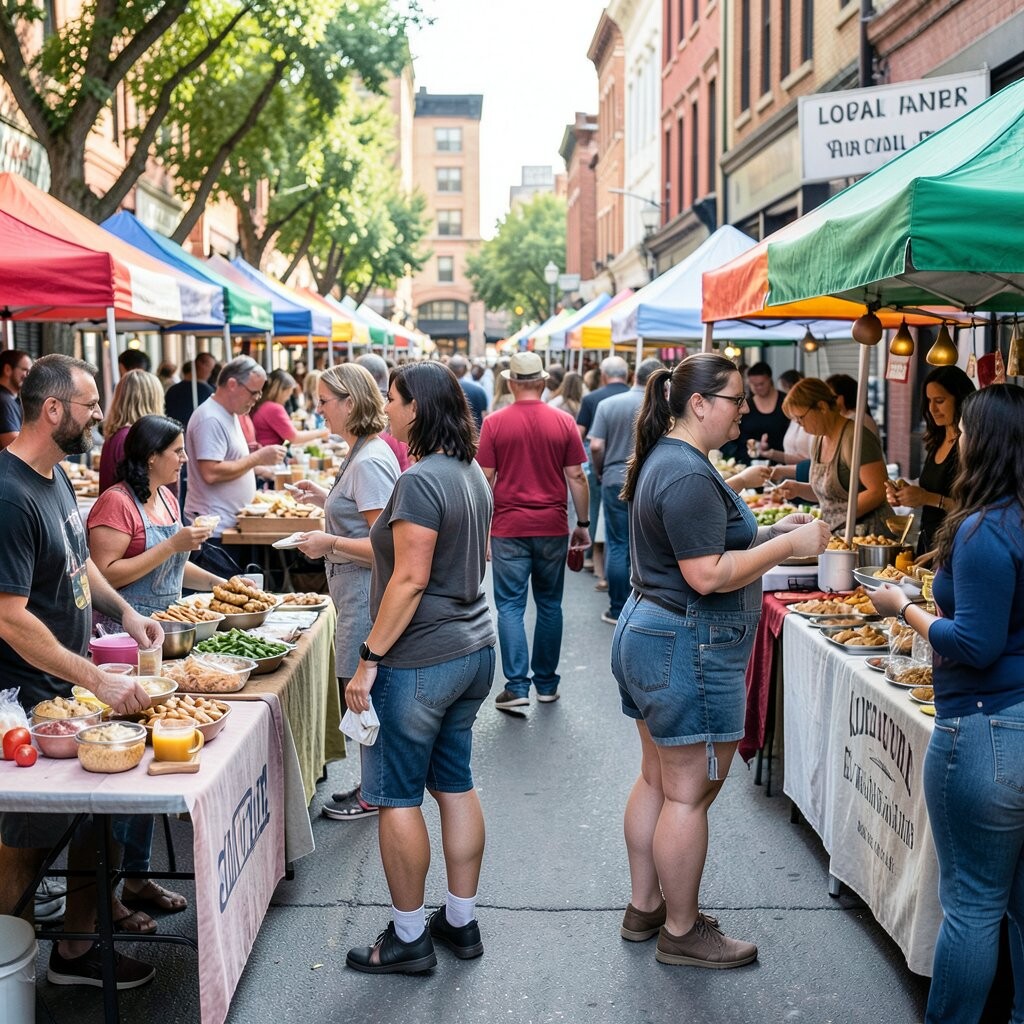
Street fairs often have food stands run by local cooks, bakeries, and small shops. You may see fresh bread, fruit cups, tacos, kettle corn, or cool drinks that are easy to carry while you walk.
Food adds to the full fair feel and gives you a break between art booths. It can also help you keep your energy up, and many stands offer low-cost snacks if you want to spend less.
Look for menu boards with clear prices so you can plan before you buy. If you are with family, sharing a few items can help you try more foods without spending too much.
4. Art You Can Wear
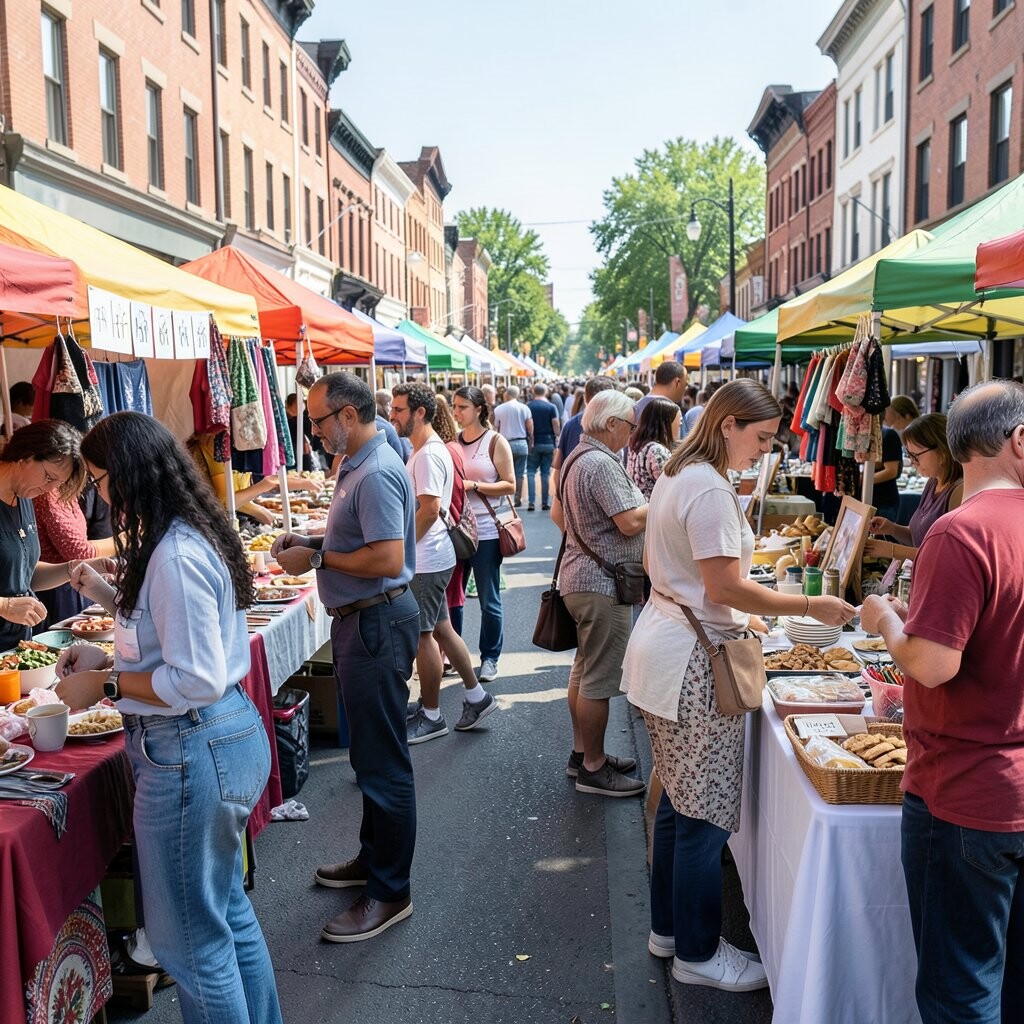
Some local artisans make earrings, hats, scarves, shirts, and other items you can wear right away. These pieces often come in bold colors and simple shapes that stand out in a crowd.
Wearable art is useful because it mixes style with daily use. It can also be a good way to show your taste without buying something large or hard to store.
When you shop for these items, check the fit, the fabric, and how the piece is made. A handmade item may cost more than a fast-fashion item, but it may also last longer and feel more personal.
5. Small Works for Small Spaces
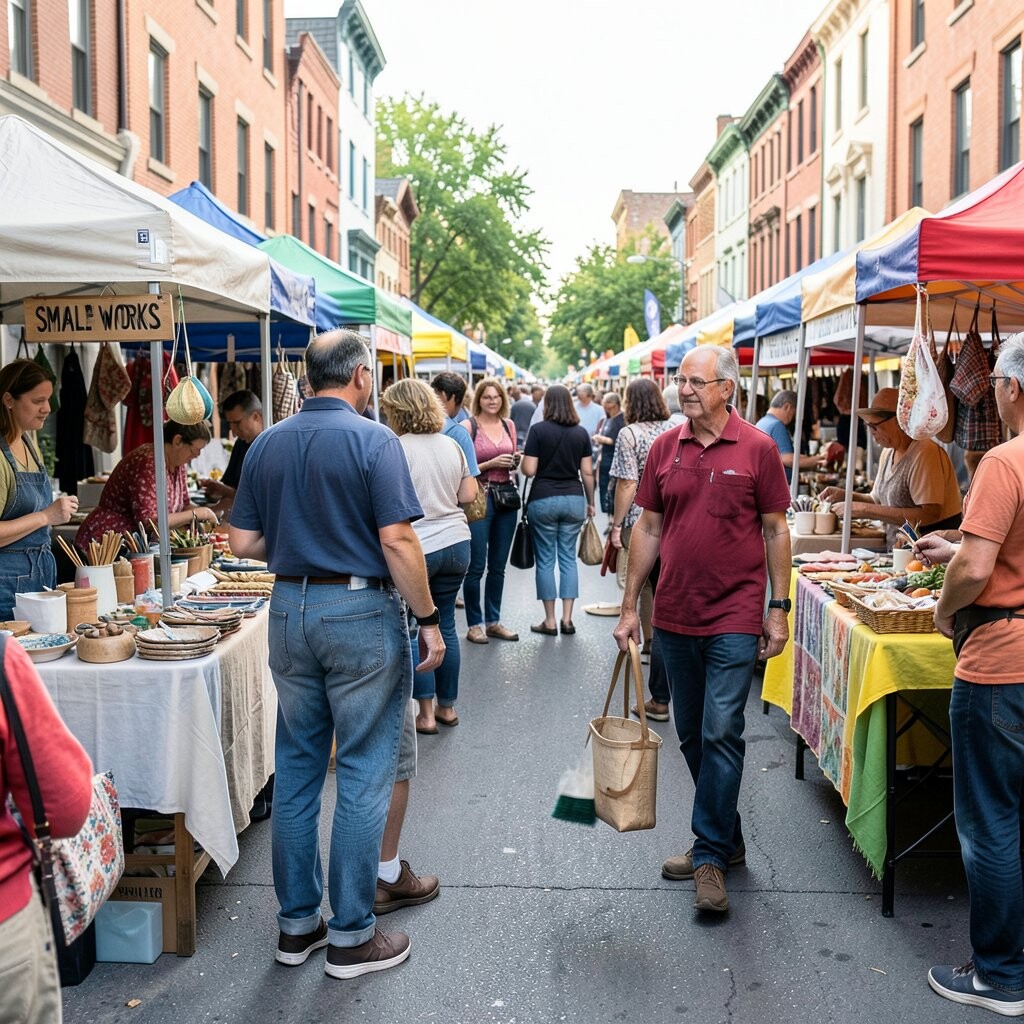
Not everyone has room for big wall art, so many fairs offer small prints, tiny paintings, and desk pieces. These items fit well on shelves, tables, and narrow walls in homes, dorms, or offices.
Small works are often easier to buy because they usually cost less than large pieces. They also make it simple to start an art collection without spending a lot of money at once.
If you want a neat look, pick one color theme and stick with it. You can also mix a few small pieces from the same artist to make a wall feel more planned and calm.
6. Craft Demos for Curious Visitors
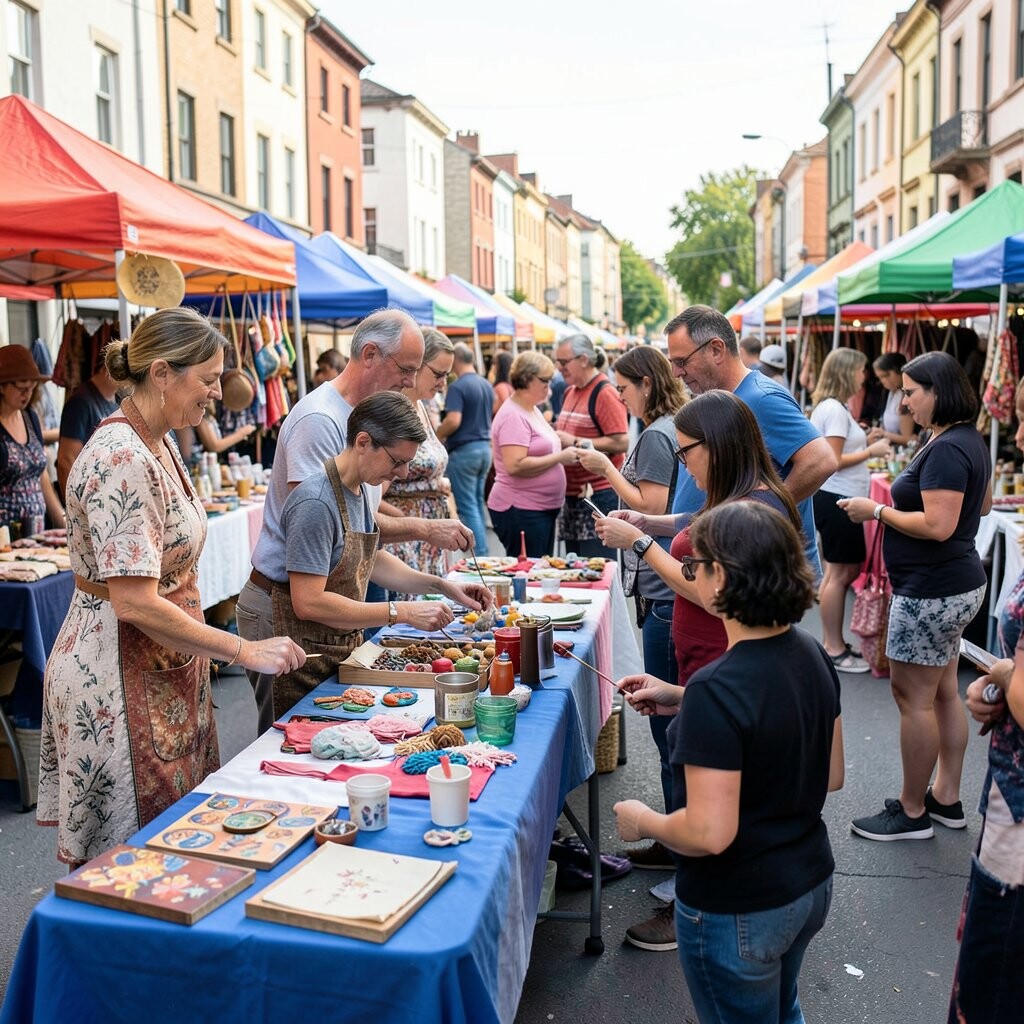
Many fairs include short craft demos where makers show how they cut paper, shape clay, stitch fabric, or pour candles. These demos are often set up in a way that lets people stand close and ask questions.
This is a nice choice for kids and adults who want to learn something new without signing up for a class. It can also help you understand why some items cost more, since handmade work takes time and skill.
Bring a small notebook or use your phone to save ideas if you want to try a craft later. You may come home with a new hobby, a better eye for detail, or a simple gift idea you can make yourself.
7. Booths with Reused and Reworked Items
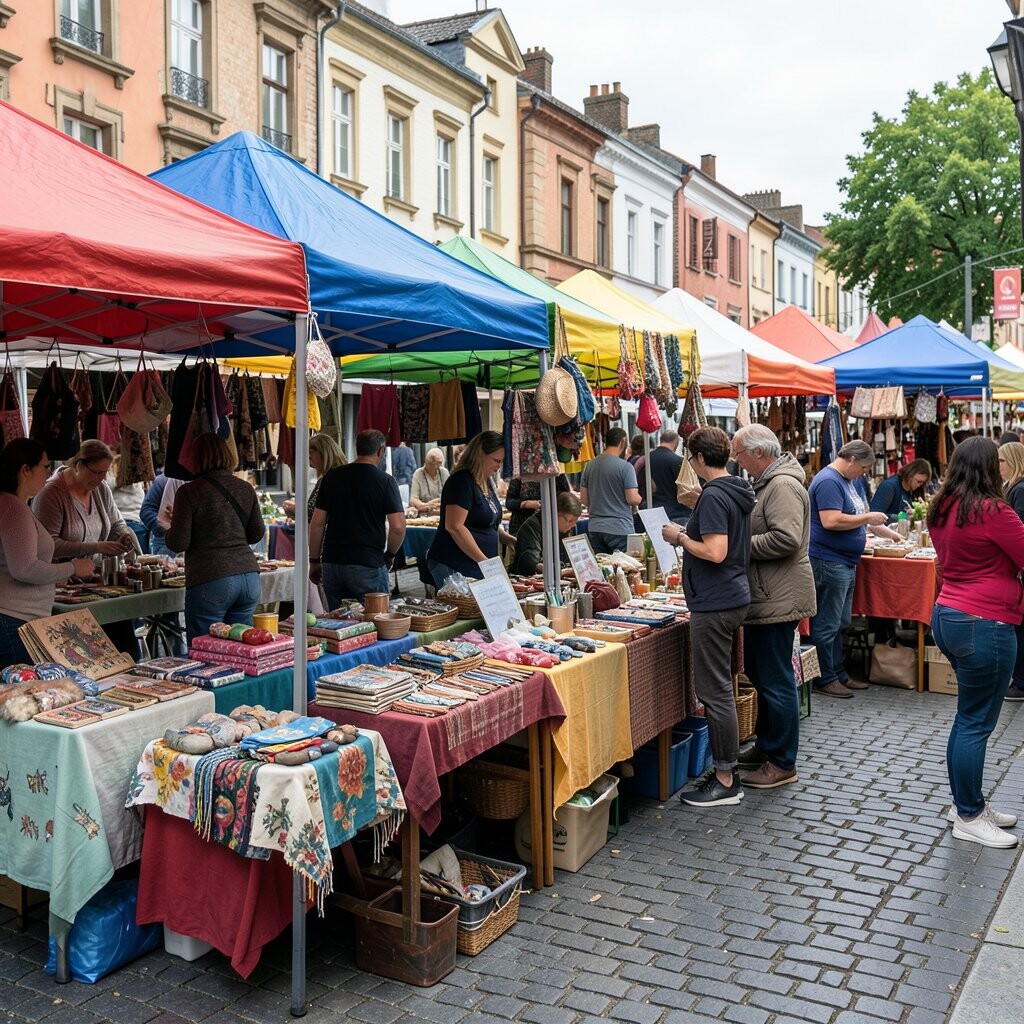
A growing trend at street fairs is art made from reused parts like old wood, glass, metal, or cloth. These items can look fresh and modern even when they start with old materials.
People like this kind of work because it can help cut waste and give old things a new use. It also tends to feel one of a kind, since no two pieces come out exactly the same.
If you want to buy with care, ask where the materials came from and how the piece was made. Items like this can fit many budgets, from low-cost keychains to larger home pieces that cost more.
8. Music Corners Near the Art Tables
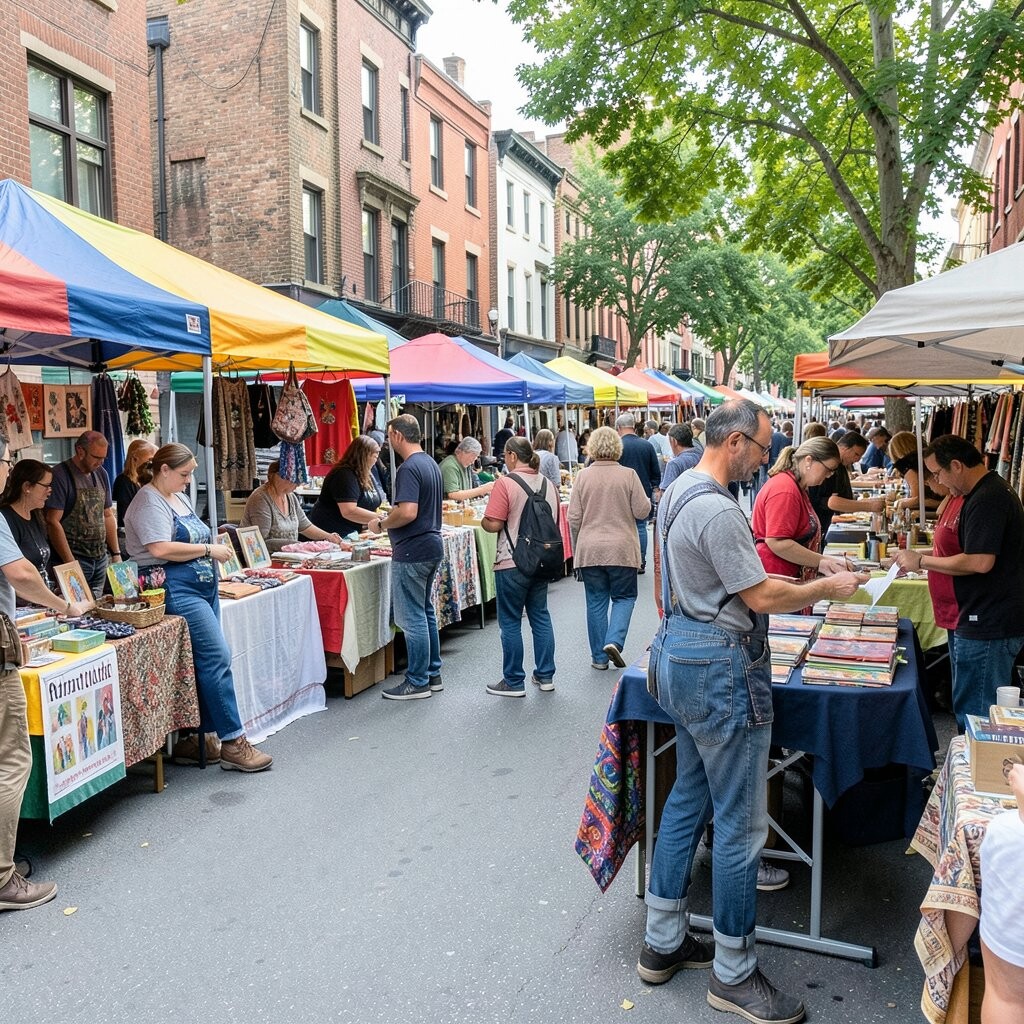
Some fairs place small music spots near the artisan booths, so you may hear a guitar, drum, or local band while you shop. The sound can make the walk feel lively without being too loud.
Music can help people stay longer and feel more relaxed as they look at art. It also gives local performers a place to share their work, which adds more value to the whole event.
If you plan to stay for a while, check the music schedule so you do not miss your favorite act. A fair with both art and live sound can feel full and fun without needing a big ticket price.
9. Family-Friendly Art Stops
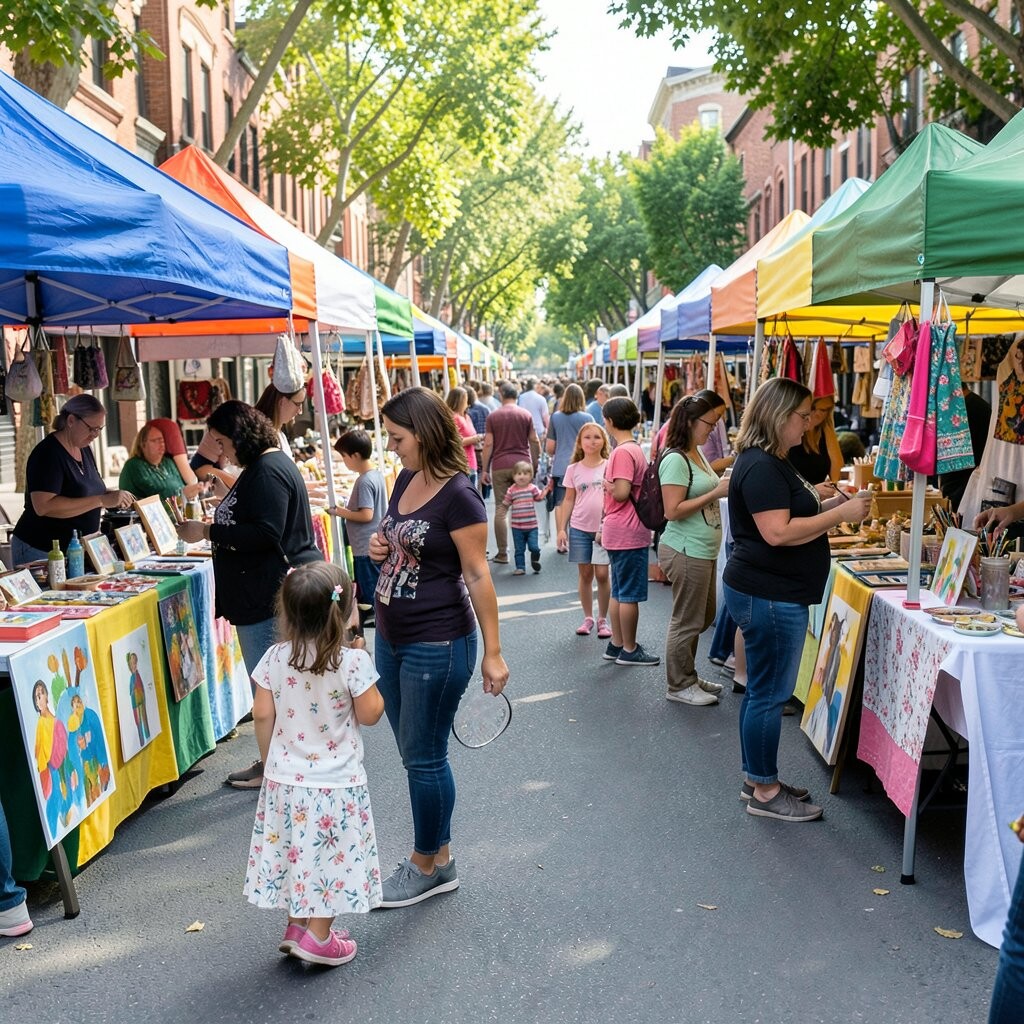
Many street fairs now set up art stops for kids, like coloring tables, bead making, or simple stamp art. These spots often use bright colors, large tools, and easy steps that help young kids join in.
This makes the fair better for families because children can stay busy while adults look at booths. It can also help kids feel proud of making something on their own.
Choose easy projects if you want less mess and less wait time. Some family art stops are free, while others ask for a small fee for supplies, so it helps to bring a little cash.
10. Booths That Match Home Decor Trends
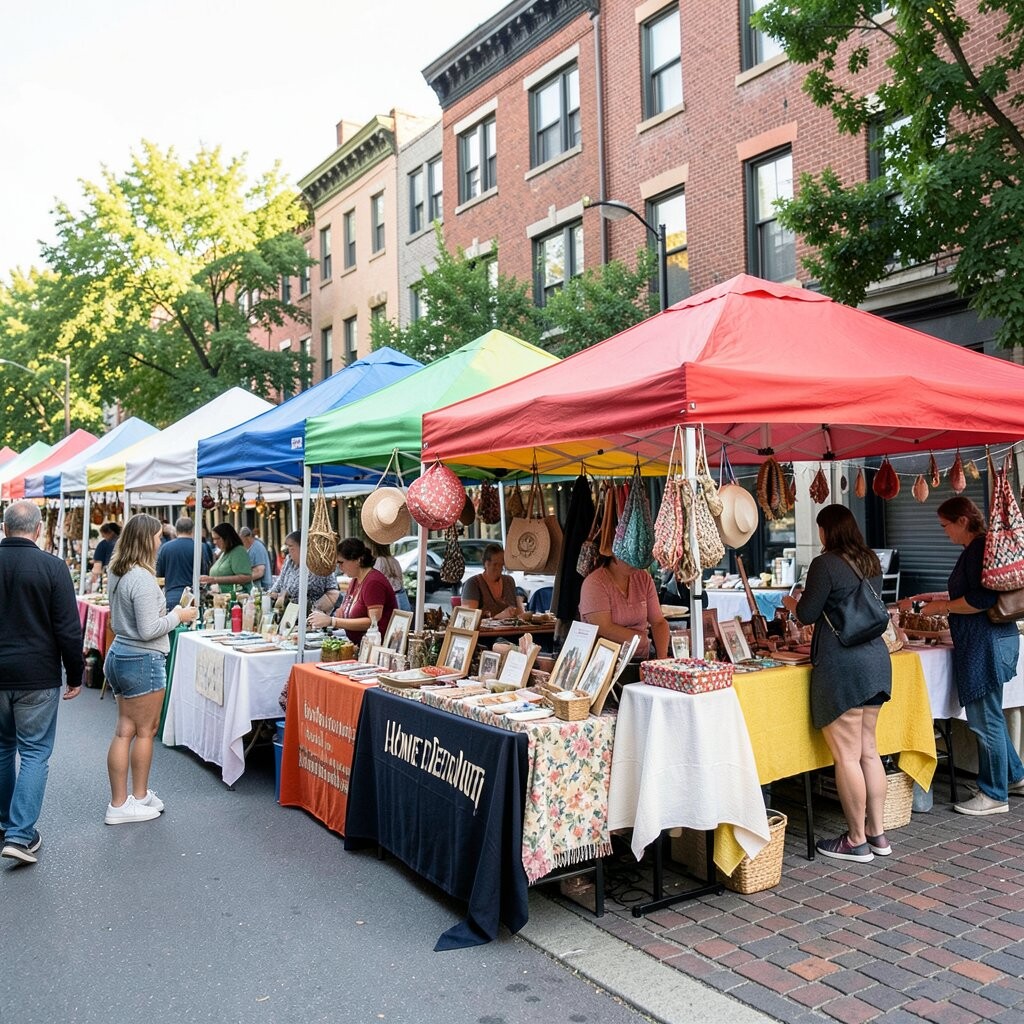
Many artisans now make items that fit current home decor trends, like soft earth colors, plain lines, and mixed textures. You may see wall hangings, vases, trays, and candles that work well in modern rooms.
This is useful if you want your home to feel neat and warm at the same time. It also helps you find pieces that fit your space without needing a full room makeover.
When you shop, think about where the item will go and what colors are already there. A simple piece can make a room feel more complete, and it may cost less than a large decor set from a chain store.
11. Personal Gifts with a Handmade Touch
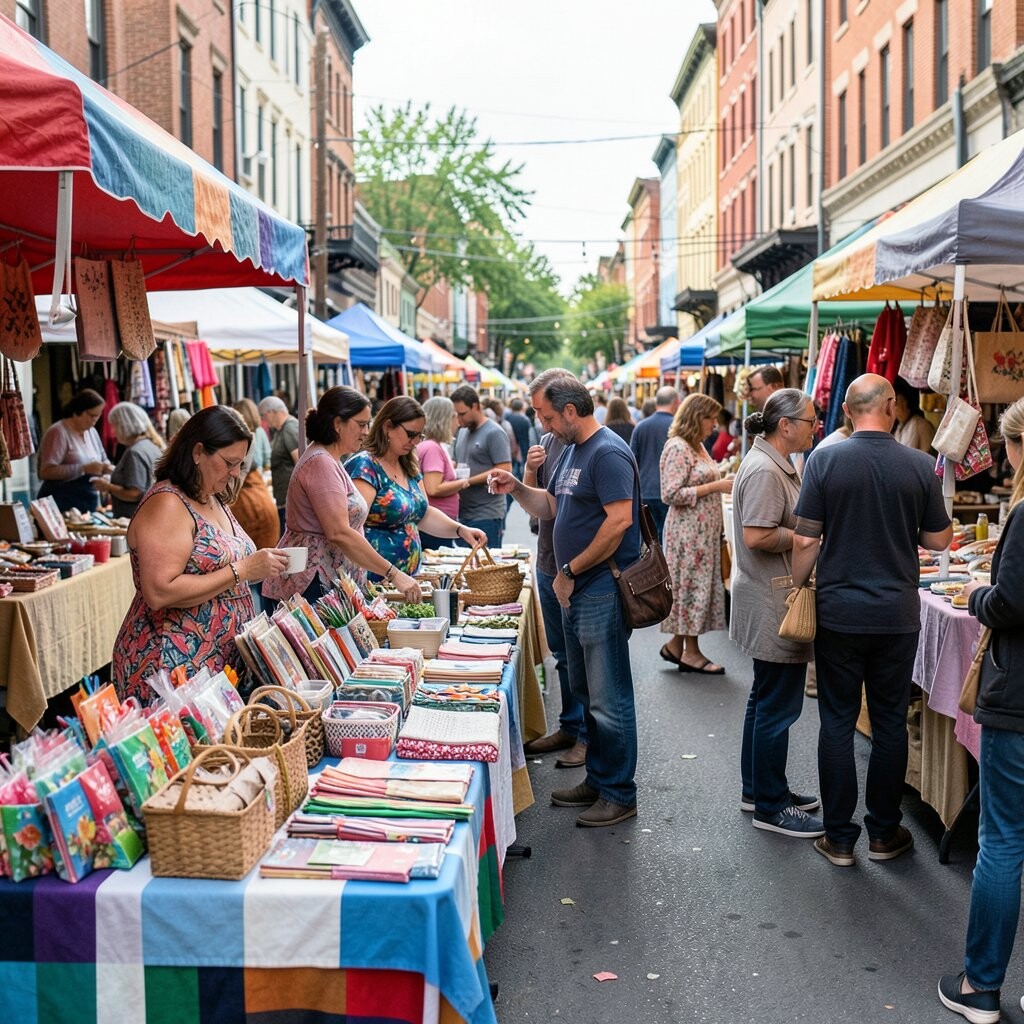
Street fairs are a good place to find gifts that feel personal, such as custom mugs, name signs, pet art, or hand-painted cards. These items can show that you picked something with care instead of grabbing a random gift.
Handmade gifts often mean more because they carry a local story and a real maker behind them. They can also fit many price levels, so you can find something small for a friend or something bigger for a family event.
If you want a gift to feel even more special, ask if the artist can add a name, date, or short note. That small change can make a simple item feel made just for that person.
12. Fair Food and Art on a Budget
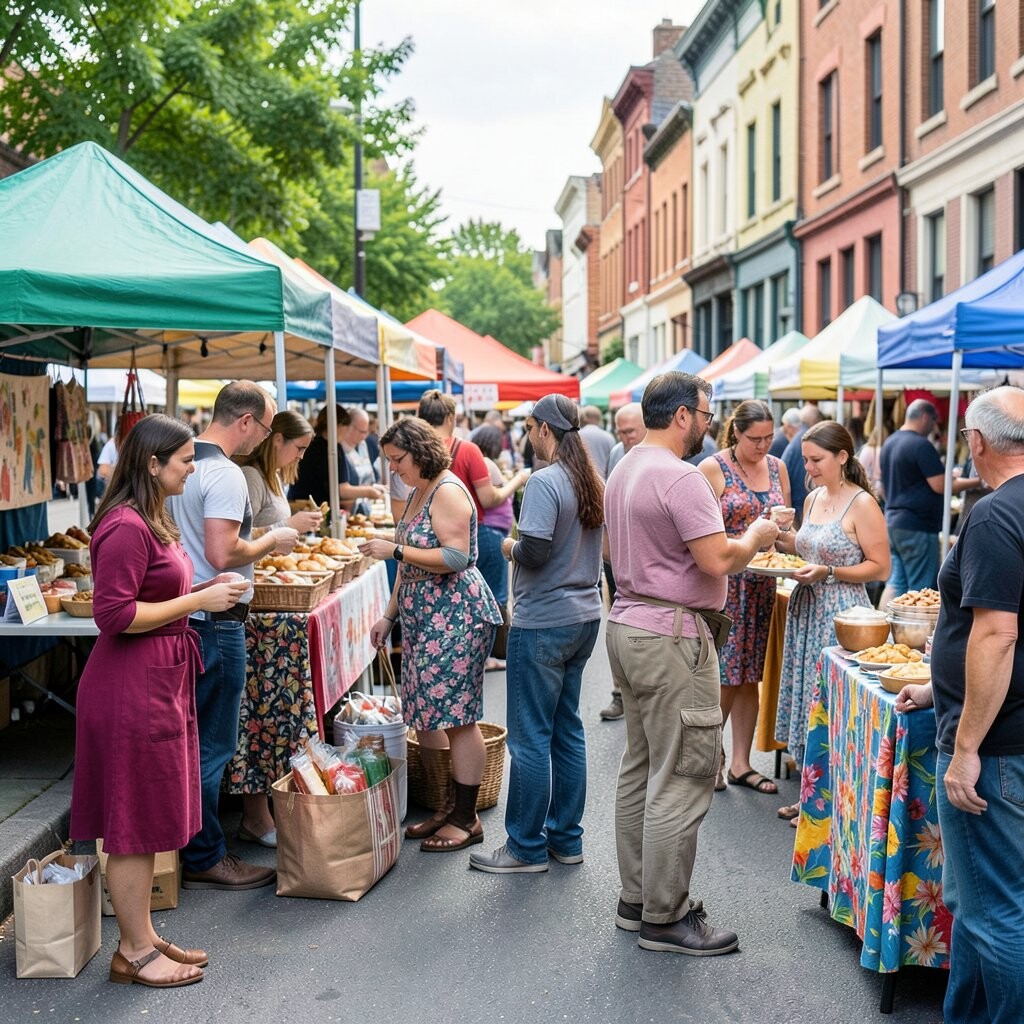
It is easy to spend a lot at a fair if you buy food, art, and drinks without a plan. A good tip is to set a small budget before you go and keep some money aside for one item you really like.
You can still have a full day without buying everything you see. Many fairs have free music, free demos, and low-cost snacks, so you can enjoy the event even if you only buy one or two things.
Look for bundle deals, student discounts, or early-day prices if the fair offers them. A simple budget plan can help you enjoy more and worry less while still supporting local makers.
13. A Slow Walk Through Local Style
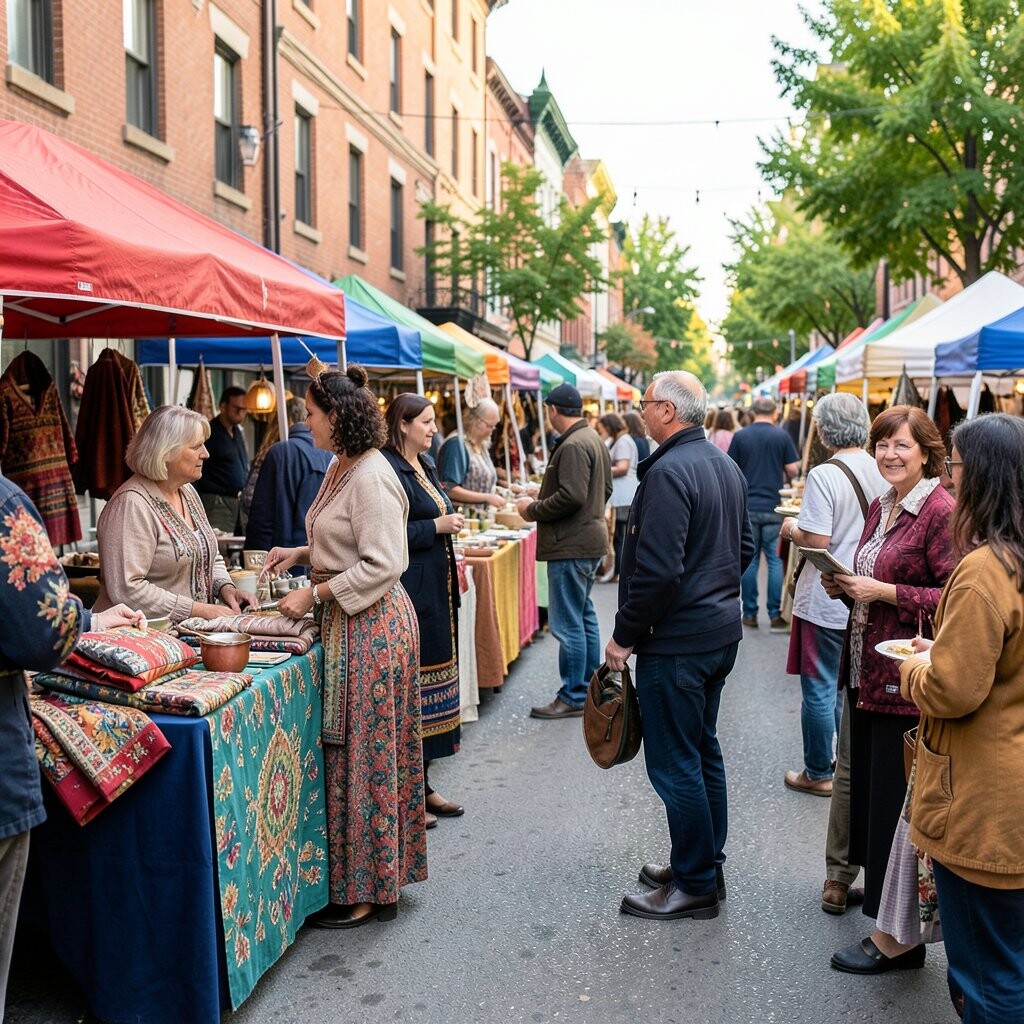
One of the nicest parts of a street fair is the slow walk from booth to booth while you take in all the local style. Every table may have a different look, from bold paint to soft cloth to neat wood work.
This mix of styles makes the fair feel fresh and full of life. It also helps you notice what you like, which can guide future buys for your home, closet, or gift list.
Take your time, talk to makers, and ask about prices and care tips before you buy. A slow visit can help you choose better, spend wiser, and leave with items that fit your life in a simple way.