Planning a surf trip can feel simple at first, but gear choice can change the whole day. A good rental board can help you save money, travel light, and get more time in the water.
1. Know Your Skill Level Before You Rent
Start by being honest about how well you surf. A board that fits your skill can make paddling, turning, and standing up feel much easier.
If you are new, a soft-top longboard often gives a calm, steady ride. If you have surfed for a while, you may want a board with more speed and a shape that fits your style.
This matters because the wrong board can make a fun session feel hard fast. It also helps you avoid paying for a board that looks cool but does not match your needs.
2. Match the Board to the Waves

Look at the wave size, shape, and power before you rent. A board that works in small beach waves may feel weak in fast, steep surf.
For soft, slow waves, a bigger board can help you catch more rides. For punchier surf, a shorter board may feel easier to move and turn.
This is one of the best ways to get more value from your rental. It can also help you enjoy the day instead of fighting the water.
3. Check the Board for Dings and Repairs

Take a slow look at the board before you leave the shop or van. Check the nose, rails, tail, fins, and bottom for cracks, dents, or soft spots.
A board with fresh tape or old repair marks is not always bad. Still, you want to know what you are taking out so you do not get blamed for old damage.
Ask the renter to mark any damage on the form or take a quick photo. That small step can save you stress and extra cost later.
4. Ask About Leashes, Fins, and Wax

A board is only part of the setup. You also need a leash that fits well, fins that are tight, and wax or grip that helps your feet stay put.
Some rental shops include these items in the price, while others charge more. If you need to buy them, the total cost can go up faster than you expect.
Check the leash for wear and make sure it is the right length for your board. A clean, ready board with the right add-ons can make your session smoother from the start.
5. Choose a Shape That Fits Your Trip
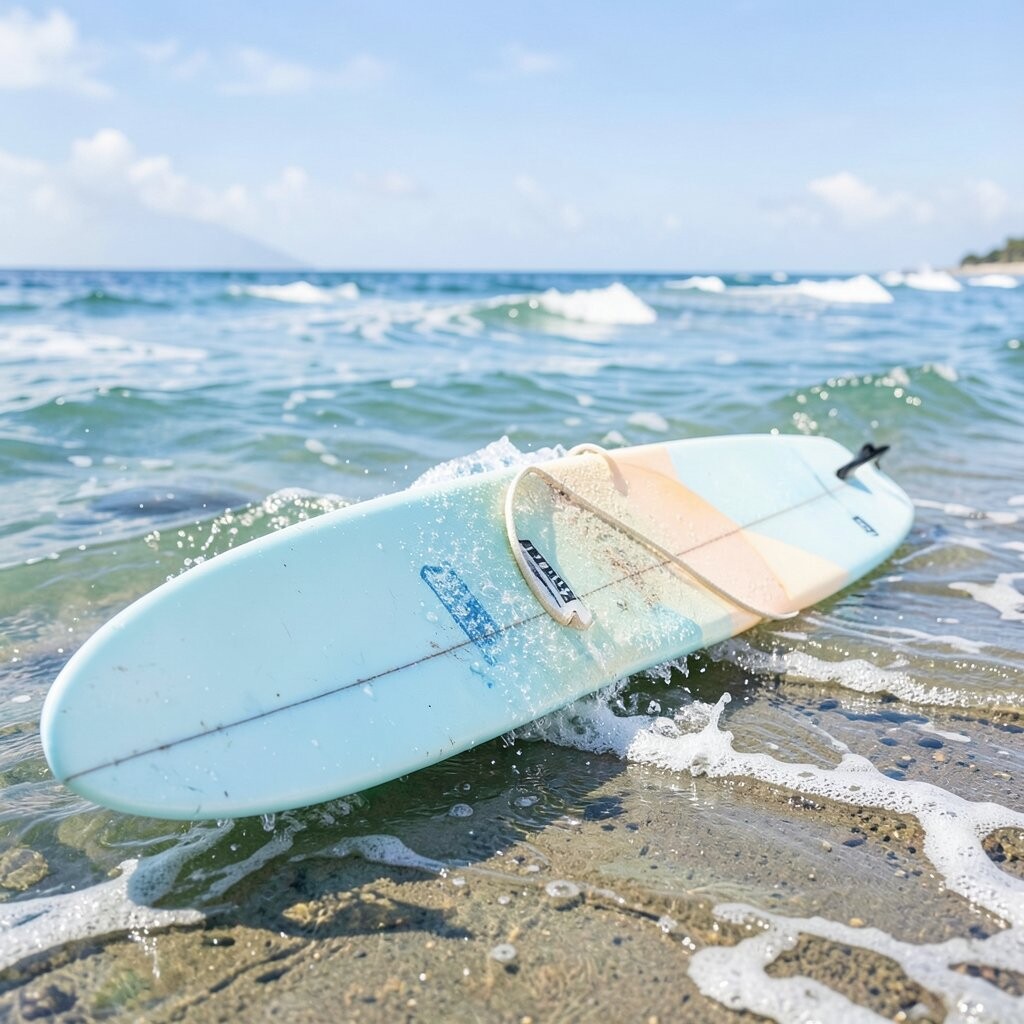
Think about how you plan to surf on this trip. If you want easy waves and a relaxed feel, a longboard or funboard may be a smart pick.
If you want quick turns or a more active ride, a shortboard might fit better. Fish boards are also popular because they have a wide look and can feel fast in small to medium waves.
Each shape has its own feel, and that makes rentals useful. You can try a style you do not own and see if it works for your kind of surfing.
6. Compare Shop Prices Before You Book
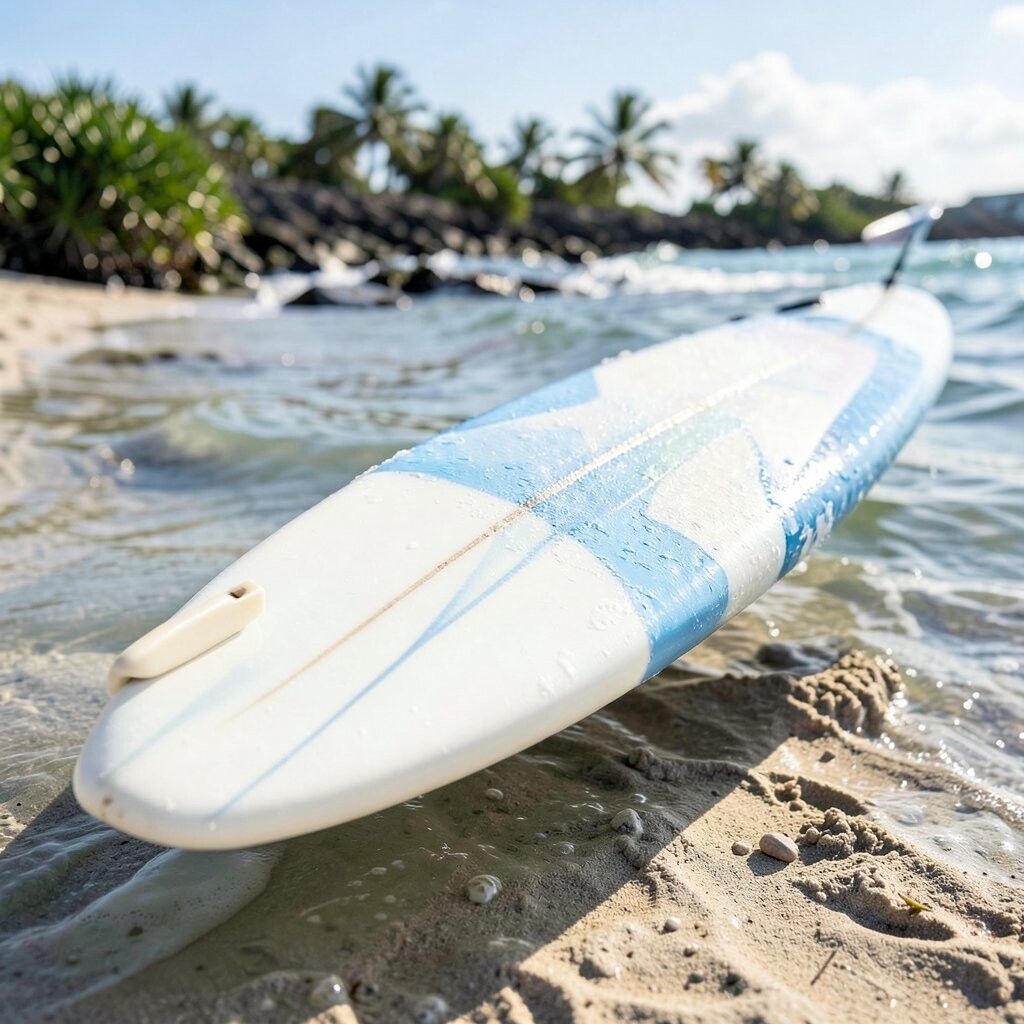
Rental prices can change a lot from one shop to another. Some places charge by the hour, some by the day, and some give better rates for a full week.
Ask what is in the price so you can compare it fairly. One shop may look cheap at first, but then add fees for fins, leash, roof racks, or board bags.
It helps to call or check online before you arrive. A little price checking can free up money for food, gas, or another surf session.
7. Look for Boards That Fit Your Height and Weight
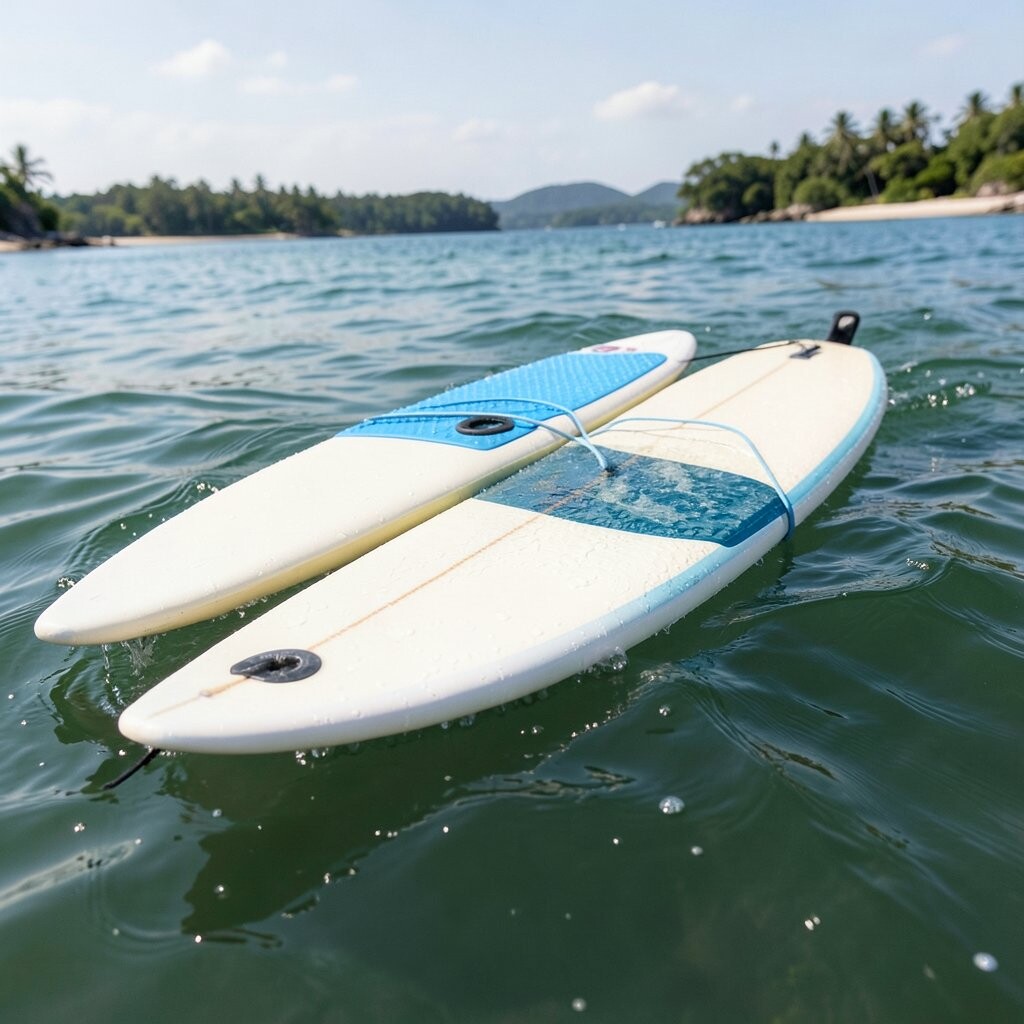
Board size is not just about skill. Your body size matters too, since a board that is too small may sink or feel shaky under you.
Heavier surfers often do better on boards with more volume and width. Smaller surfers may feel fine on a thinner board that is easier to move around.
Ask the shop staff for help if you are not sure. A board that fits your body can make paddling less tiring and help you catch more waves.
8. Try a Few Boards If the Shop Allows It
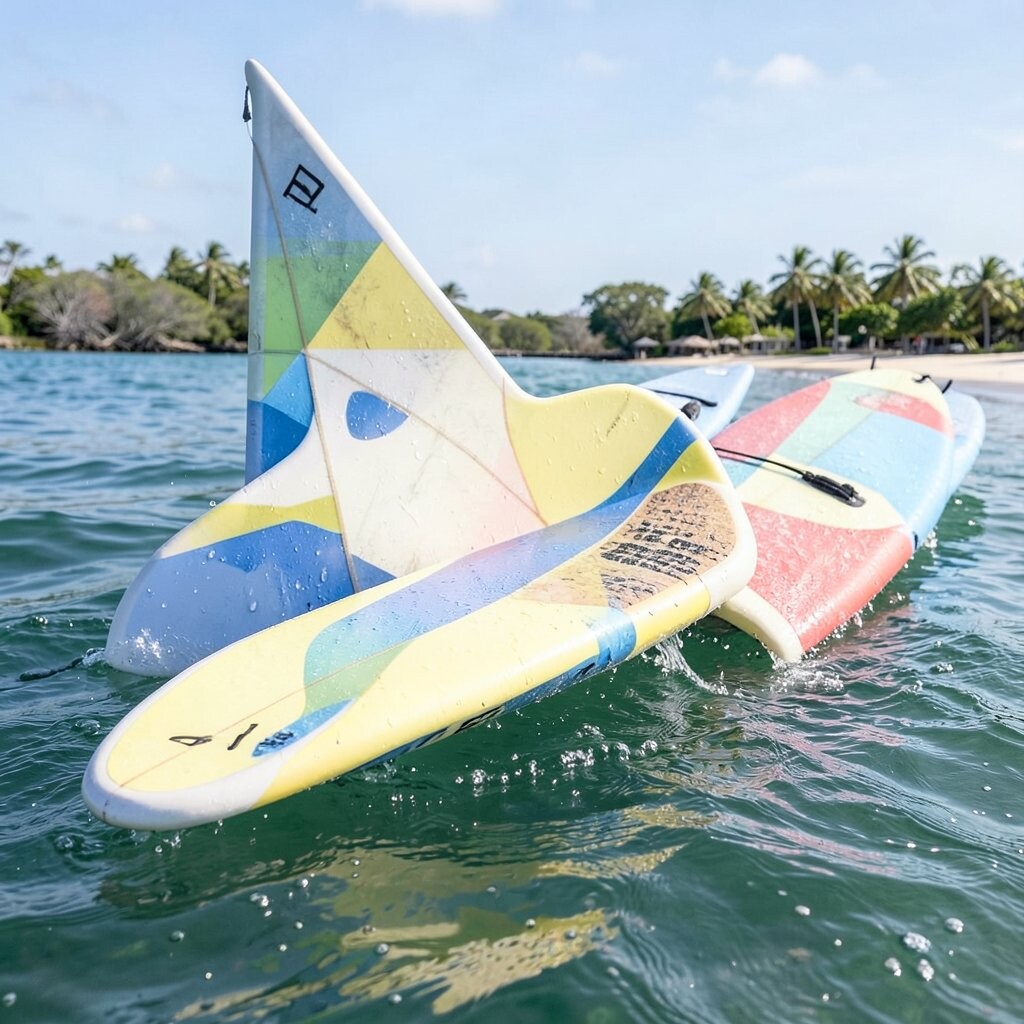
Some rental places let you switch boards after a short test. That can be very useful if the first one feels too wide, too thin, or too slow.
Trying more than one board can help you learn what you like. You may find that a board you never planned to use feels best in the water.
This is a good way to make your surf trip more personal. It also helps you get more from the rental cost, since you are not stuck with one bad fit.
9. Think About Travel Size and Weight
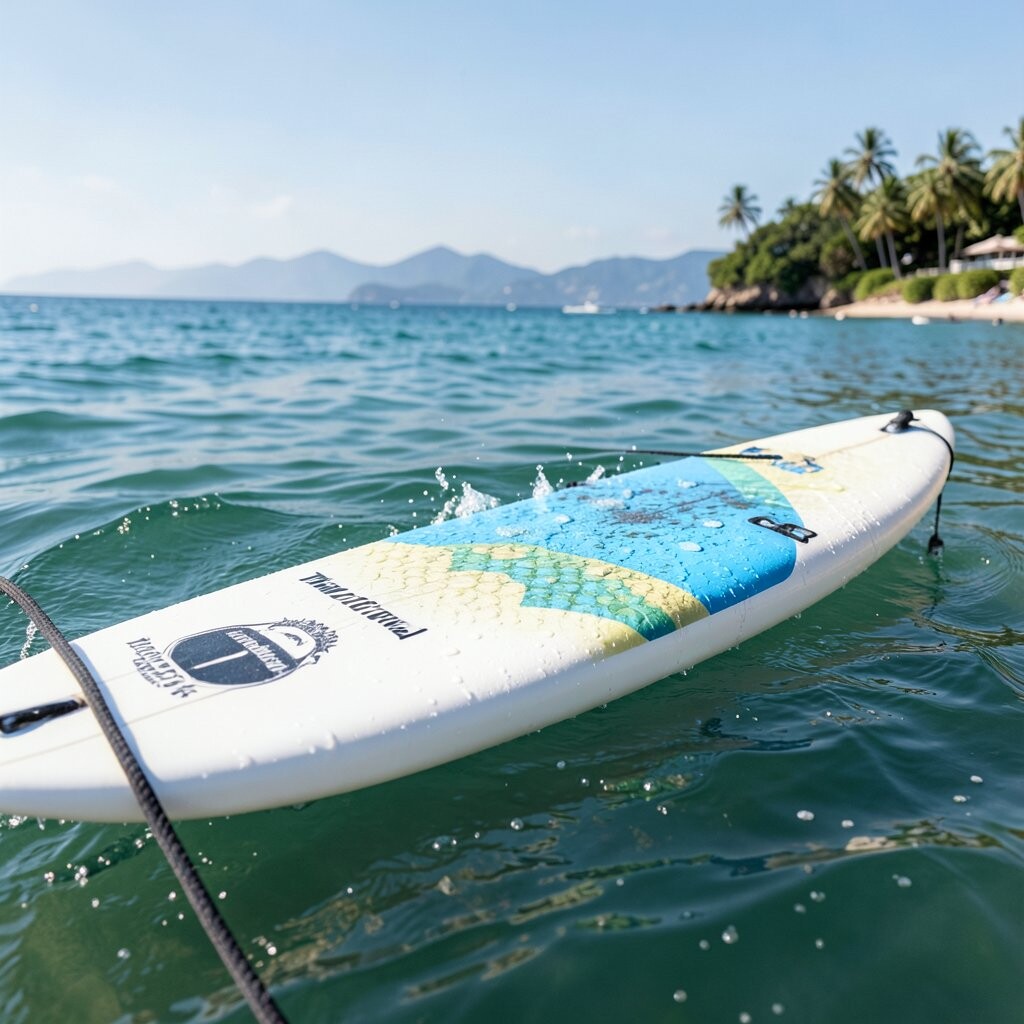
One big reason people rent boards is to avoid travel hassle. A rental board can save space in your car, van, or flight bag.
If you are moving between beaches, a lighter board may be easier to carry. A board that is too heavy can be awkward on stairs, sand, and long walks to the water.
Some newer rental boards are made with travel in mind and can feel sturdy but not too heavy. That is a nice trend for surfers who want less work and more time in the lineup.
10. Ask About Local Wave and Tide Advice
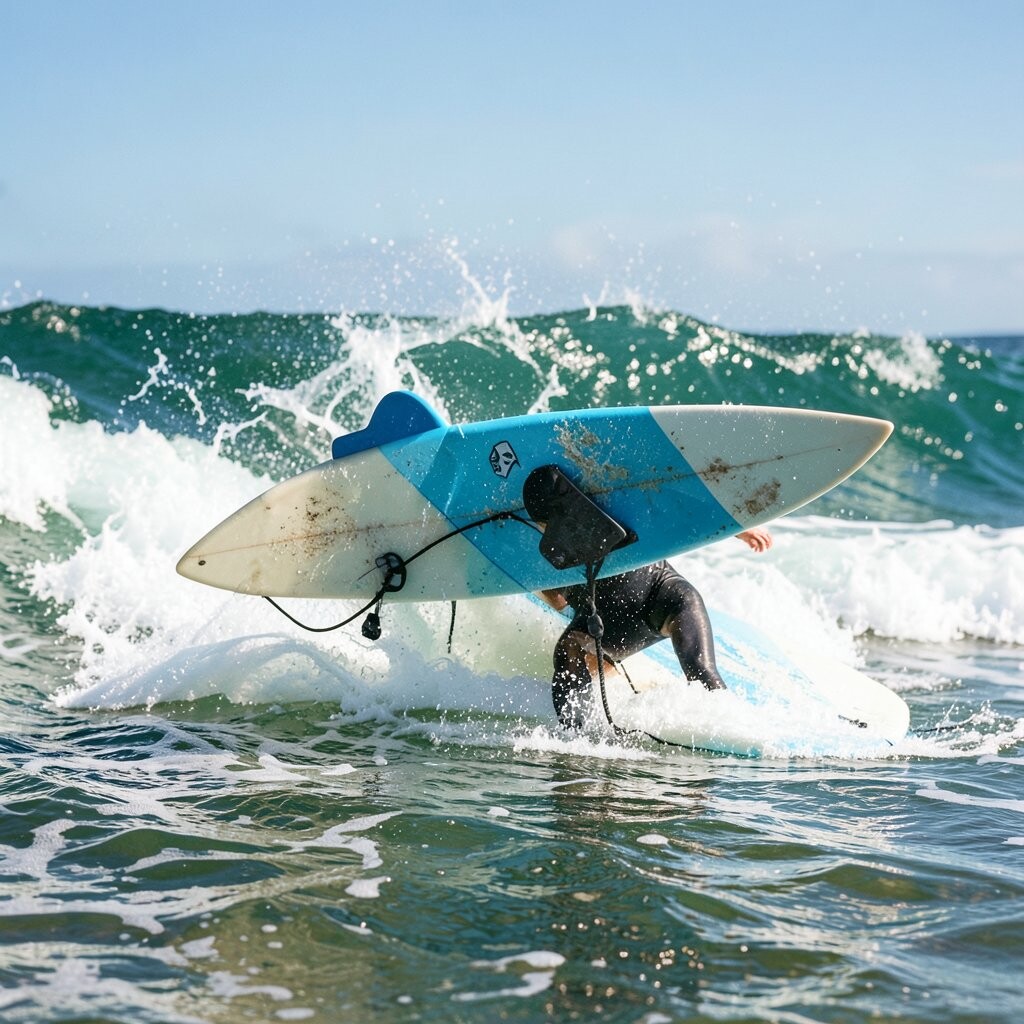
Shop staff often know the local breaks well. They may tell you which spots work best in the morning, which ones are crowded, and which ones are safer for your level.
This advice can help you pick the right board for the day. A board that feels great at one break may feel wrong at another with different tides or wind.
Local tips can also save time and gas. Instead of guessing, you can head to a spot that fits your board and the day’s surf.
11. Pick the Right Board for the Crowd and the Lineup
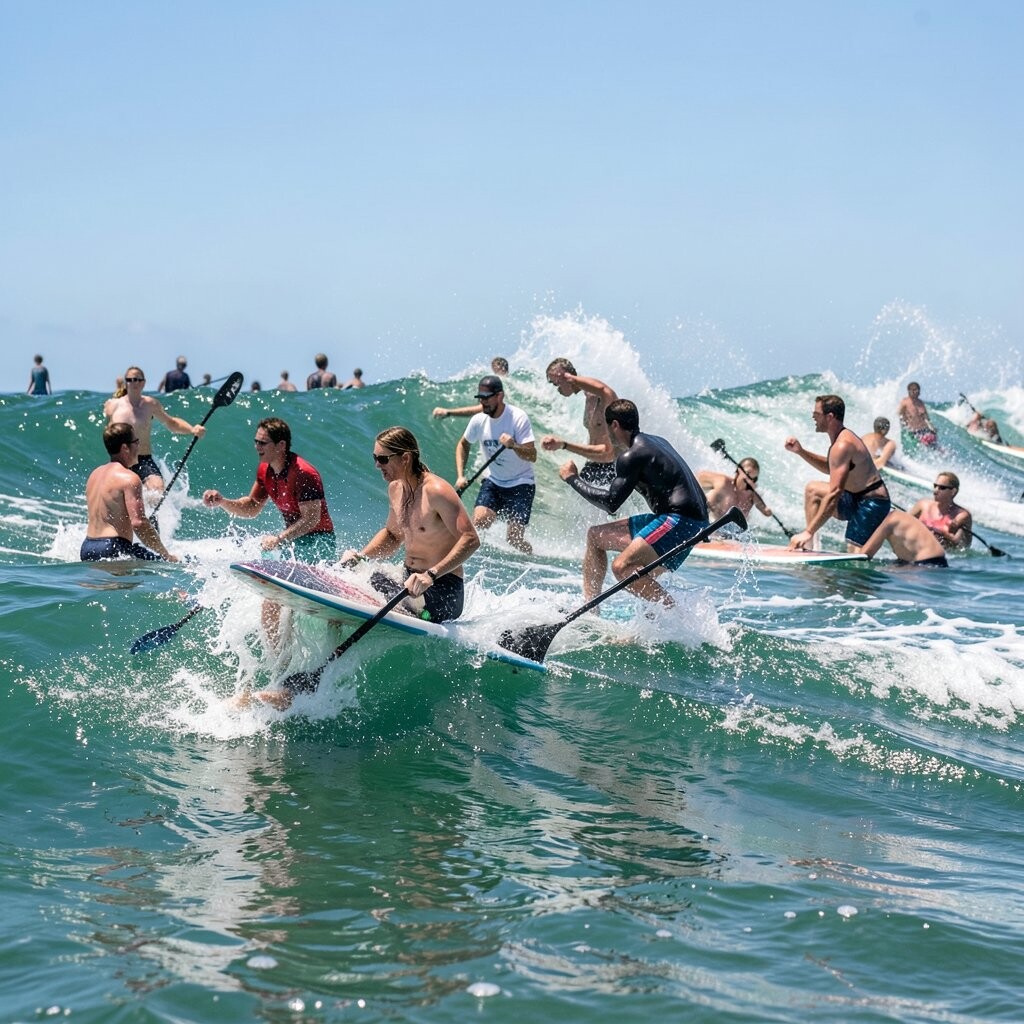
Some surf spots are busy, and board choice can affect how easy it is to move around. A board that is too big for a packed break may be hard to handle in a tight space.
In a crowded lineup, many surfers like boards that paddle well and catch waves early. That can help you get in position without rushing or cutting across others.
This is also where personal style matters. If you like calm, steady surfing, a board that gives you more control may feel better than one built for sharp moves.
12. Check the Rental Rules Before You Leave the Shop

Every rental place has its own rules. Some want the board back by a set time, while others care more about where you take it and how you store it.
Ask about damage fees, late fees, and what to do if the board gets lost or stolen. These details may seem small, but they can change the final cost a lot.
It also helps to ask if the shop gives support during the day. A place that is easy to reach can make your trip feel much less stressful.
13. Think About Style, Color, and Feel
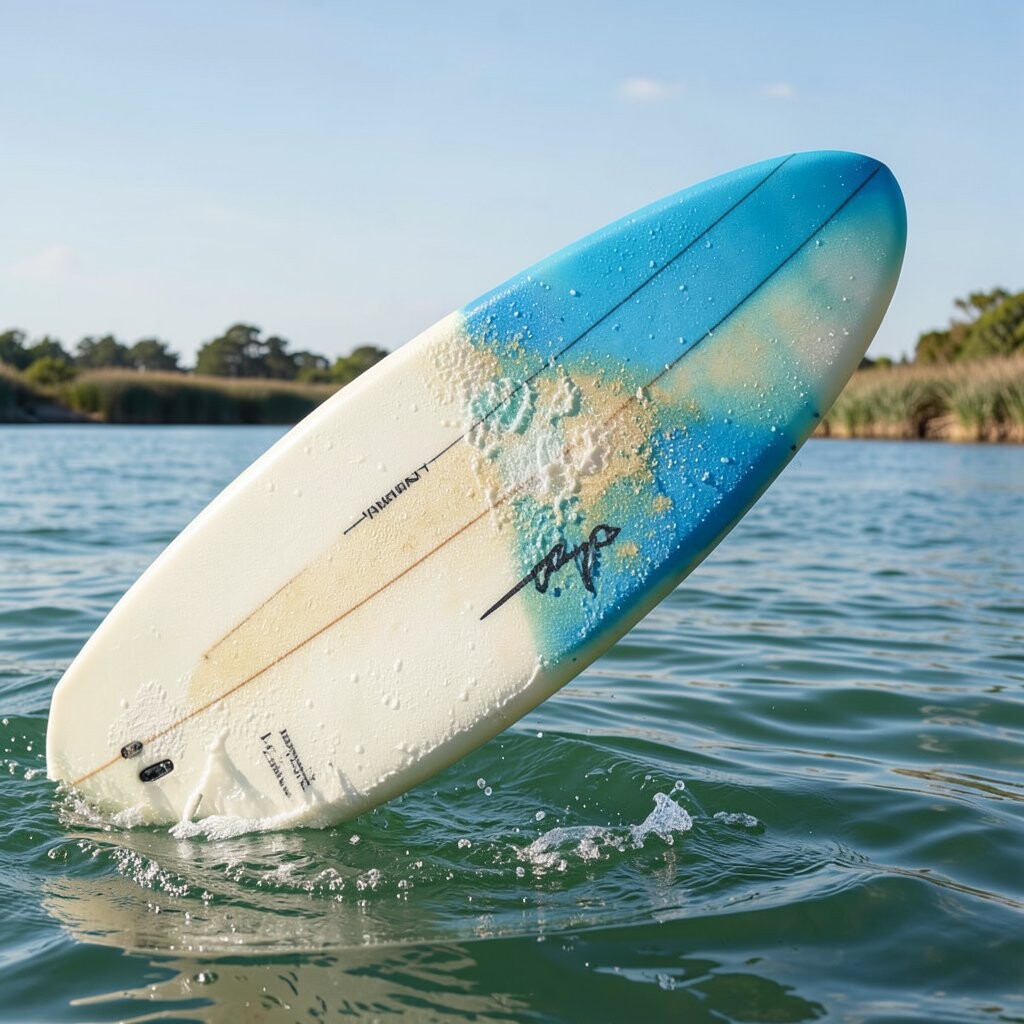
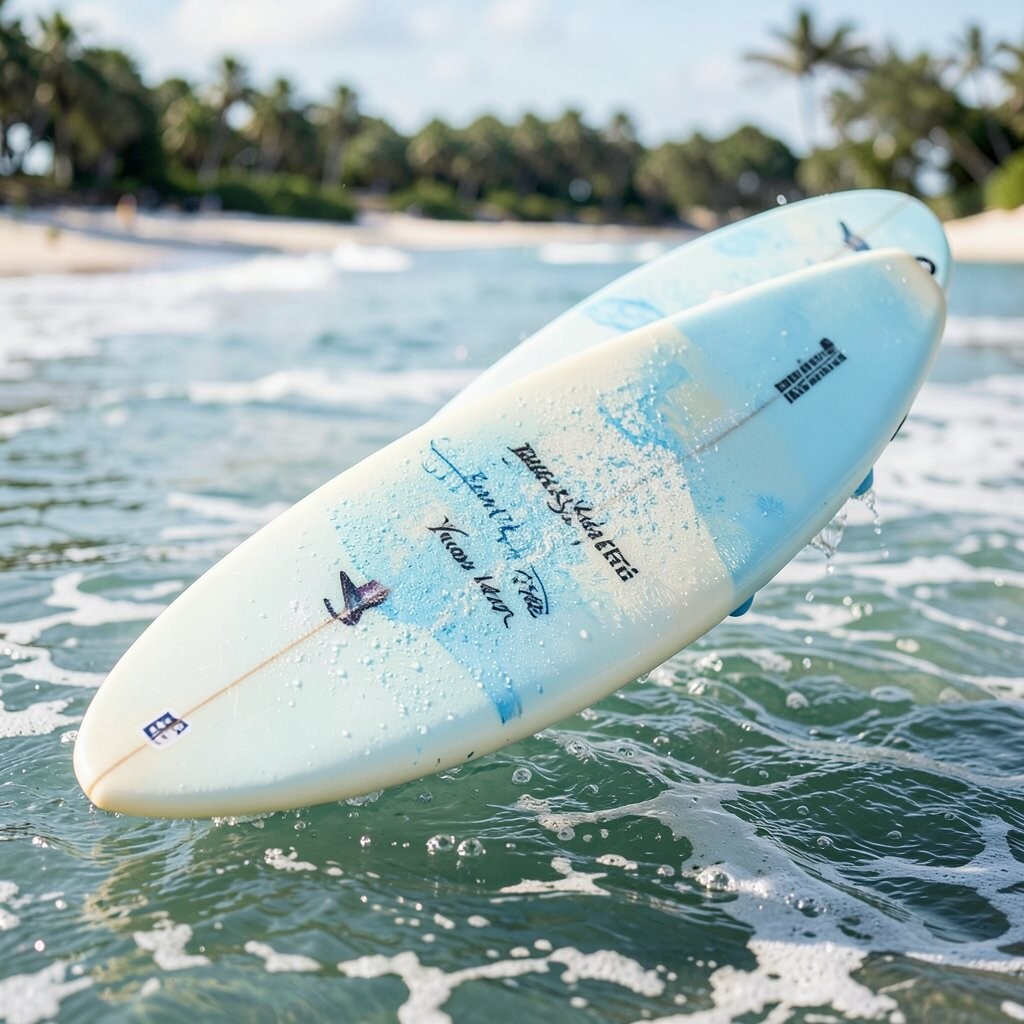
Board looks may seem like a small thing, but they can still matter. A bright board is easier to spot in the water, and a clean design can make the board feel more fun to use.
Some surfers like a classic white board, while others like bold colors or a retro shape. This kind of choice adds a bit of personal style to your trip.
Many rental shops now offer boards with modern shapes and eye-catching art, which shows a clear trend in surf travel. If you enjoy how a board looks, you may feel more excited to use it all day.
14. Save the Shop Contact for the Whole Trip

Before you head out, keep the shop phone number and address on your phone. If you need to change boards, ask a question, or fix a problem, it is much easier when the info is close by.
This can help if the board gets damaged, if you need a different size, or if weather changes your plan. Fast contact can save time and may help you avoid extra charges.
It is also smart to ask if the shop offers delivery, pickup, or multi-day deals. These options can make the rental process easier and sometimes lower the total cost for your surf trip.