
Small kitchens can feel tight, but good design can make them easier to use. Small changes in layout, light, and storage can help the room feel calm and neat.
-
Bad Layout That Blocks Movement
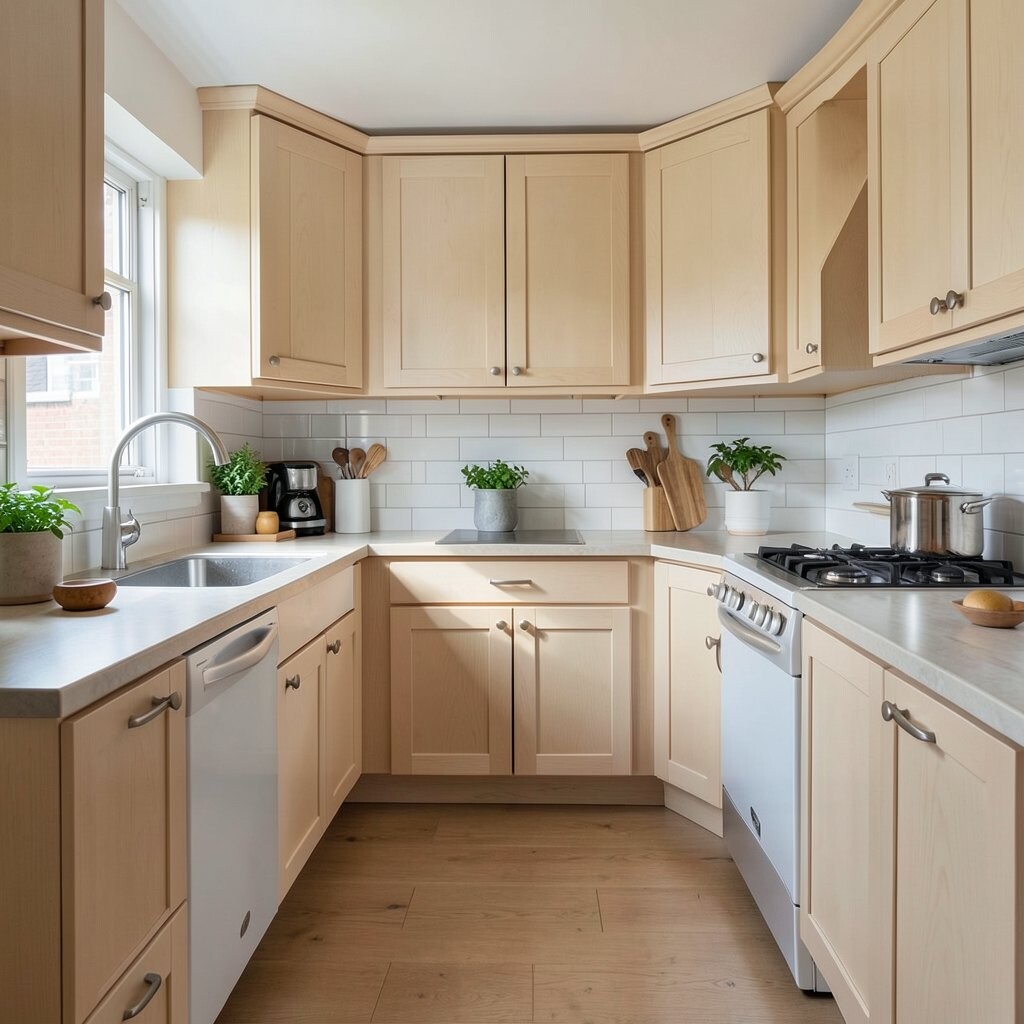
Bad Layout That Blocks Movement A kitchen can look fine on paper and still feel hard to use if the layout gets in the way. When doors, drawers, and walk paths clash, even simple tasks feel slow and messy.
Try to keep the sink, stove, and fridge in a clear work path. This helps you move with less effort and makes the room feel more open, even if the space is small.
A smart layout is one of the best ways to save time and reduce stress. It also helps the kitchen feel more unique because it fits the way you really cook, not just a common plan from a catalog.
Before you buy anything, stand in the room and picture each step of your day. That simple test can save money because it helps you avoid costly changes later.
-
Too Many Upper Cabinets
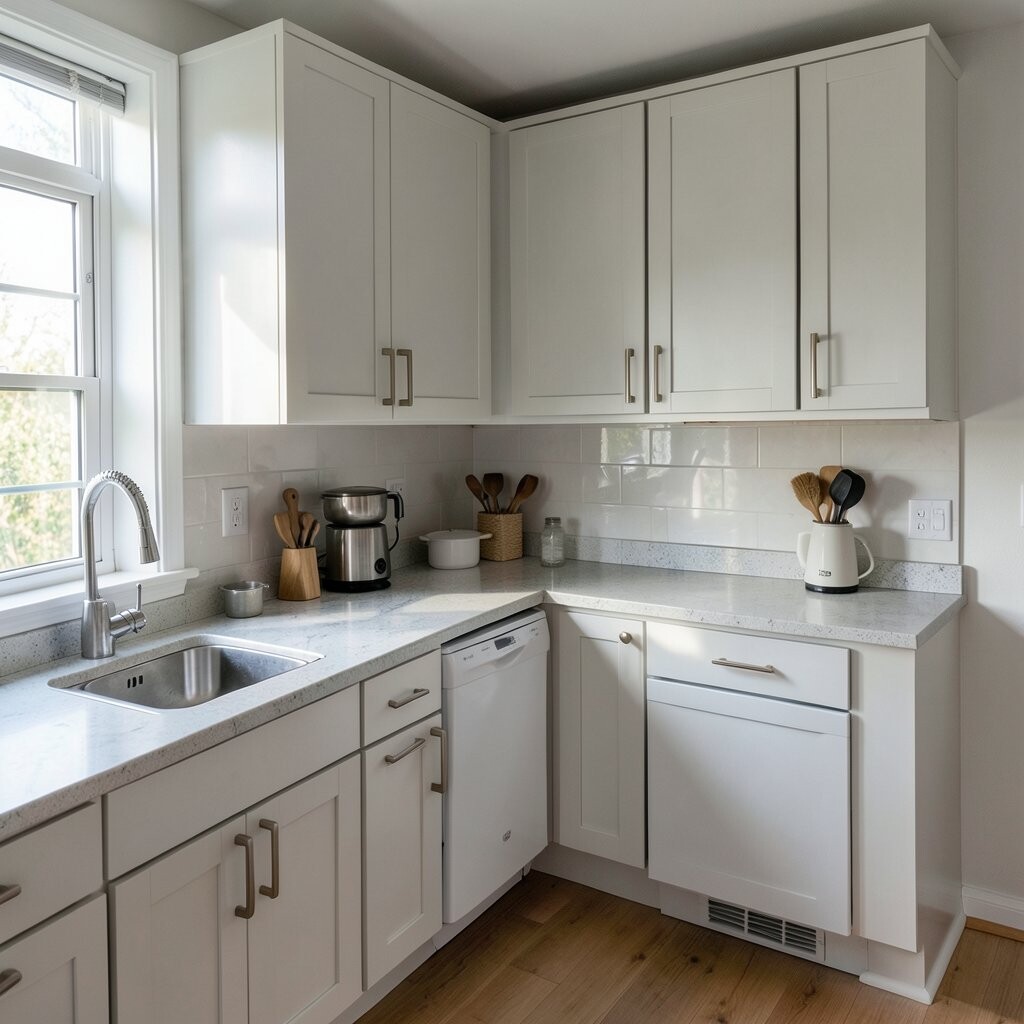
Too Many Upper Cabinets Upper cabinets can give a kitchen more storage, but too many can make the room feel closed in. The walls may look heavy, and the space can seem smaller than it is.
Open shelves, a few glass doors, or a mix of cabinet styles can help the room feel lighter. This is a common trend in many new homes because it gives a clean look without making the walls feel crowded.
Think about what you really need to store above eye level. If you keep only a few useful items there, the kitchen can look less busy and be easier to clean.
Cabinets can cost a lot, so using fewer of them may help your budget. You can spend that money on better drawer inserts, good lights, or a nicer sink instead.
-
Poor Lighting That Makes Everything Feel Dark
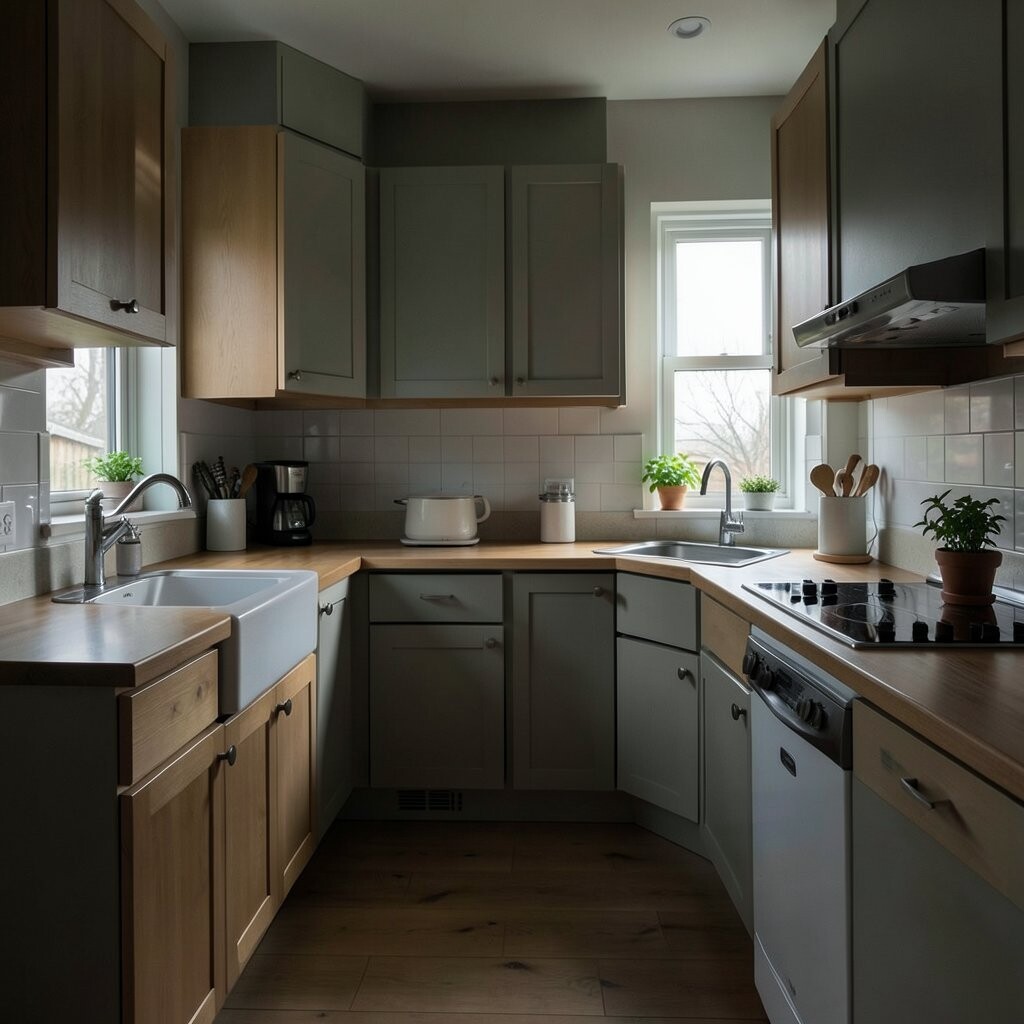
Poor Lighting That Makes Everything Feel Dark Dark kitchens can feel smaller and harder to use. If you cannot see your counters well, cooking and cleaning take more effort than they should.
Use a mix of ceiling lights, under-cabinet lights, and maybe a small lamp or two if the space allows it. This gives the room a bright, clean look and helps you work with more comfort.
Good light also helps show the real colors of your food, dishes, and walls. That can make the kitchen feel more personal and more pleasant to be in each day.
If you want to save money, start with one simple light change at a time. LED strips under cabinets are often low cost and can make a big difference without a full remodel.
-
Using Dark Colors Everywhere
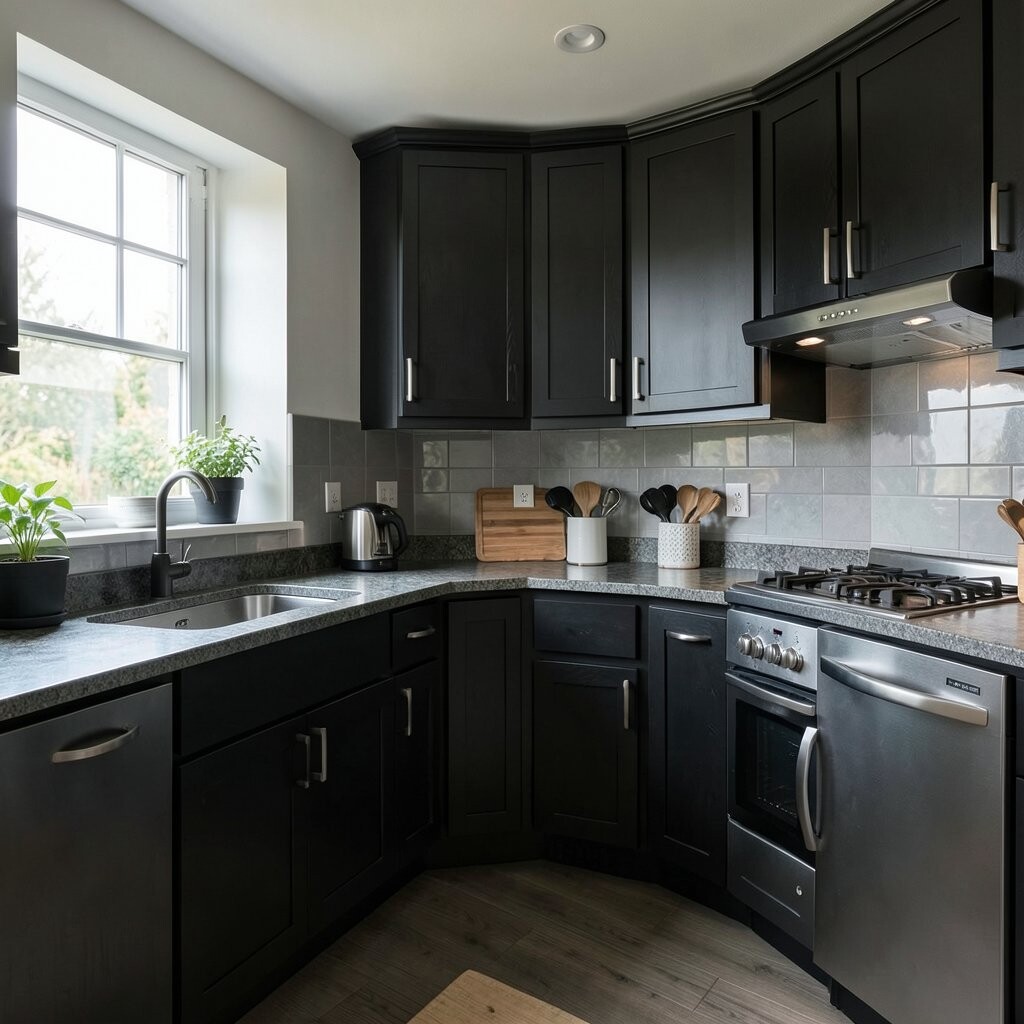
Using Dark Colors Everywhere Dark colors can look nice, but too much of them in a small kitchen can make the room feel tight. Heavy cabinets, dark walls, and dark counters can soak up light and make the space seem smaller.
Lighter shades often help a small room feel open and fresh. White, soft gray, pale wood, or warm cream can make the kitchen look calm without feeling plain.
You do not have to avoid dark color fully. A dark stool, a small rug, or a few black handles can add style in a simple way and keep the room from looking flat.
This kind of mix is popular now because it feels clean and easy to live with. It also lets you change the mood later without spending much on a full redo.
-
No Clear Counter Space
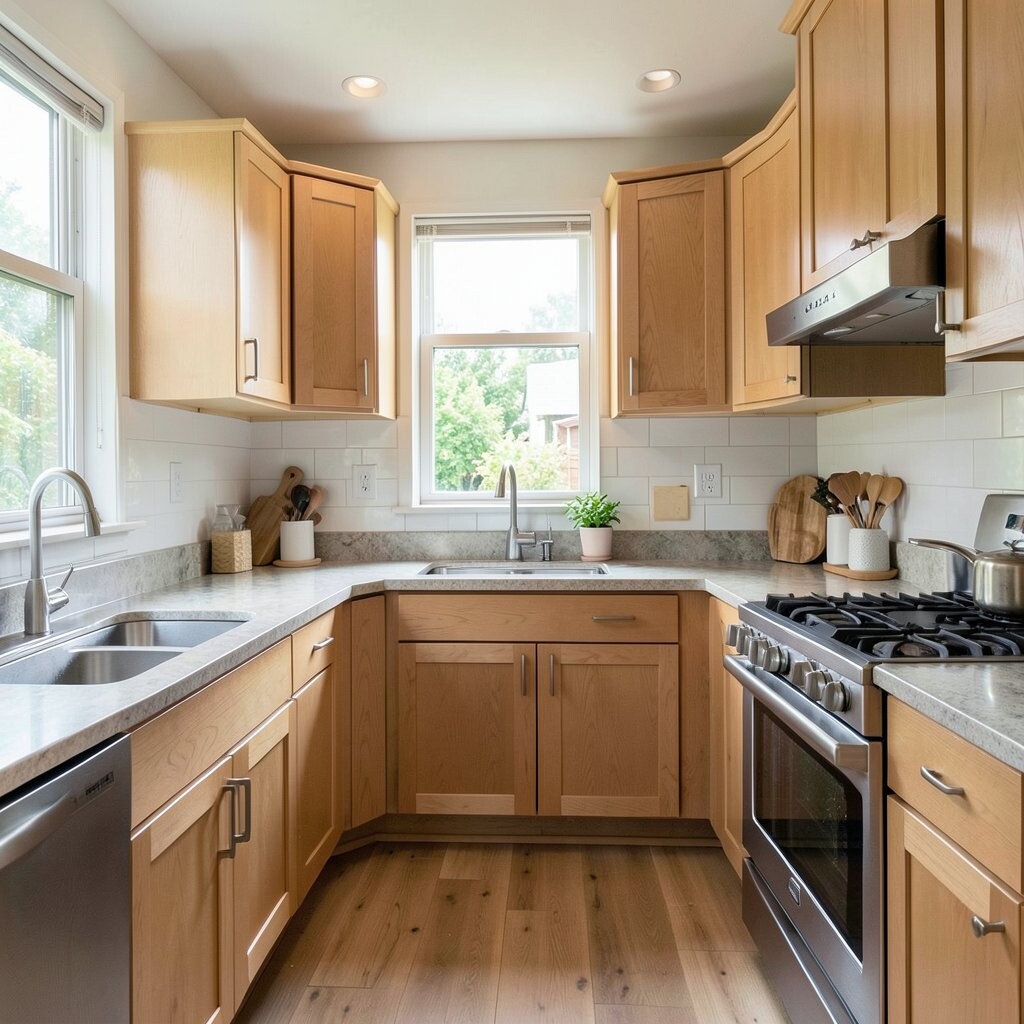
No Clear Counter Space A small kitchen needs clear counter space more than almost anything else. If every inch is covered with tools, mail, or small appliances, the room can feel crowded and hard to use.
Keep only the items you use often on the counter. This makes cleaning faster and gives you room to chop, mix, and set things down without stress.
One neat counter can change the whole feel of the room. It makes the kitchen look more open and gives it a more personal style because the space feels cared for.
If your budget is tight, use wall hooks, drawer trays, or a small cart to free up space. These simple tools often cost less than new cabinets and can work very well.
-
Ignoring Vertical Space
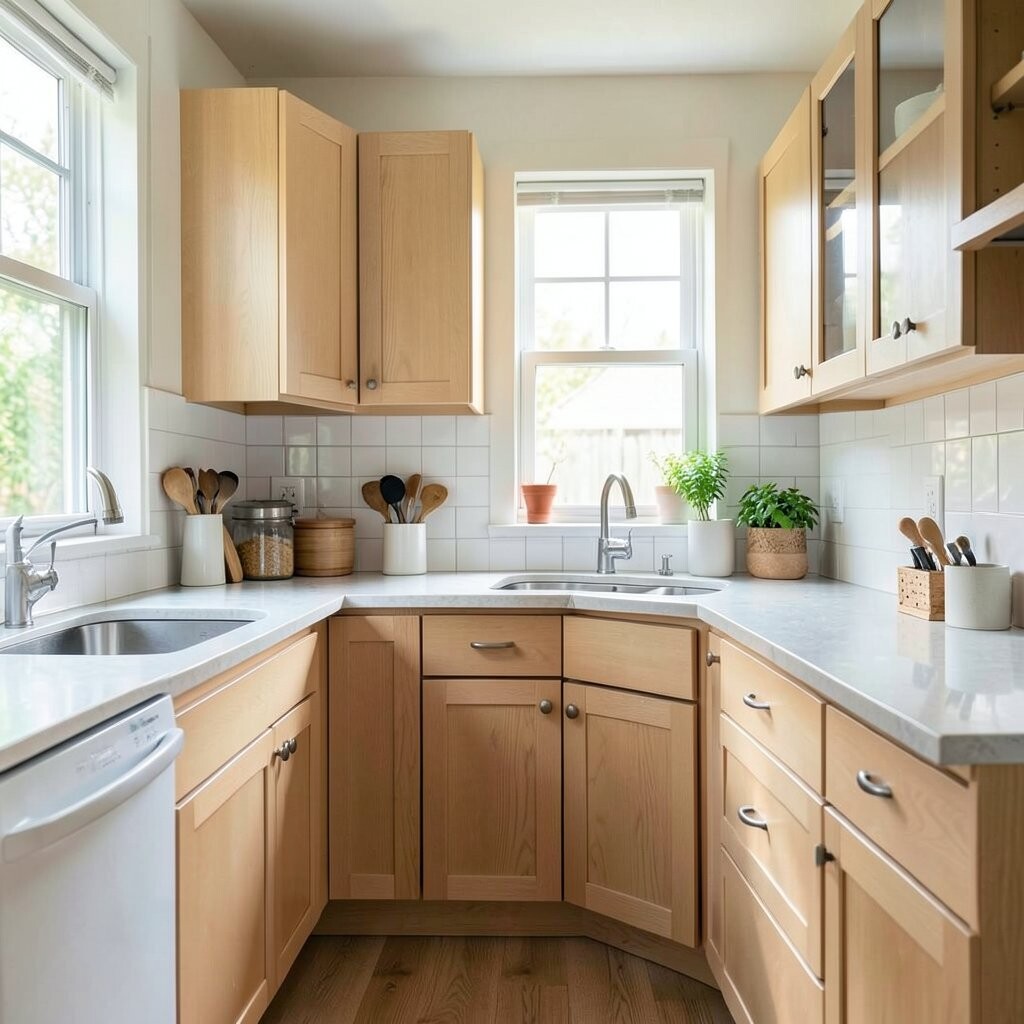
Ignoring Vertical Space Many small kitchens waste good wall space. When the room is short on floor area, the walls can do a lot of the work.
Use tall shelves, slim racks, hanging rails, or hooks to hold pans, cups, and tools. This can make the kitchen feel more organized and can also give it a more current look.
Vertical storage is useful because it keeps things near your hands without taking up the counter. It can also help you sort items in a way that fits how you cook each day.
Some wall storage pieces are low cost and easy to add later. That makes them a smart choice for renters or anyone who wants a simple update without much work.
-
Choosing Oversized Appliances
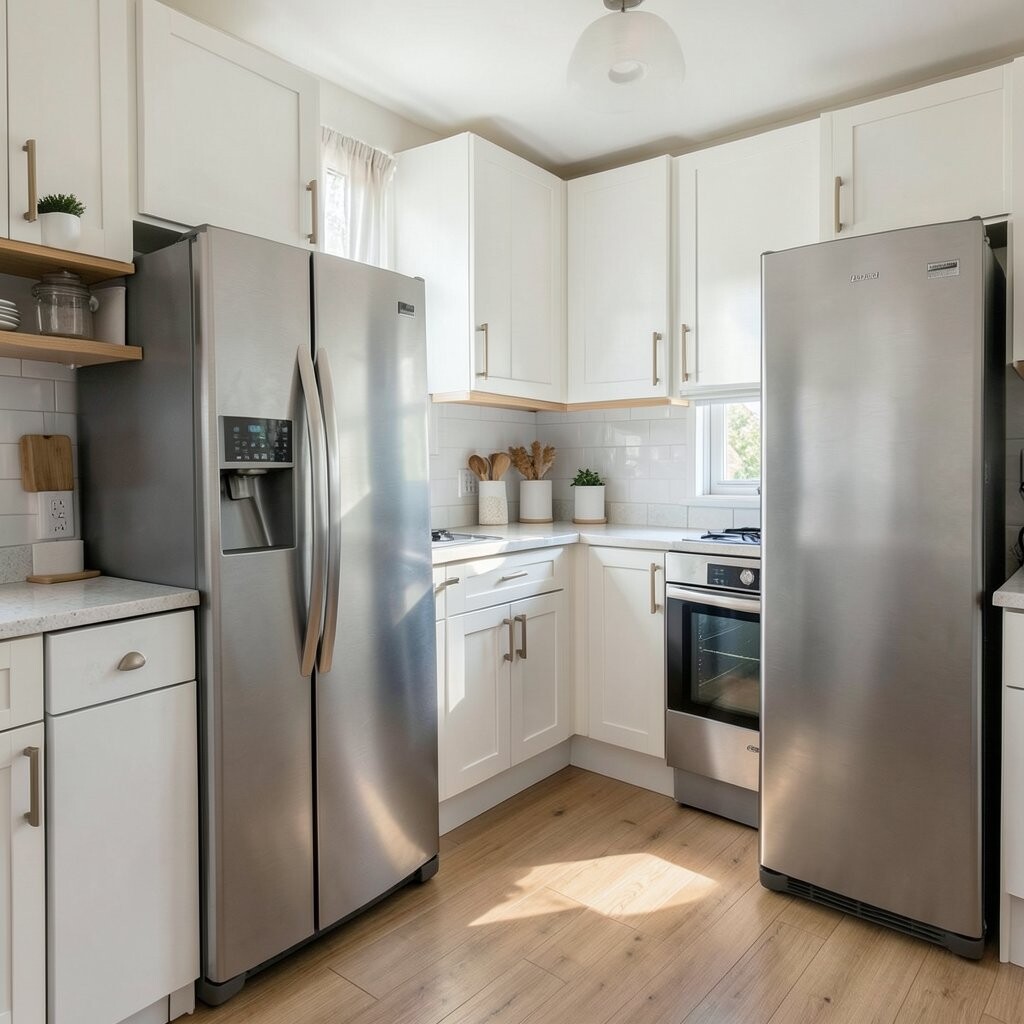
Choosing Oversized Appliances Big appliances can be a bad fit in a small kitchen. A wide fridge or large range may leave too little room to move, open doors, or place things on the counter.
Look for slim or compact models that still meet your needs. Many brands now make smaller appliances with clean lines and smart features, so you do not have to give up style.
The right size can make the room feel more balanced and easier to use. It can also help the kitchen look more neat because the appliances do not crowd the space.
Smaller appliances can cost less to buy and may use less energy too. That can help both your wallet and your monthly bills over time.
-
Forgetting About Drawer Storage
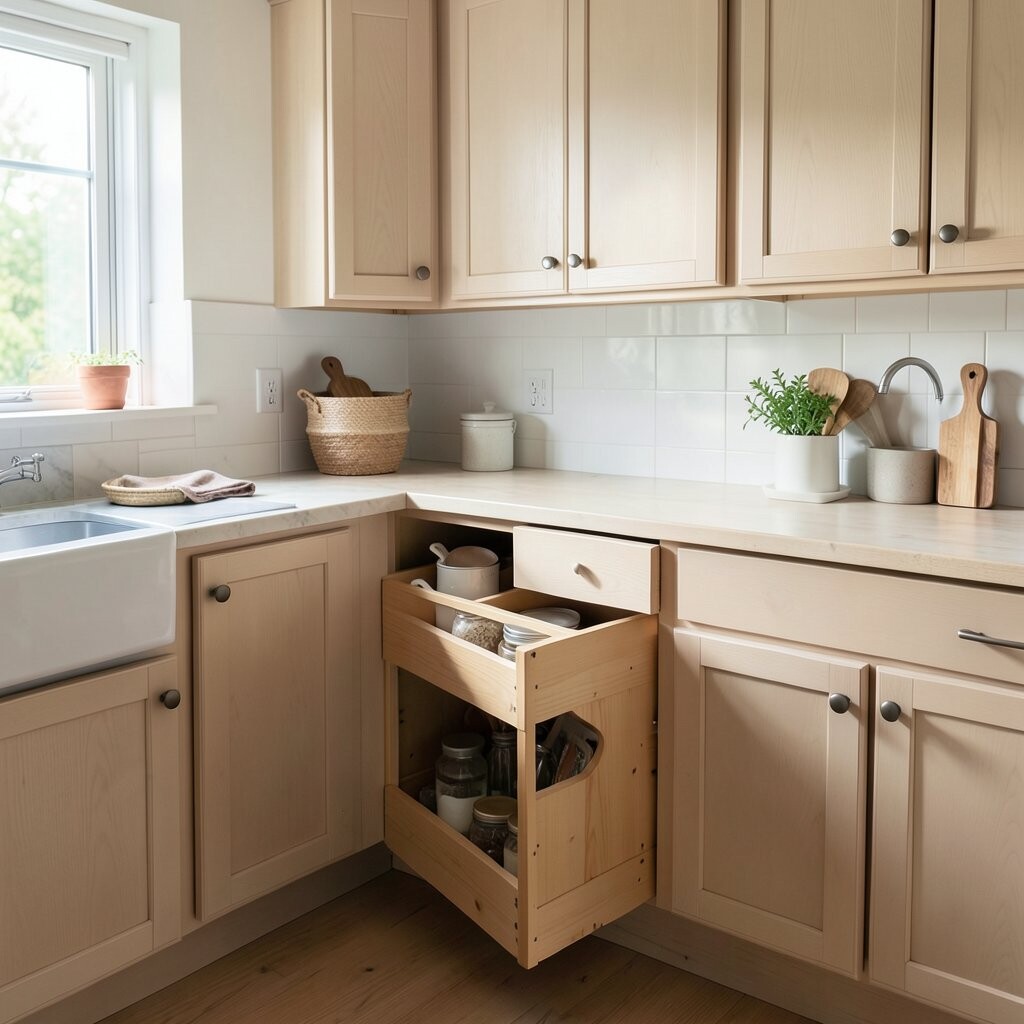
Forgetting About Drawer Storage Cabinets are common, but drawers can be much better in a small kitchen. Deep drawers make it easier to reach pots, pans, and dishes without bending or digging in the back.
Drawer storage also helps you keep things in order. You can sort tools by type, which makes the kitchen feel more calm and saves time when you cook.
This setup can look clean and modern, which fits many current kitchen trends. It also feels more personal because you can set it up to match the way you use each item.
Good drawer inserts may cost a little more at first, but they often pay off in daily ease. If you want a simple fix, start with one deep drawer for your most used items.
-
Picking Busy Patterns That Overload the Room
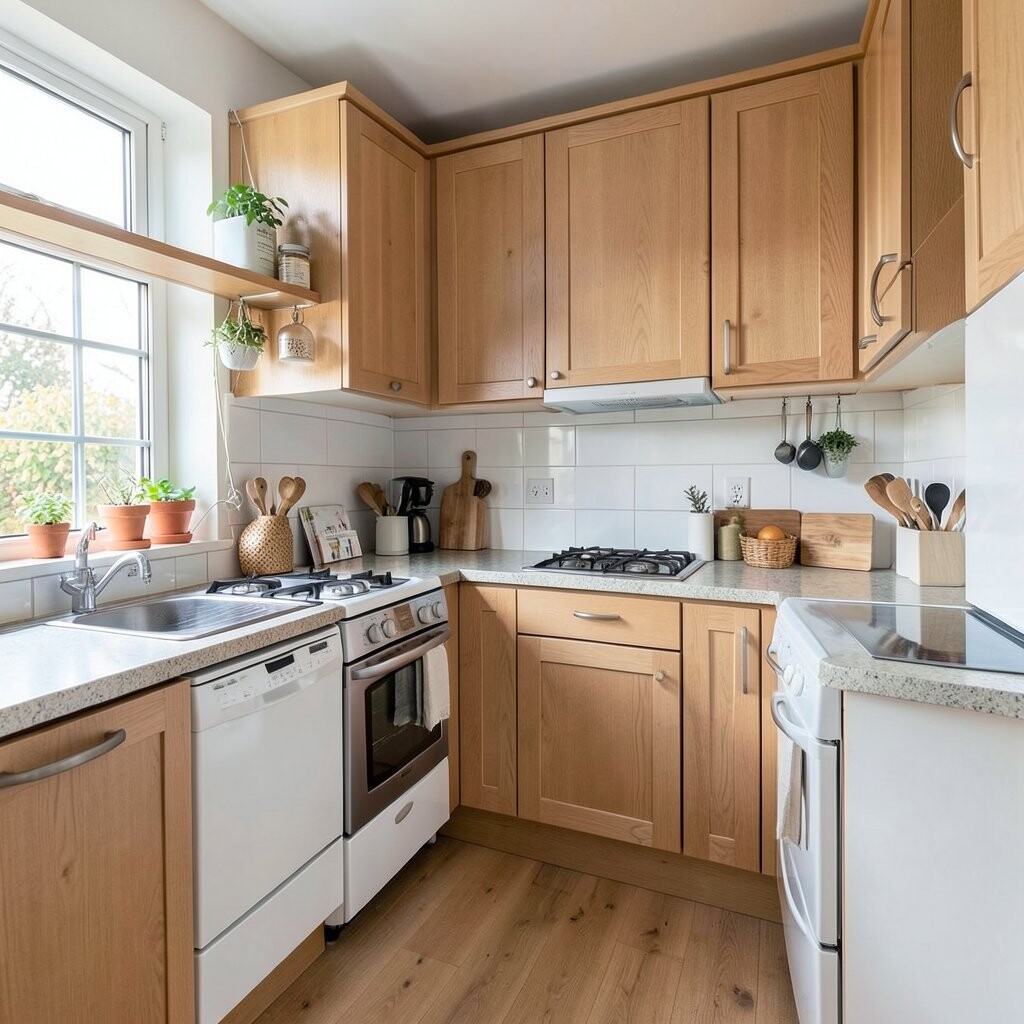
Picking Busy Patterns That Overload the Room Bold patterns can be fun, but too many of them can make a small kitchen feel noisy. Busy tile, loud wallpaper, and strong prints may pull the eye in too many ways.
Try one pattern at a time and keep the rest of the room simple. A patterned rug, a tile strip, or a small backsplash can add charm without making the space feel packed.
This kind of careful mix gives the kitchen a more unique look. It also helps the room feel easy to live in, which matters more than following every trend at once.
If you are on a budget, use pattern in small areas where it has the most effect. That way you get style without paying for a full wall or floor change.
-
Not Using Light-Reflecting Surfaces

Not Using Light-Reflecting Surfaces Flat, dull finishes can make a small kitchen feel heavier than it is. Surfaces that catch light, such as glossy tile, glass, or polished metal, can help the room feel brighter.
You do not need a shiny kitchen everywhere. Even a few light-catching details can make the room look cleaner and more open in a simple way.
This works well with many styles, from modern to classic. It also gives the room a fresh look that feels easy to enjoy day after day.
Reflective pieces can be found at many price points, so you do not need a large budget. A mirror, a glass cabinet door, or a bright backsplash can do a lot with little cost.
-
Leaving No Room for Small Seating
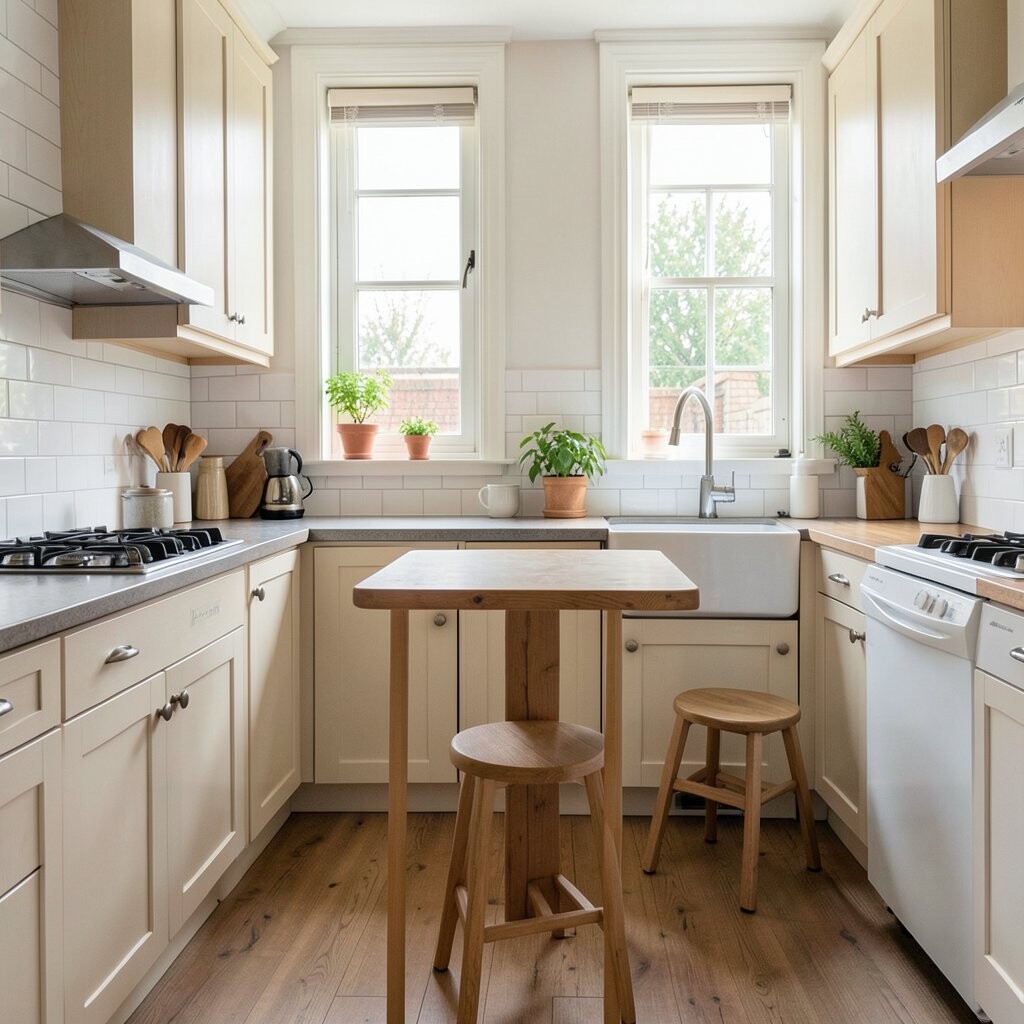
Leaving No Room for Small Seating Even a tiny kitchen can feel more useful with a small place to sit. Without it, the room may feel like only a work zone and not a part of the home.
A slim stool, fold-down seat, or small bistro table can add comfort without taking over the floor. This can make the kitchen feel more personal and more welcoming for daily use.
Seating can also help with quick meals, homework, or chatting while you cook. That extra use makes the room feel worth more, even if it is small.
Look for pieces that fold, stack, or tuck away when not in use. These tend to fit current trends and can often be found at a fair price.
-
Using Too Many Small Decor Items

Using Too Many Small Decor Items Small decor can be nice, but too many tiny pieces can make a kitchen feel cluttered. When every shelf has a different object, the eye has no place to rest.
Choose a few items that mean something to you and leave space around them. A simple bowl, a framed print, or one plant can add warmth without filling the room.
This helps the kitchen feel more open and easier to clean. It also gives the room a more personal style because each item can have a clear purpose.
If you want a fresh look without spending much, swap out decor by season instead of adding more all year. That keeps the space from feeling crowded and helps you use what you already have.
-
Not Planning for Trash and Recycling
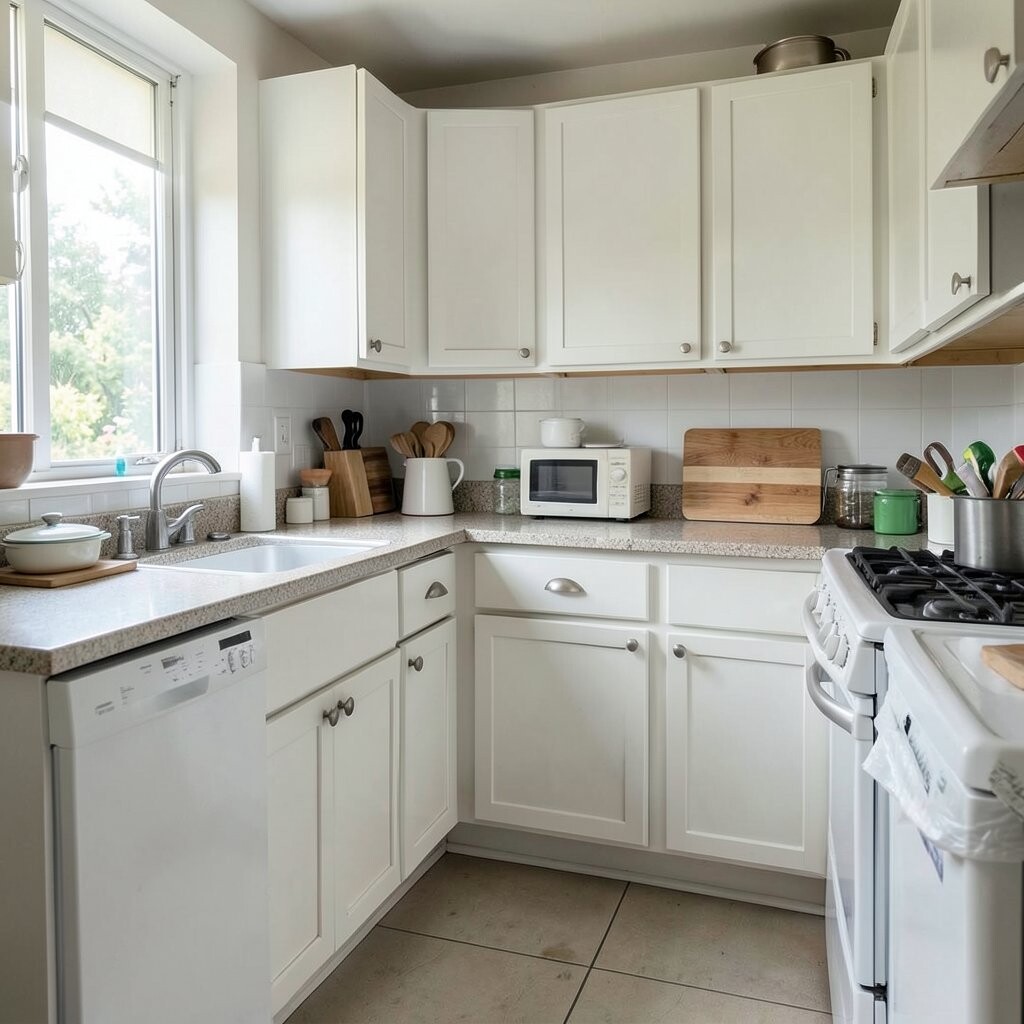
Not Planning for Trash and Recycling Trash and recycling bins are easy to forget, but they matter a lot in a small kitchen. If they sit in the wrong spot, they can block movement and make the room feel messy.
Try a pull-out bin, a slim bin under the sink, or a hidden corner spot. This keeps the room neat and helps the kitchen look more finished and put together.
Good waste storage also makes cooking easier because you can toss scraps fast. That simple change can save time and keep the counter cleaner while you work.
Some pull-out systems cost more, but there are low cost bins that fit well in small spaces too. Pick the one that matches your layout and your daily habits.
-
Copying Trends Without Thinking About Use
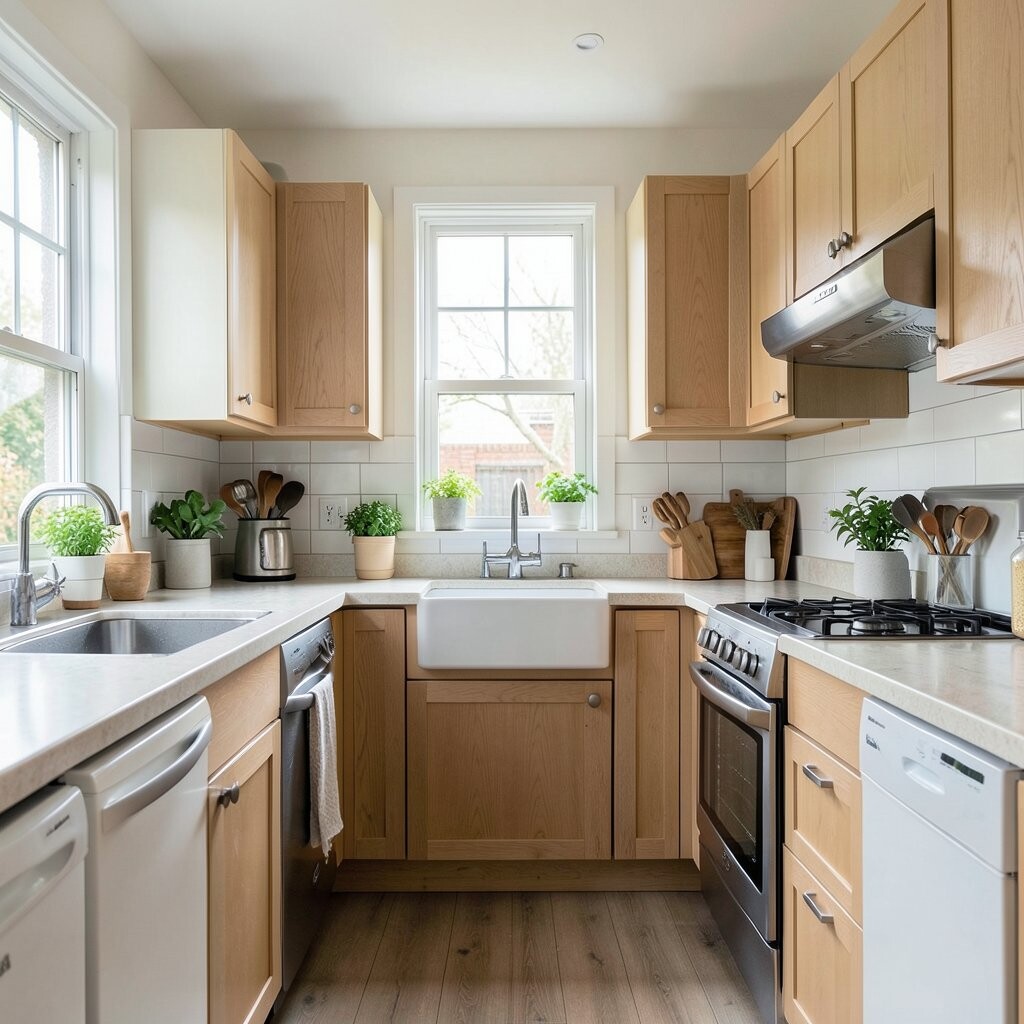
Copying Trends Without Thinking About Use Trends can be fun, but not every trend works in a small kitchen. A style that looks good online may not fit your space, your habits, or your budget.
Use trends as a guide, not a rule. A fluted cabinet front, mixed metals, or open shelving may work well if it also helps the room stay easy to use.
The best kitchens feel right for the people who use them. That means your own needs should matter more than a style that may fade in a year or two.
Before you spend money, ask if the change will help with storage, light, or daily work. If it does not, it may be better to keep things simple and use the money on a better fix.