Summer travel can be kind to the planet when you make simple, smart choices. These ideas can help you enjoy warm days, save money, and keep your trip calm and easy.
1. Stay at an Eco-Lodge Near Nature
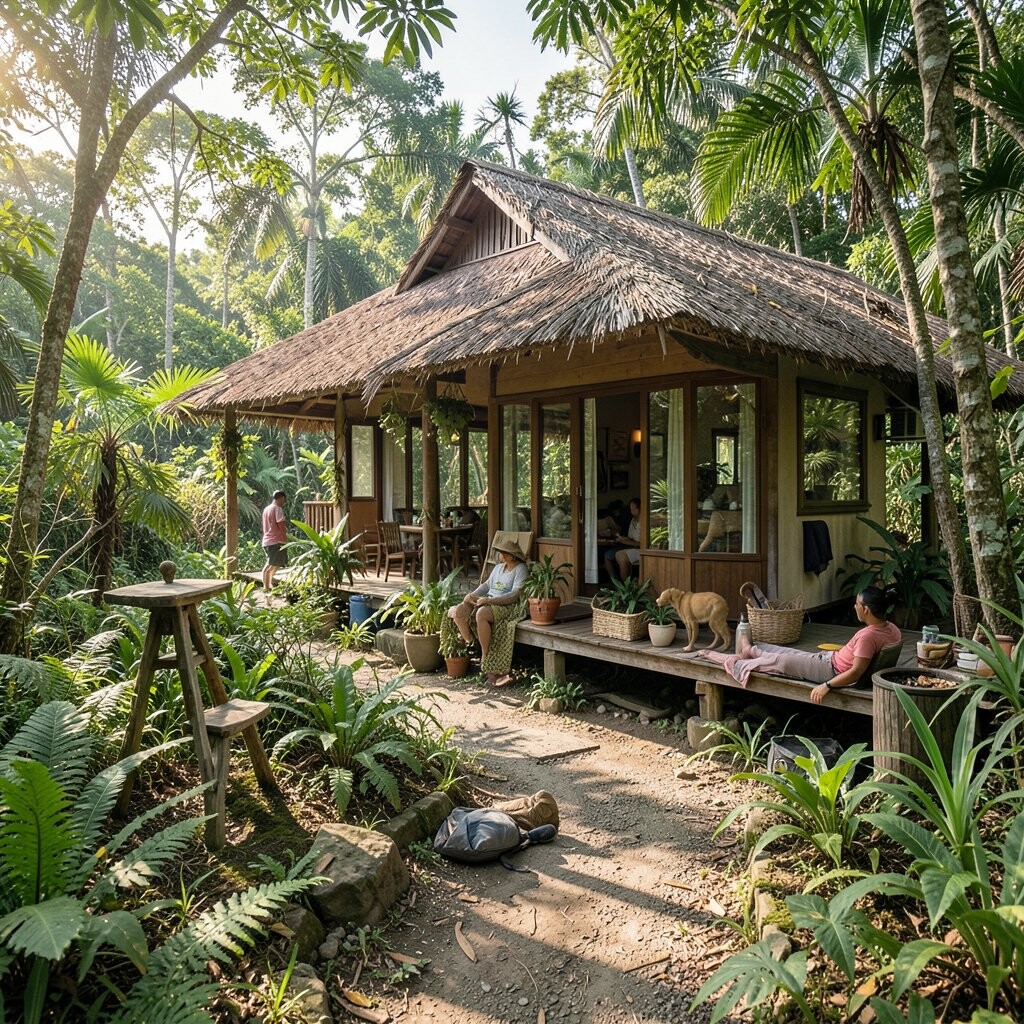
An eco-lodge often sits near trees, water, or open land, so the view feels calm right away. Many of these places use less energy, save water, and keep waste low, which can make your stay feel lighter on the earth.
This kind of trip can be a good fit if you want fresh air and a slower pace. It can also cost less than a fancy resort, and some lodges offer local food, bike use, or simple rooms that still feel nice.
Try to pick a place that shares clear rules about recycling, water use, and local hiring. If you want a more personal stay, ask for a room with shade, a fan, or a porch so you can enjoy the summer air without using too much power.
2. Take a Train Trip Instead of Flying
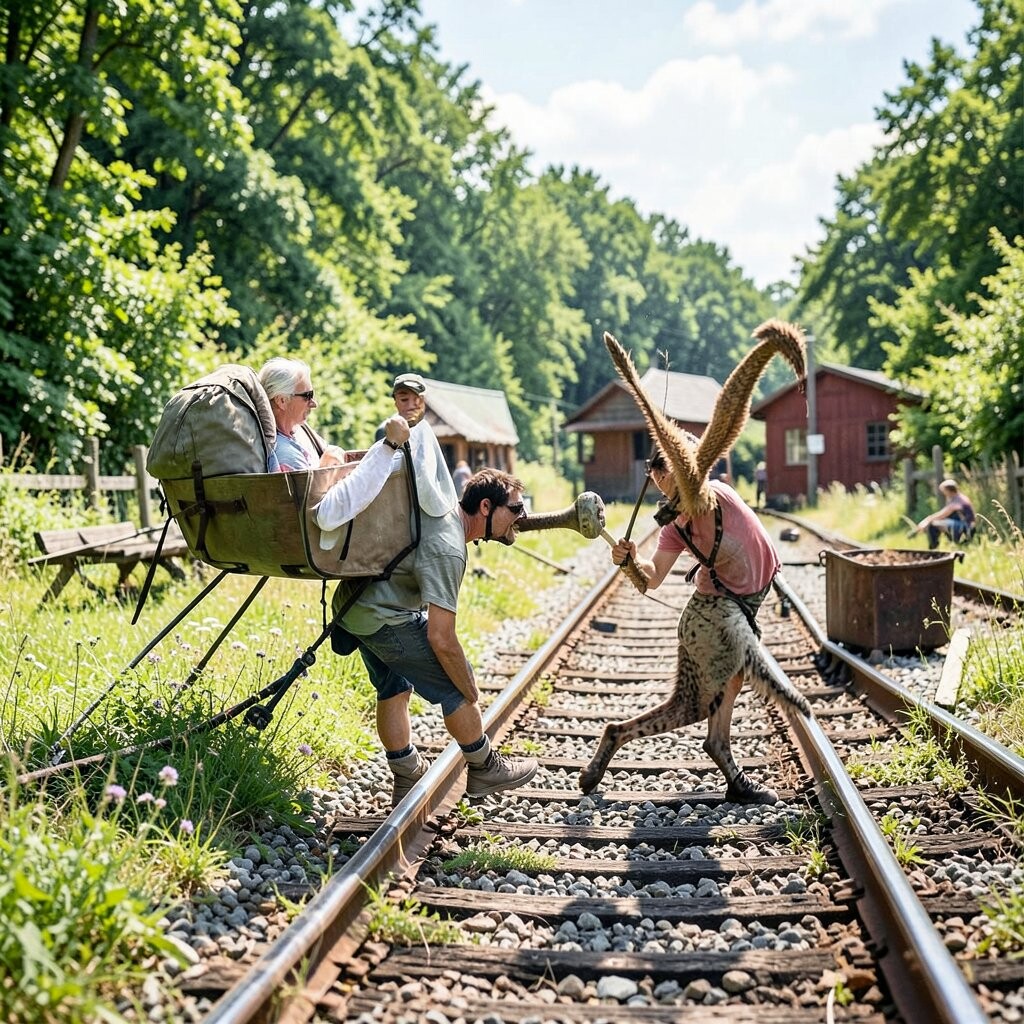
A train ride can be a good way to see long fields, small towns, and wide rivers without the rush of an airport. The seats are often roomy, and you can walk around, read, or look out the window while the trip moves along.
Train travel can help cut down on travel pollution, which is a big plus for people who care about the planet. It can also save money if you book early, and you may not need to pay for checked bags or extra transport to and from far airports.
For a better trip, pack snacks, a refillable bottle, and a light bag so moving around is easy. Many travelers now like rail trips because they feel more relaxed and let them see more of the land in a simple way.
3. Go Camping With Low-Waste Gear
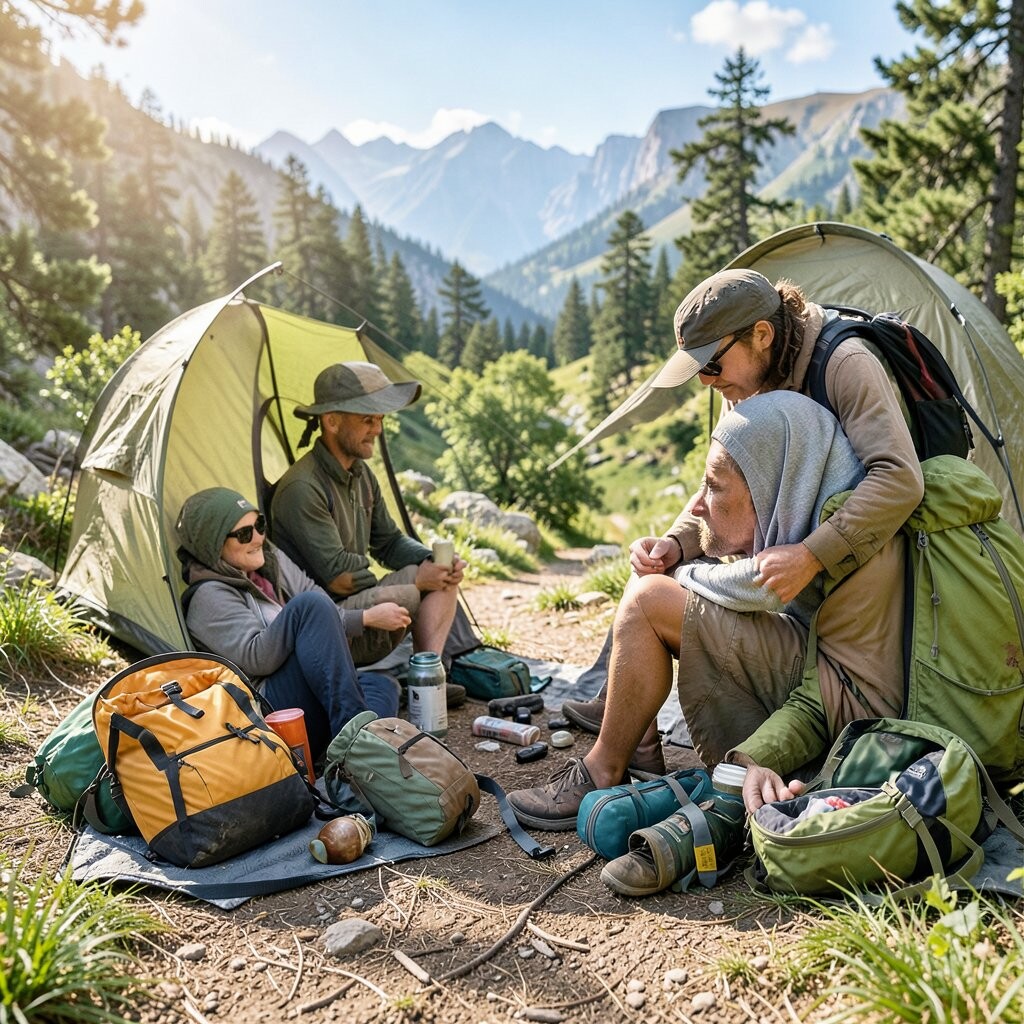
Camping can feel close to nature in a very direct way, with trees, stars, and morning light all around you. A low-waste camp setup can keep your trip neat and simple, with reusable plates, cloth towels, and gear that lasts a long time.
This choice is often cheaper than hotels, which is great for summer trips on a budget. It also gives you more freedom to choose a quiet lake, a forest site, or a beach camp spot that matches your style.
Bring gear that you can use again and again, like a solar light, a metal cup, and a strong water bottle. If you want more comfort, pick a tent with good shade and airflow so hot nights feel easier.
4. Book a Farm Stay in the Countryside
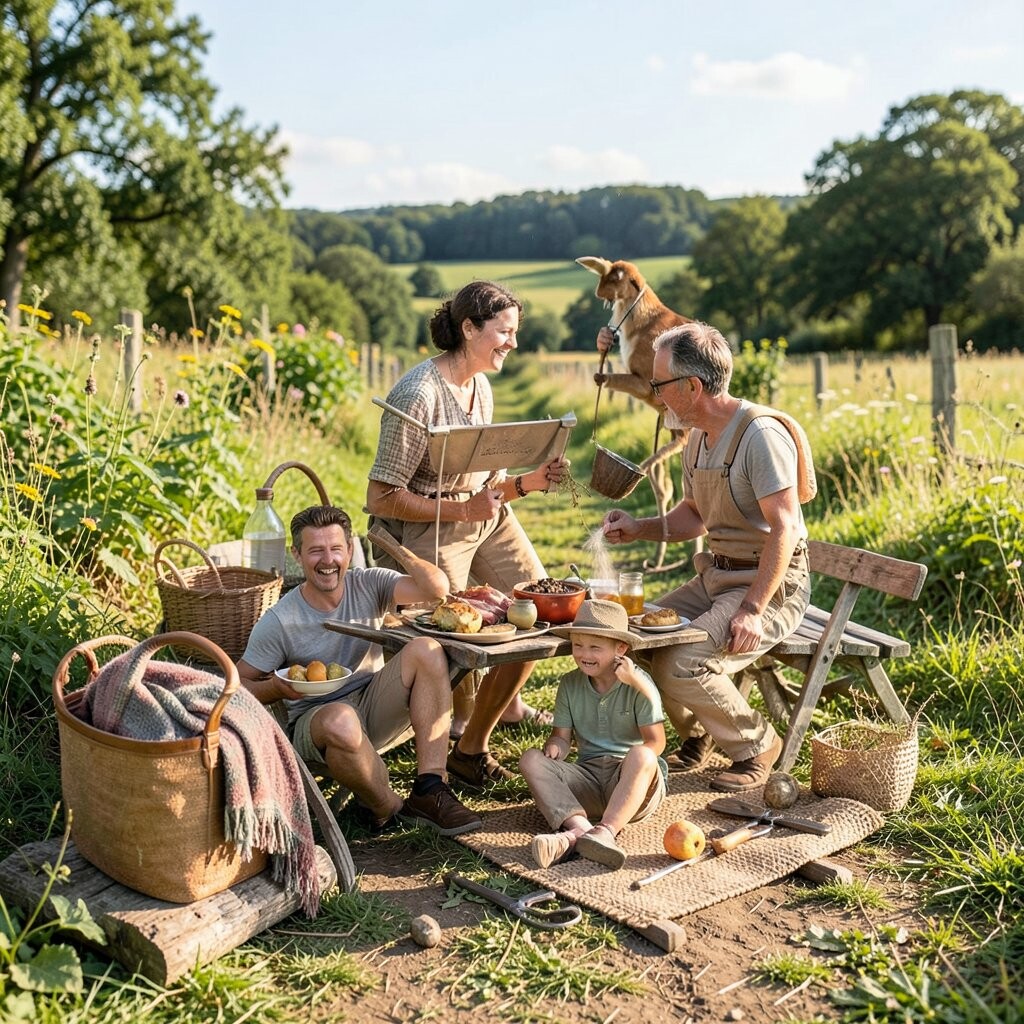
A farm stay can give you a simple view of green fields, barns, and fresh food growing nearby. Many farms let guests help with light chores, meet animals, or just enjoy a quiet place far from busy streets.
This type of travel can support local families and small food makers, which helps keep money in the area. It can also be more personal than a hotel, since farm hosts often share local tips and home-cooked meals.
If you like fresh fruit, garden walks, or early morning bird sounds, this may be a good match for you. Ask about farm rules before you go, so you know what to wear, what to bring, and how to act around animals and crops.
5. Use a Bike to Get Around Town
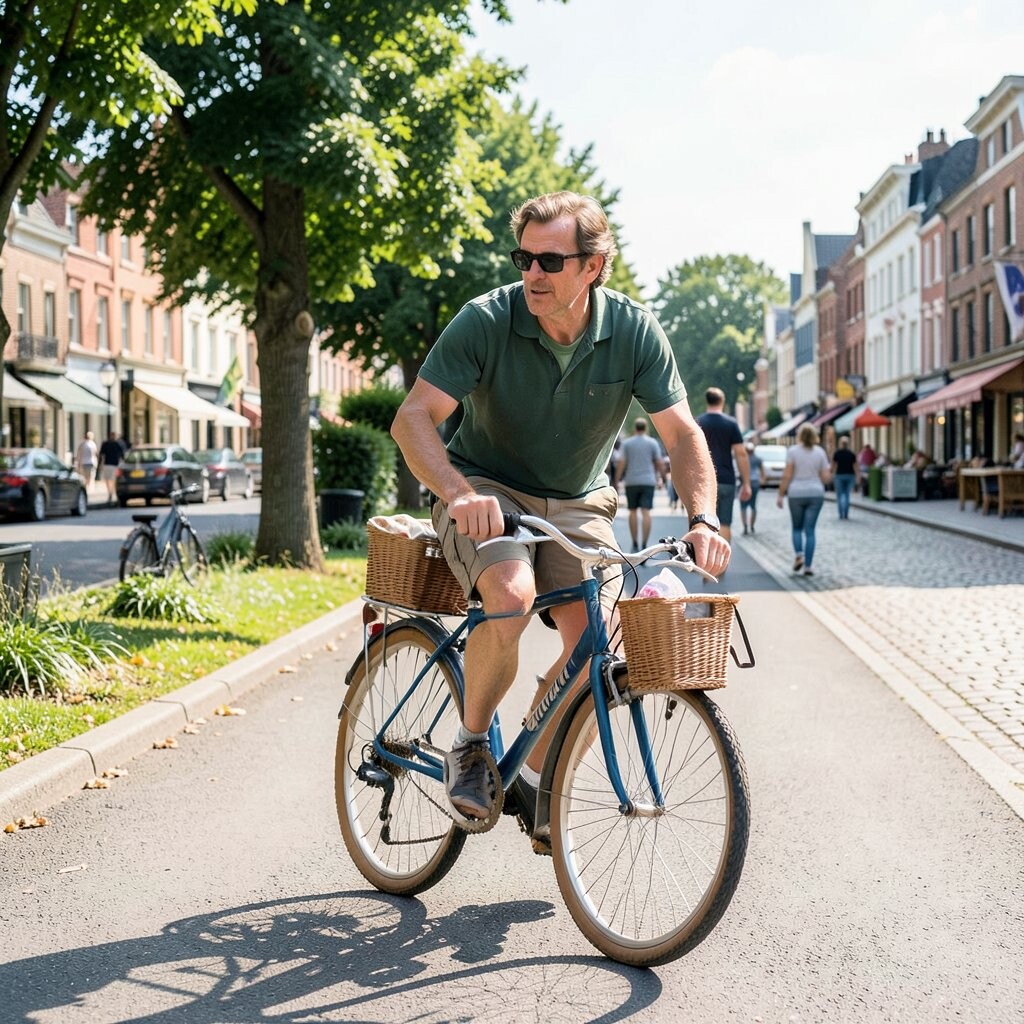
Riding a bike in summer can feel simple and free, with the wind on your face and the city or town moving by at a calm pace. You can stop for ice cream, take photos, or visit a park without worrying much about fuel or parking.
Bikes are a low-cost way to travel, and many places now have bike lanes, rentals, and shared bikes for visitors. They also help cut traffic and air pollution, which makes them a smart pick for eco-minded travelers.
Wear a helmet, carry water, and choose routes with shade when you can. If you want a more personal trip, use a map to find small cafes, local shops, and quiet streets that most car riders miss.
6. Join a Beach Clean-Up Trip
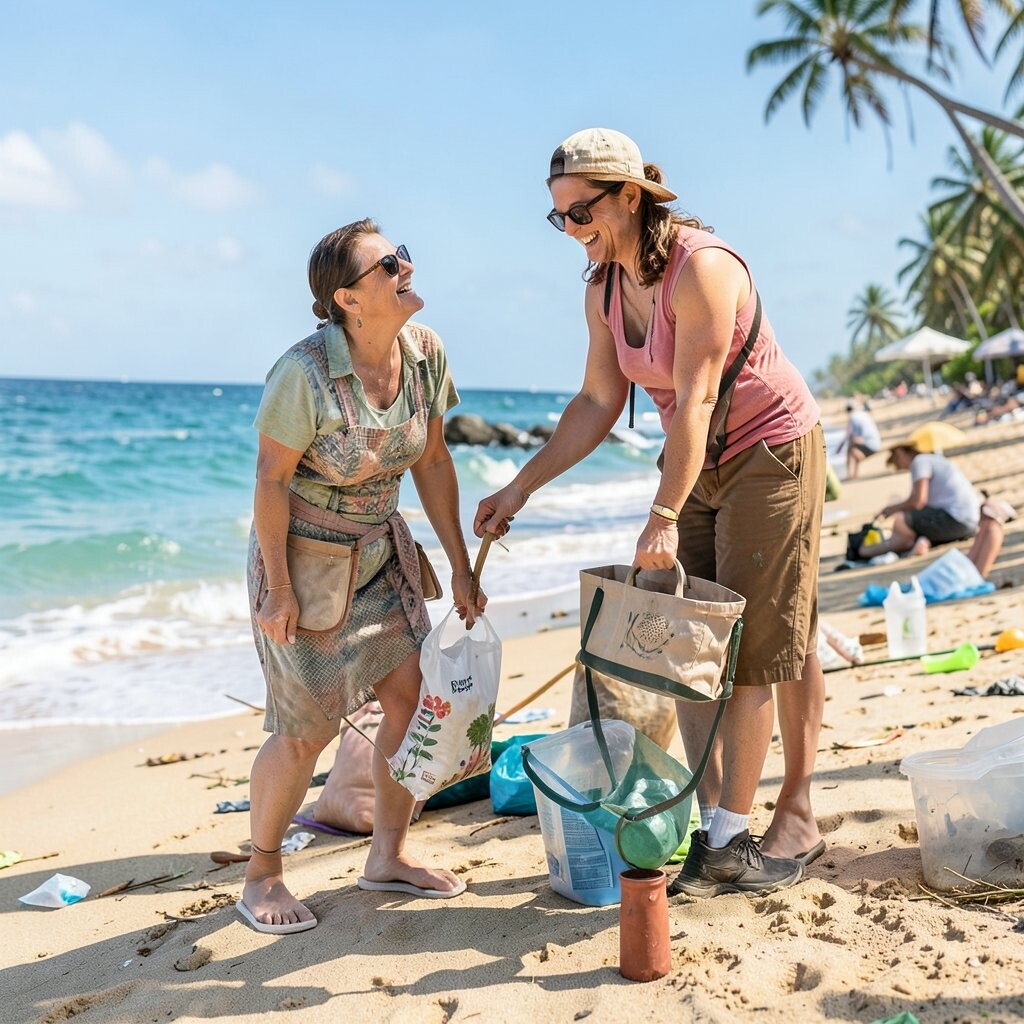
A beach clean-up trip can mix time near the water with a useful task that helps keep the shore neat. You may see bright shells, soft sand, and waves, but you will also notice how much trash can wash up there.
This kind of travel can feel good because you leave the place in better shape than you found it. It is also a trend for many young travelers who want trips that do more than just take photos.
Bring gloves, a sun hat, and a bag that you can use again for trash collection. If you want to make it more fun, ask friends or family to join so the work goes faster and feels more social.
7. Stay in a Tiny Home or Cabin
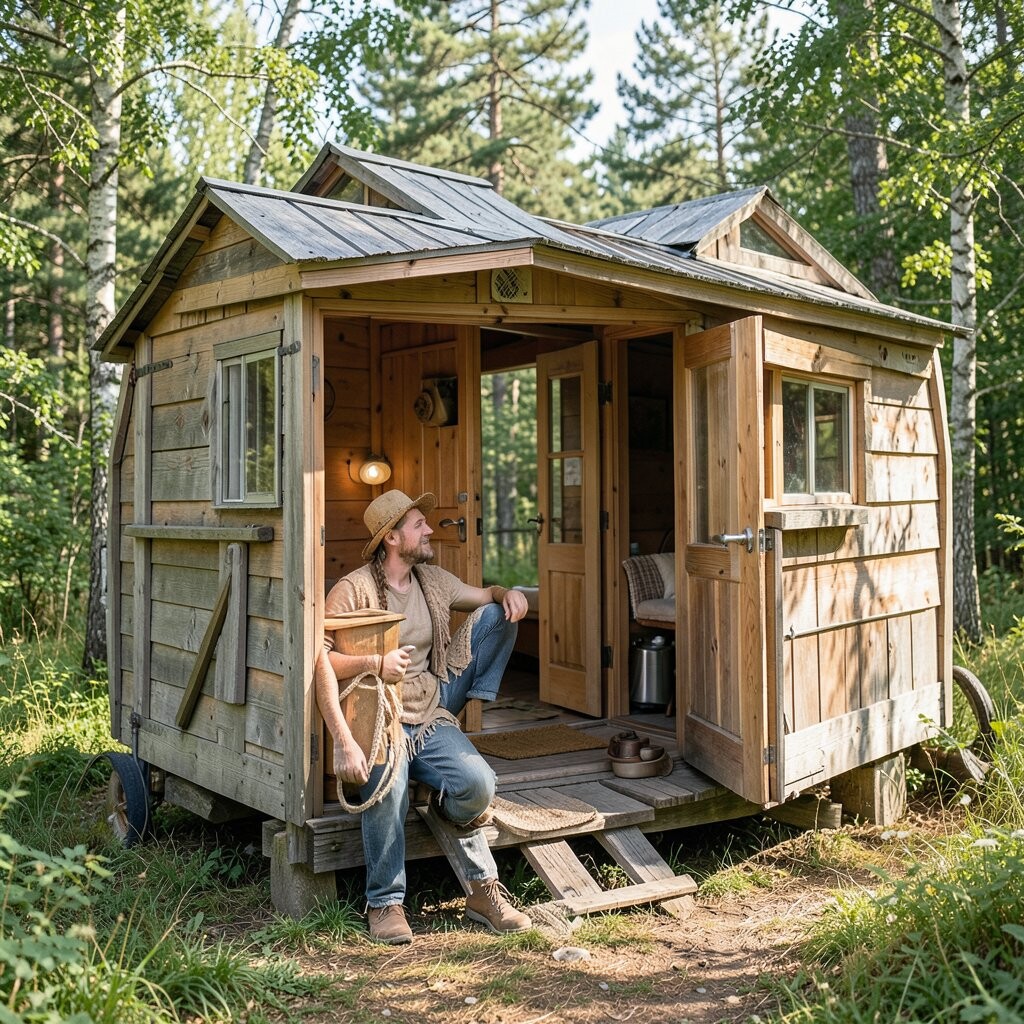
Tiny homes and small cabins often feel cozy, with wood walls, small windows, and just enough space for the things you need. Their size can help use less power and water, which makes them a smart choice for summer travel.
These stays can cost less than large rentals, and they often sit near lakes, woods, or hiking paths. That makes them a nice fit for people who want a quiet break without spending too much.
Look for places with good shade, fans, and simple kitchen tools so you can make easy meals. If you like your own space, a tiny home can feel private while still giving you a close link to nature.
8. Eat at Local Markets and Small Food Stalls
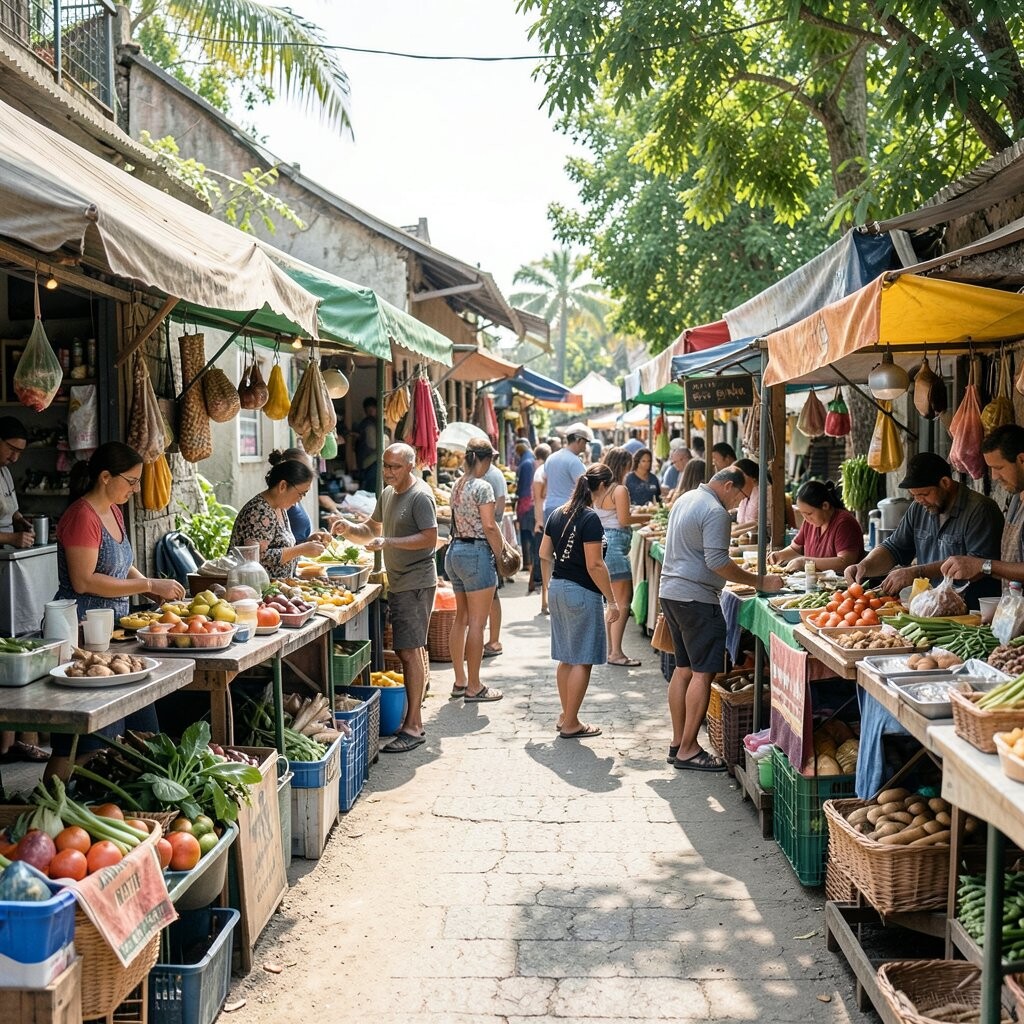
Local markets can be full of color, with piles of fruit, fresh bread, herbs, and handmade snacks. Small food stalls often serve meals that show the real taste of a place, and the setting can feel lively without being too fancy.
Eating this way can help small sellers and may cut down on waste from big chain restaurants. It can also save money, since market meals are often cheaper than hotel dining or tourist spots.
Try foods that are in season, since they usually taste better and need less shipping. If you have food limits, ask the seller what is in each dish, and pick places that use simple packaging or allow you to bring your own container.
9. Choose a Trip That Uses Refill Stations
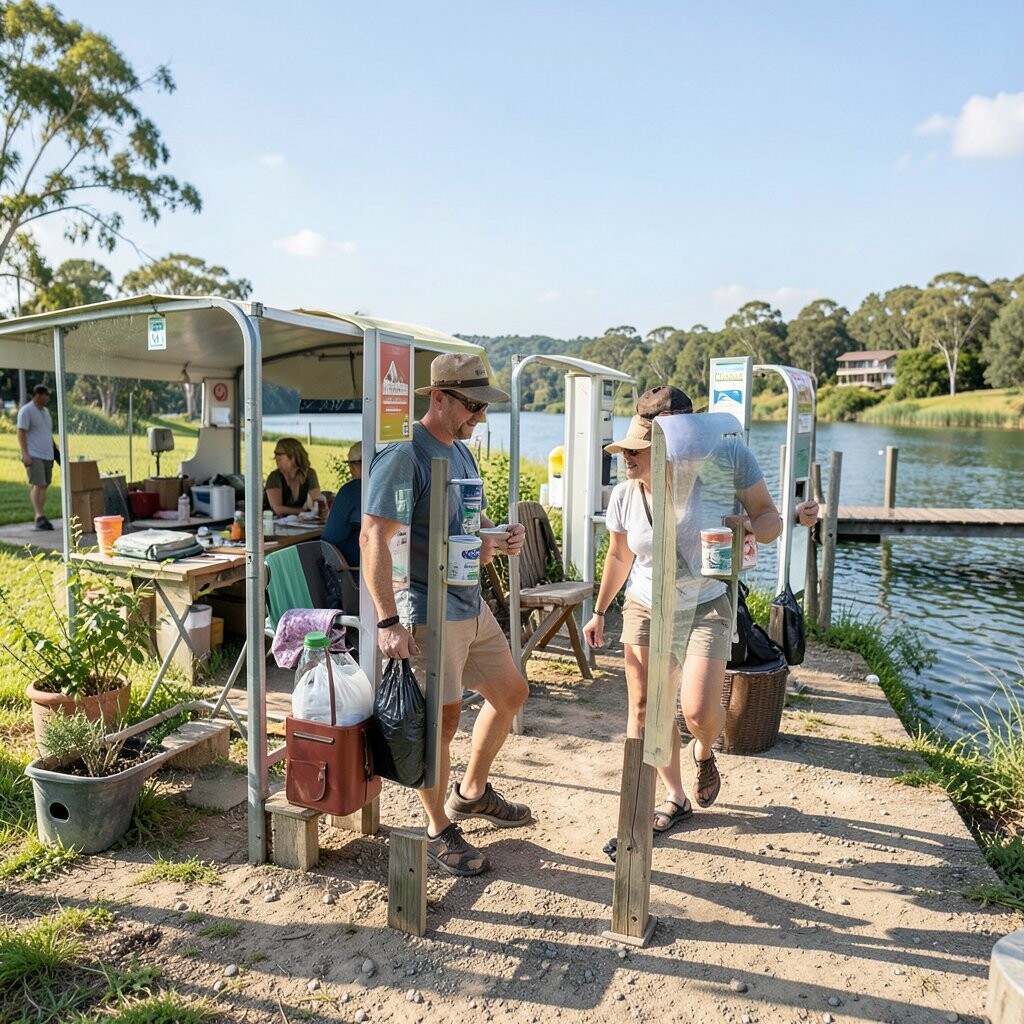
Some cities and parks now have refill stations for water bottles, soap, and other basics. This can make summer travel easier because you do not need to buy as many single-use items.
Using refill spots can lower trash and save money over time, which is a nice win for many travelers. It also fits a growing travel trend where people pack less and use more reusable items.
Bring a strong bottle, a small soap bar, and containers that close well so refills stay neat. If you plan ahead, you can map out refill points before you leave and avoid last-minute buys at pricey shops.
10. Try a Volunteer Trip With Light Work
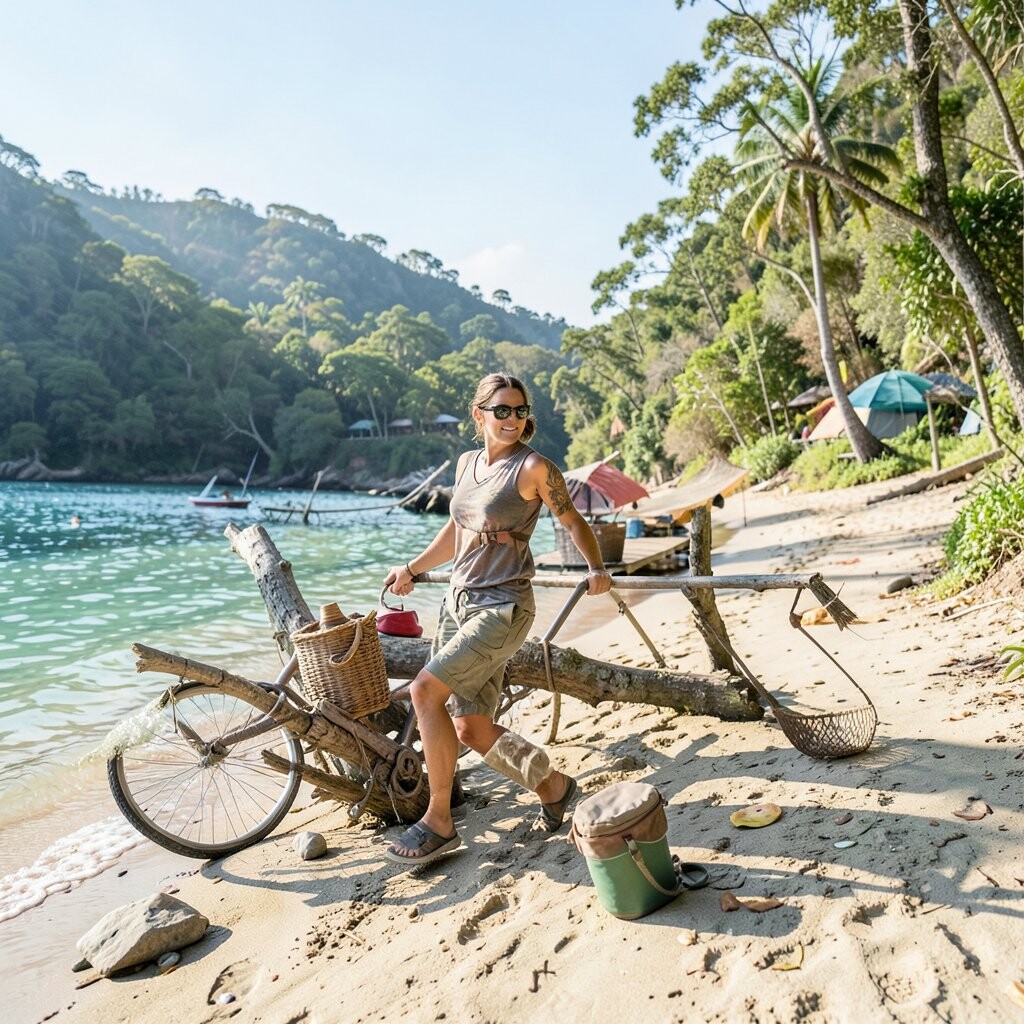
A volunteer trip can give you a chance to help with a garden, a trail, a wildlife center, or a local park. The work is often simple and hands-on, so you can see the place up close and feel part of it.
This kind of trip can be meaningful without costing a lot, especially if meals or housing are part of the program. It can also help you meet people who care about the same things, like clean land, safe water, or healthy animals.
Pick a group that explains its goals clearly and treats local people with respect. If you want a better fit, choose work that matches your energy level, such as planting, sorting tools, or cleaning paths.
11. Spend Time in a National Park With Simple Plans
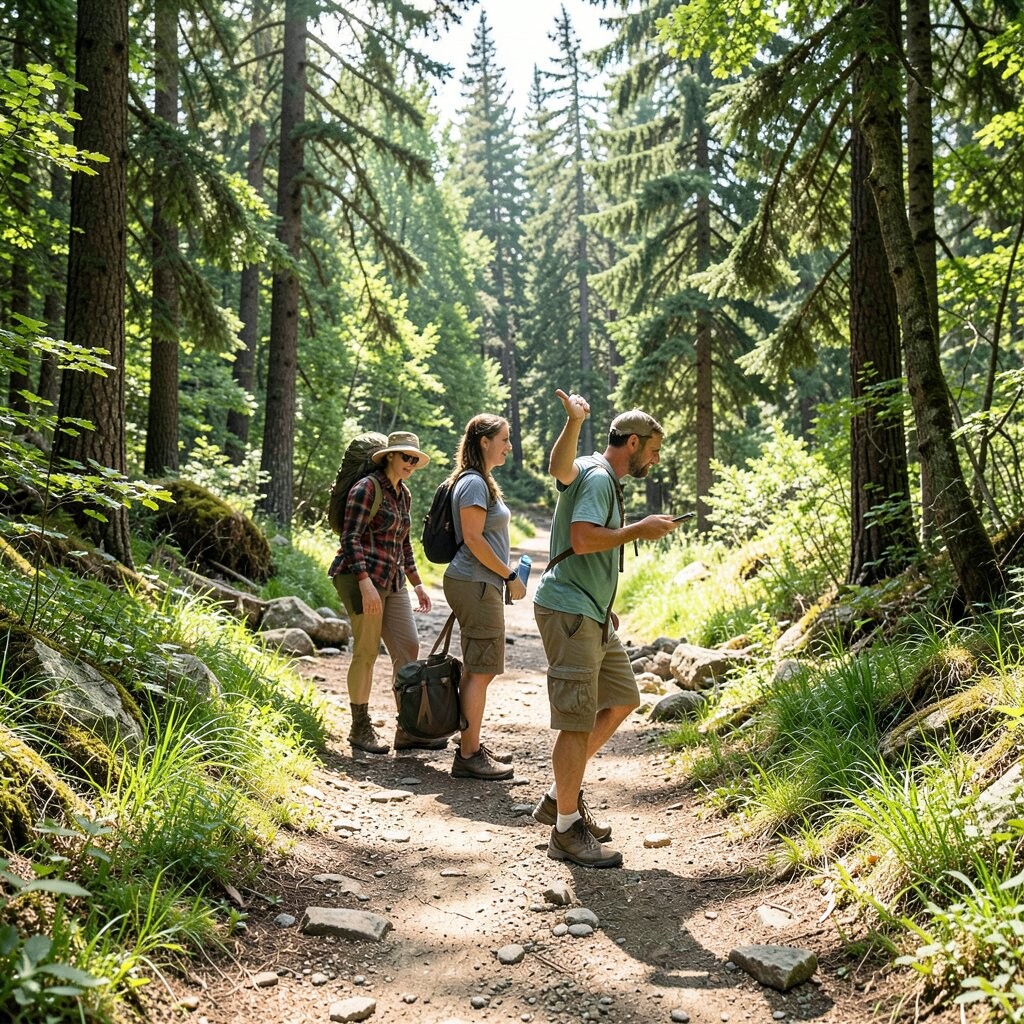
A national park can give you wide views, tall trees, cool trails, and a strong sense of open space. If you keep your plan simple, the day can feel calm and easy without a lot of extra spending.
Many parks now ask visitors to book ahead, which helps control crowds and protect the land. This can be a good thing for eco-warriors because it keeps the experience better for both people and nature.
Bring a map, a snack, and a light rain layer so you can handle changes in weather. If you want a personal touch, choose a trail that matches your pace, from short walks to longer paths with more shade.
12. Plan a Slow Summer Trip by Bus and Foot
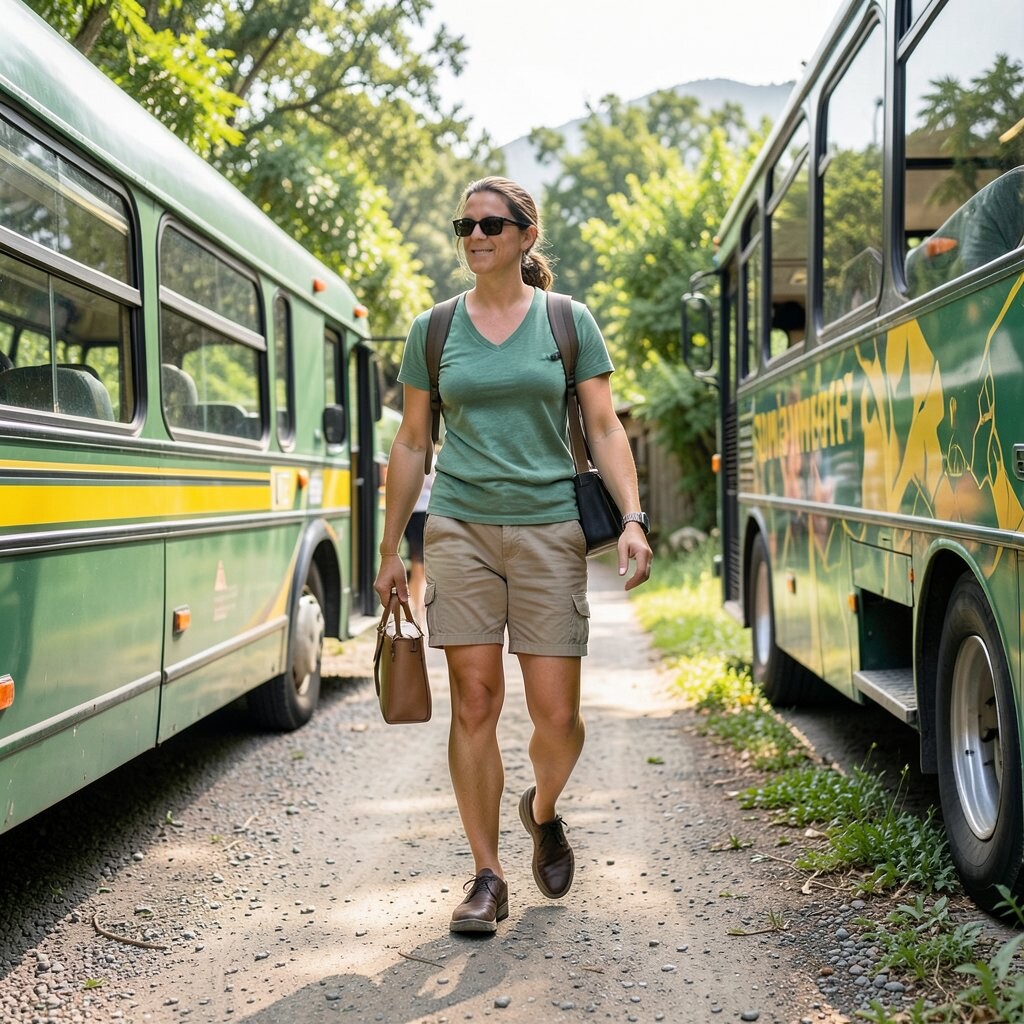
A slow trip by bus and foot can give you time to notice street art, small shops, and daily life in each place. It can feel more real than rushing from one big stop to the next, and you may find spots that most tourists miss.
This style of travel often costs less than a full car trip or plane trip, and it can cut down on fuel use. It also fits a growing trend of slower travel, where people care more about the trip itself than about checking off a long list.
Wear good shoes, keep a light bag, and plan rest stops so the pace stays comfortable. If you like more control, build your route around one main area and add side stops only when they fit your time and budget.