Summer trips can fit many budgets if you plan with care and keep things simple. Small changes in your choices can help you enjoy warm days without spending too much.
1. Use Nearby Spots for a Short Trip

A nearby town, lake, or beach can feel fresh without a big travel bill. You may see local shops, quiet streets, and easy views that make the day feel different from home.
This kind of trip saves money on gas, tickets, and hotel stays. It also gives you more time to enjoy the place instead of spending hours in transit.
Try a place you can reach in a few hours, then make a small plan for food and fun. You can bring snacks, pack water, and keep the day low cost.
2. Travel on Off-Peak Days

Some days cost less because fewer people want to go then. Midweek trips often have lower prices for buses, trains, and flights.
The best part is that popular spots may feel less crowded and more calm. You can take better photos, move around more easily, and spend less time in long lines.
Check prices for different days before you book. A small shift in your dates can make a big change in what you pay.
3. Stay in Simple Places

You do not need a fancy hotel to have a good summer trip. A small motel, guest room, hostel, or family rental can give you a clean place to sleep at a lower cost.
Many simple stays now have shared kitchens, free Wi-Fi, and easy check-in. That can help you save on meals and keep your trip smooth.
Read recent reviews and look at photos so you know what to expect. Pick a place that fits your needs, not just your wish list.
4. Pack Food and Drinks

Buying every meal while traveling can use up your budget fast. Packing sandwiches, fruit, chips, and a refillable bottle can cut down daily costs.
This also helps on hot days when you want a quick snack during a walk or drive. You can stop when you want instead of paying more at busy tourist spots.
If you stay somewhere with a fridge, keep yogurt, cheese, or salad items on hand. A small food plan can make the trip easier and cheaper.
5. Use Public Transit

Buses, trains, trams, and local shuttles can cost much less than rental cars or ride apps. They also give you a better look at the city and the people who live there.
This can be a smart choice in places with good transit and busy traffic. You save on parking, fuel, and stress from driving in a new area.
Look for day passes or travel cards if you plan to ride often. A simple transit map can help you move around without paying too much.
6. Choose Free Outdoor Fun

Summer has many low-cost places like parks, trails, public beaches, and river paths. These spots often have bright views, open space, and room to relax.
Free outdoor fun is great for people who want fresh air and easy plans. You can walk, sit, swim, or watch the sunset without buying tickets.
Check local rules before you go, and bring sunscreen, water, and a hat. A day outside can feel full without costing much at all.
7. Visit Small Town Events
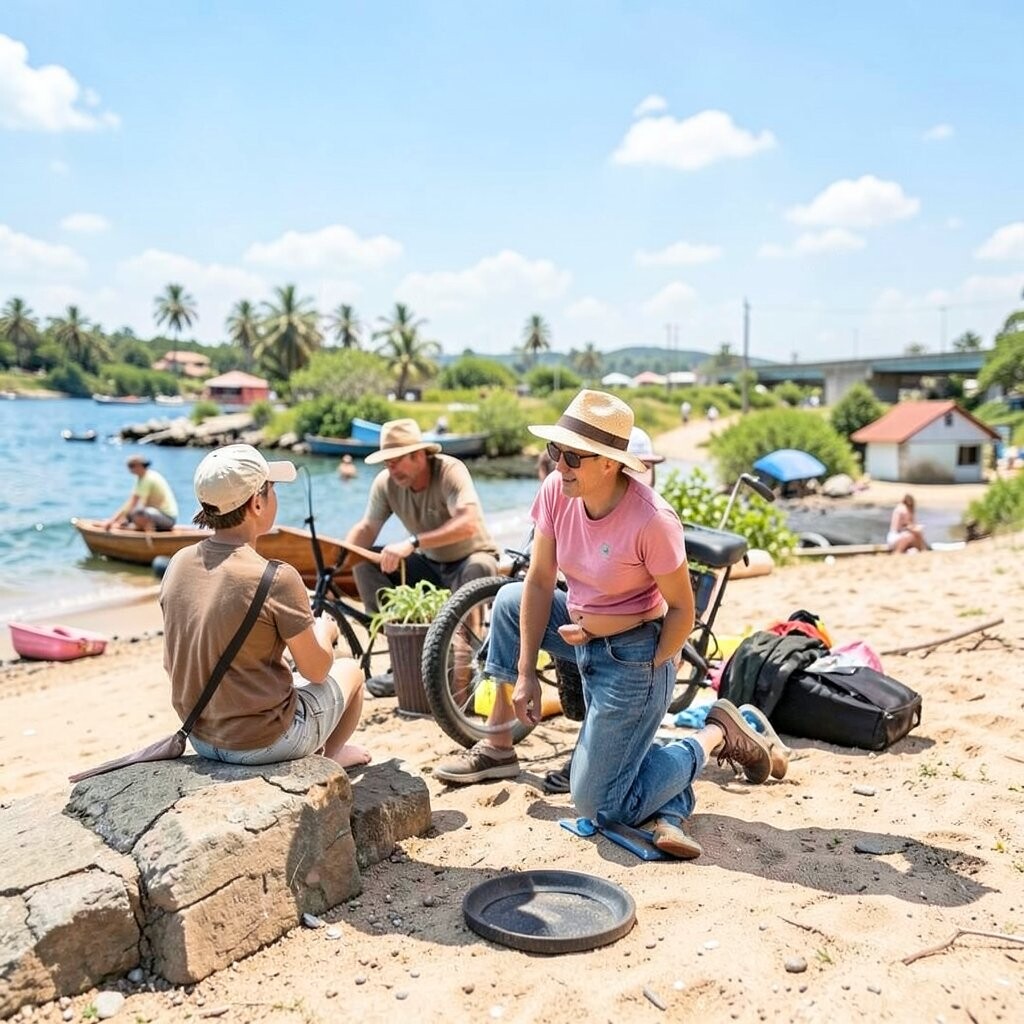
Many small towns hold summer fairs, music nights, farm markets, and street events. These can be fun to see and often cost less than big city shows.
The scenes are usually simple and warm, with food stands, local art, and live music. You may also meet people who know the area well and can share tips.
Look at town pages or visitor boards before your trip. A local event can give your day a special feel without a high price.
8. Travel with Friends

Going with friends can help split costs for gas, rooms, and food. It can also make the trip feel more fun and relaxed.
Groups can rent one place, share snacks, and take turns planning parts of the day. That often keeps each person from paying too much alone.
Talk early about money, comfort, and plans so no one feels stuck. A clear plan helps the trip stay easy for everyone.
9. Use Travel Deals and Alerts

Price alerts can help you catch lower fares before they rise again. Many travel sites and apps now send quick notes when prices change.
This trend makes budget travel easier because you do not need to check all day. You can wait for a good rate and book when it fits your plan.
Set alerts for flights, rooms, or train tickets as soon as you know your dates. Small savings on each part of the trip can add up fast.
10. Pick Places with Low Entry Costs

Some cities and towns have many things to do for free or very little money. Public gardens, old streets, art walls, and local museums may cost less than big theme spots.
This helps you spend more on what matters to you, like food or a special meal. It also gives you a chance to see more of the area without a big ticket price.
Make a list of top places before you go and check prices online. That way you can choose the ones that fit your budget best.
11. Try a Road Trip Plan

A road trip can be a low-cost way to see more places in one summer break. You can stop at small towns, scenic roads, and simple rest spots along the way.
The car gives you more control over your time and your stops. You can pack coolers, bags, and games, which can help keep extra spending down.
Share driving, track fuel use, and pick one main route to avoid wasted miles. A road trip works well when you want both freedom and a set budget.
12. Use Reward Points and Member Perks

If you already use a card or travel app, you may have points ready to use. These can help pay for rooms, rides, or part of a flight.
Some stores, airlines, and hotel groups also give member deals in the summer. This trend can help people save if they join free programs and watch for offers.
Check your points before booking so you know what can be used. Even a small reward can lower the total cost of your trip.
13. Shop at Local Markets

Local markets can be a cheap way to get food, snacks, and small gifts. The stalls often show bright fruit, fresh bread, handmade items, and simple meals.
Buying from local sellers can also feel more personal than shopping in big chain stores. You may find better prices and food that fits the area you are in.
Go early for the best picks and bring cash if needed. A market stop can add flavor to your trip without much cost.
14. Keep Your Daily Plans Simple

Too many paid stops in one day can make a trip expensive fast. A simple plan with one main activity and a few free stops can work better.
This also gives you time to rest, take photos, and enjoy the view. Summer days can feel busy, so a lighter plan may help you avoid stress.
Write down your must-see places and leave room for pauses. Simple days often cost less and still feel full.
15. Make the Trip Fit Your Style

Budget travel works best when it matches what you like most. Some people want beach time, while others want food, parks, history, or quiet space.
When you focus on your own style, you spend money on things that matter to you. That makes the trip feel more worth it, even if the budget stays small.
Choose a few favorite things, then build the rest of the trip around them. A trip that fits your taste can feel rich without a big price tag.