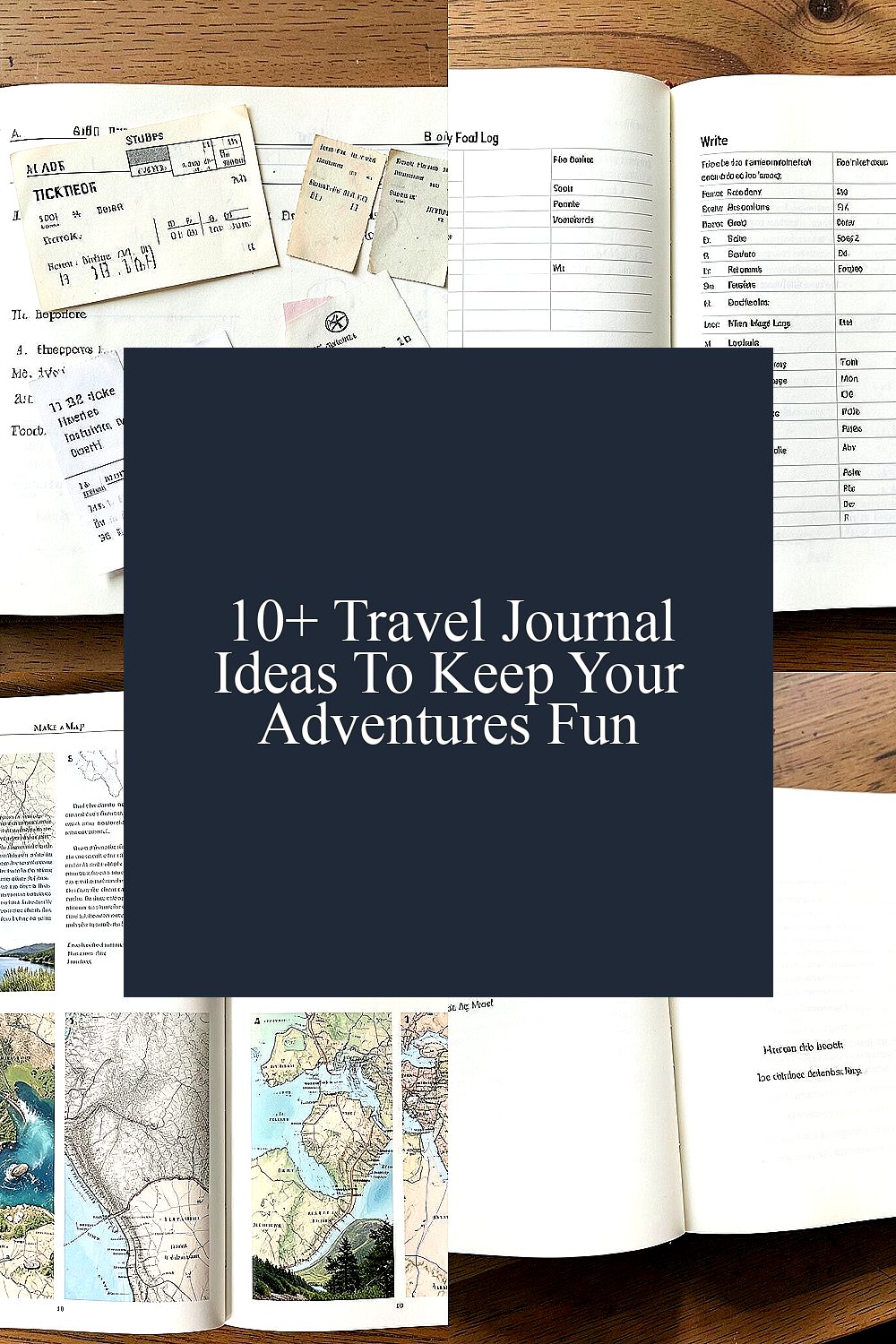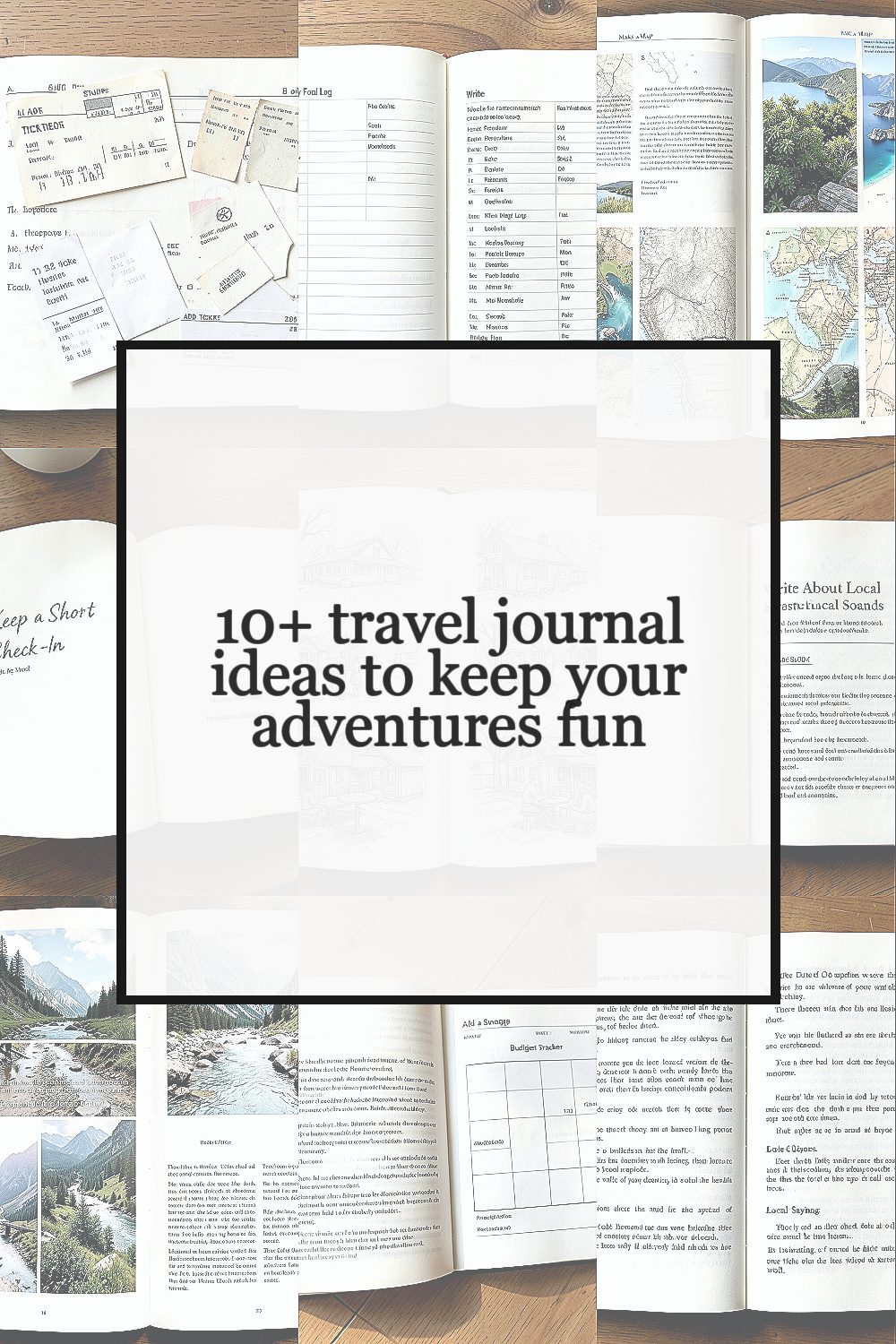
Travel journals help you keep small moments from a trip in one place. They also make it easier to remember the sights, sounds, and people you meet.
1. Add Ticket Stubs and Small Paper Bits
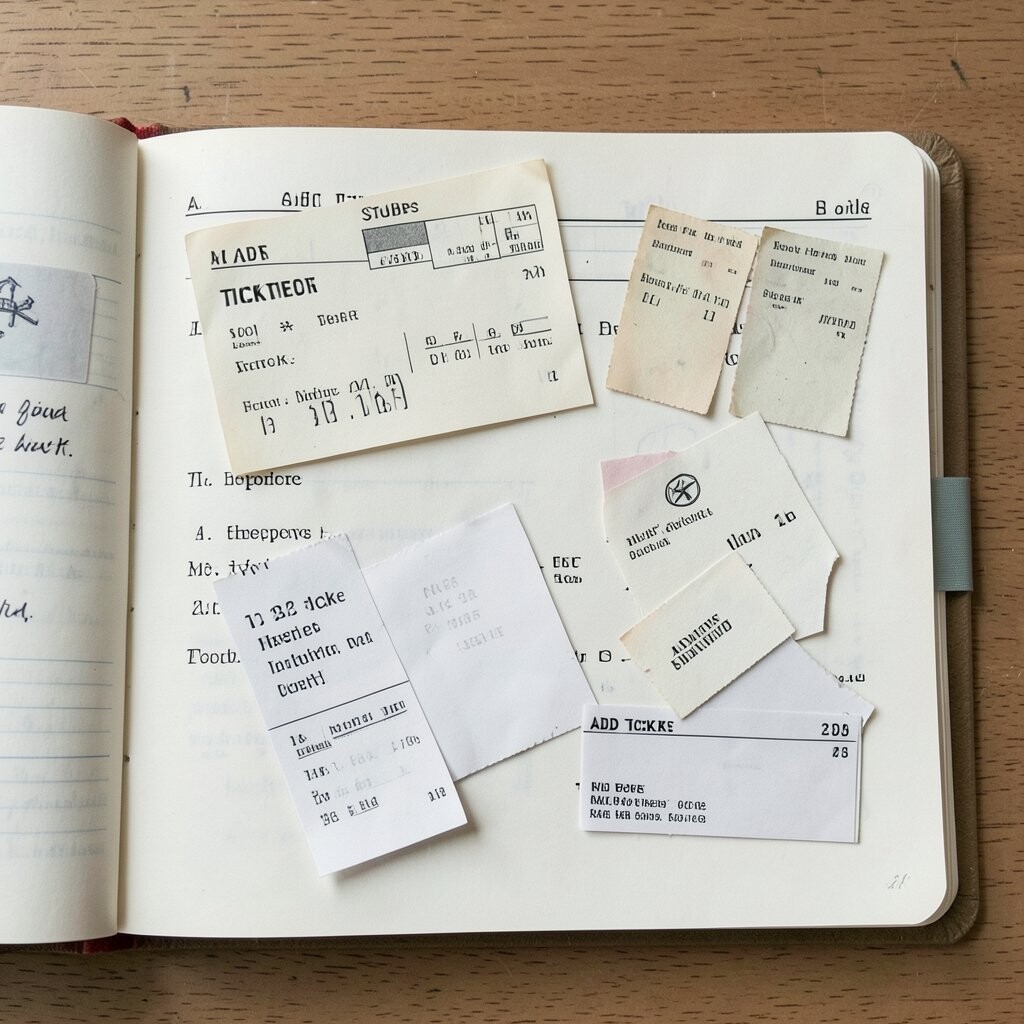
One easy travel journal idea is to save ticket stubs, maps, and small paper bits from your day. These pieces can make each page look real and full of life, with little bits of color and shape that show where you went.
This style works well because it does not cost much. You can use glue, tape, or even simple corner stickers, and many people like it because it feels quick and easy to keep up with.
Try putting a bus ticket next to a short note about the ride or a train pass next to a sketch of the view. This makes the page feel personal and helps you remember details that may fade later.
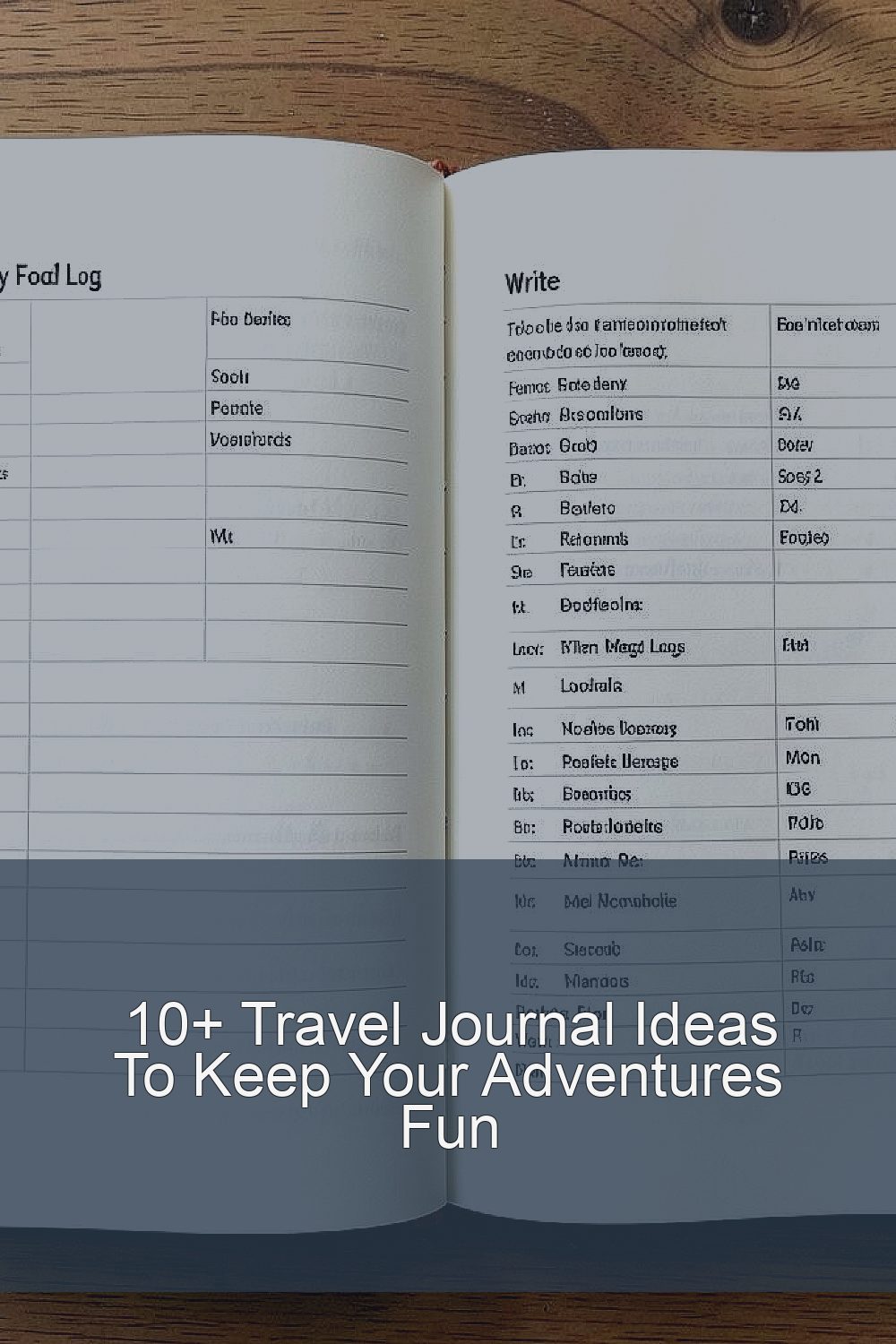
2. Write a Daily Food Log
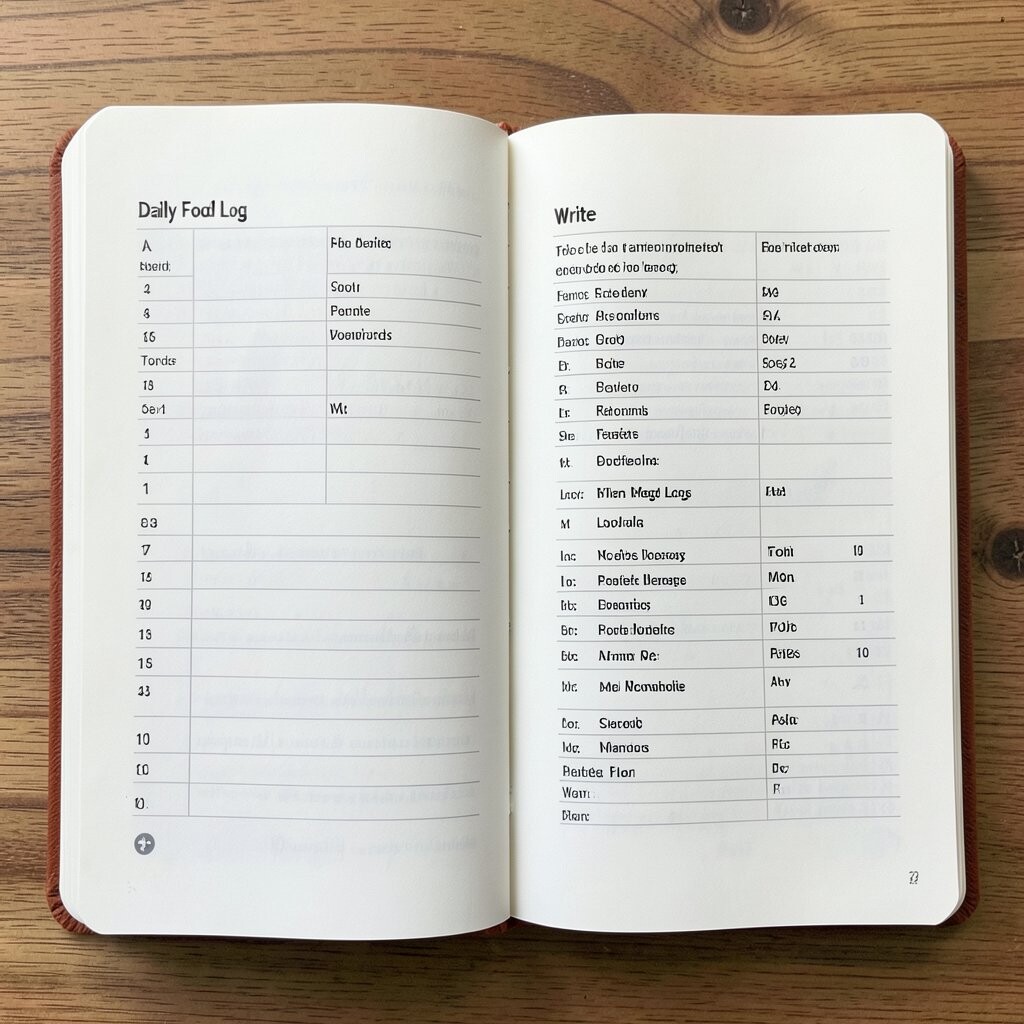
Food is one of the best parts of a trip, so a food log can be a fun part of your journal. You can write the names of dishes, draw simple plates, or add little notes about taste, smell, and texture.
This idea is popular because food memories are easy to miss if you do not write them down. A small note about a street snack or a cafe meal can bring back the whole day later.
If you want, add the price of each meal so you can track your spending too. This can help you plan future trips and see which places gave you the best value.
3. Make a Map Page for Each Place
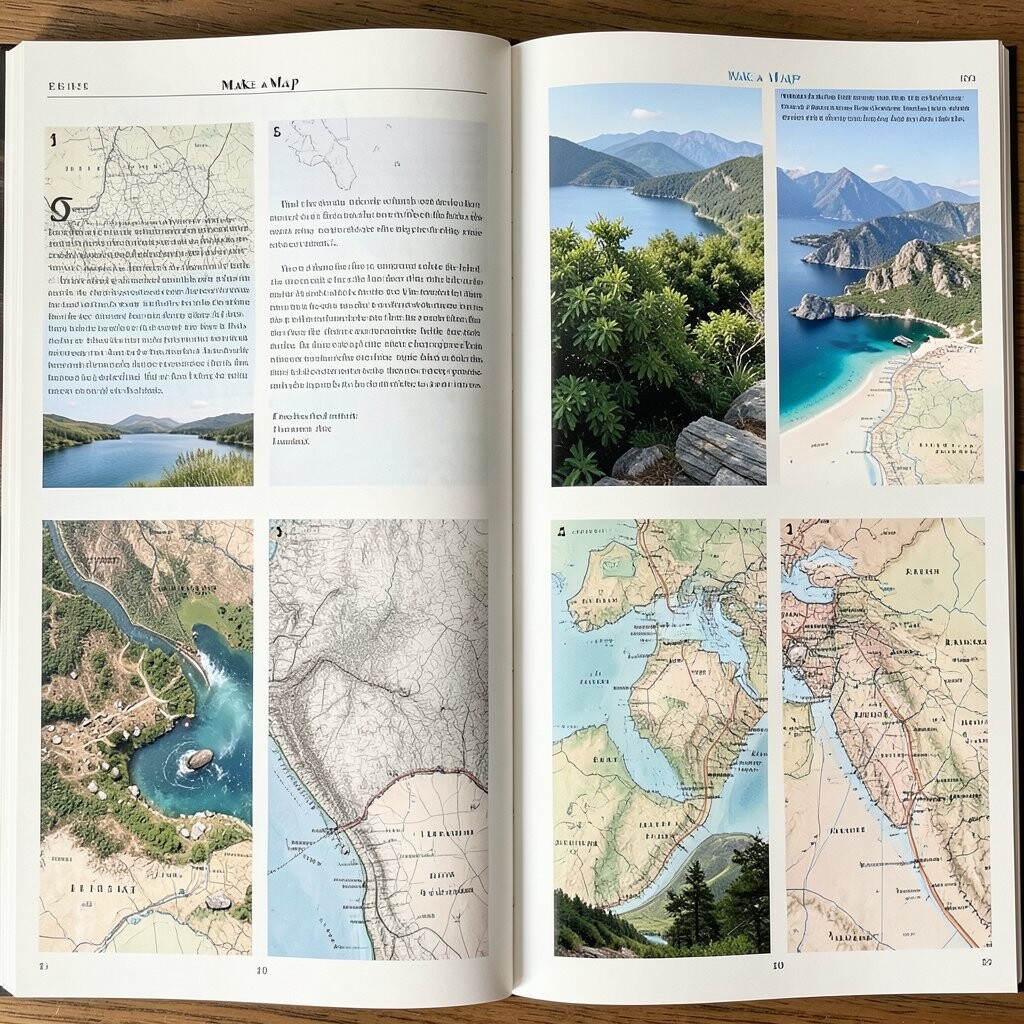
A map page can give your journal a clean and neat look. You can draw a simple map by hand, print one from a phone app, or paste in a small map from a travel guide.
This kind of page is useful because it shows how you moved through a city or town. It also helps you remember the order of your stops, which can be hard to keep straight after a busy day.
Add stars, arrows, or short labels to mark your favorite spots. If you want a more personal touch, use colored pens to show the places where you ate, walked, or rested.
4. Keep a Short Mood Check-In
Not every journal page has to be long. A short mood check-in can be a simple note about how you felt in the morning, during the day, and at night.
This idea is helpful because travel can bring many feelings in a short time. You may feel tired, excited, calm, or even lost, and writing that down gives your journal more honesty.
You can use a few words, a smiley face, or a tiny color mark for each mood. This is a low-cost habit that takes little time and still adds a lot of meaning.
5. Draw Quick Scene Sketches
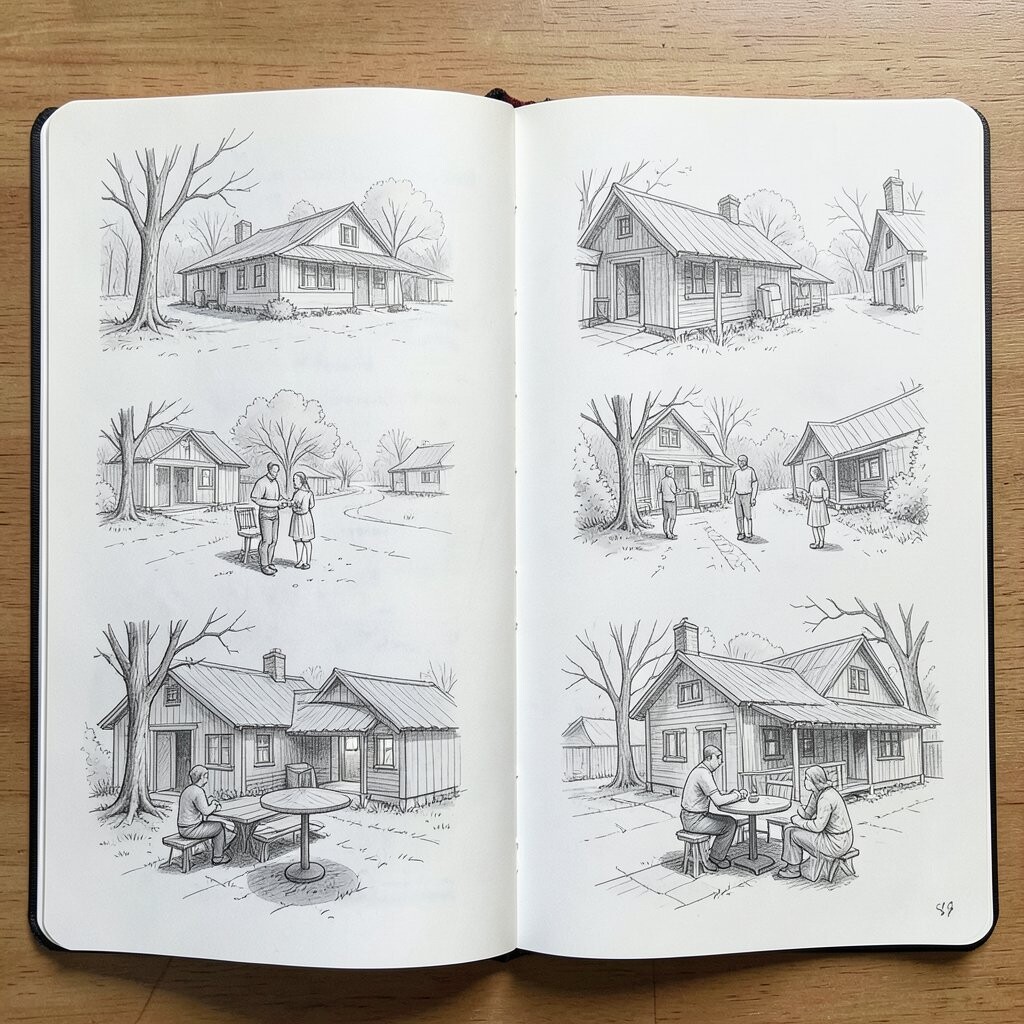
Quick sketches can make your journal feel lively and unique. You do not need to be a great artist, since simple shapes of buildings, trees, food, or people can still tell the story.
These drawings help you slow down and notice what is around you. A small sketch of a market stall or a lake view can often say more than a long paragraph.
Use a pen, pencil, or colored marker, based on what you have with you. Many travelers like this trend because it is light to carry and does not cost much at all.
6. Write About Local Sounds
Sounds can be just as memorable as sights, but they are easy to forget. In your journal, you can write about street music, birds, train noise, waves, market chatter, or quiet hotel halls.
This idea gives your pages a fresh feel because it focuses on a part of travel that many people skip. It also helps you remember the mood of a place in a more full way.
Try using short, plain words and keep the notes simple. You might write that a town felt busy and loud in the day but calm and soft at night.
7. Make a Color Theme for Each Trip
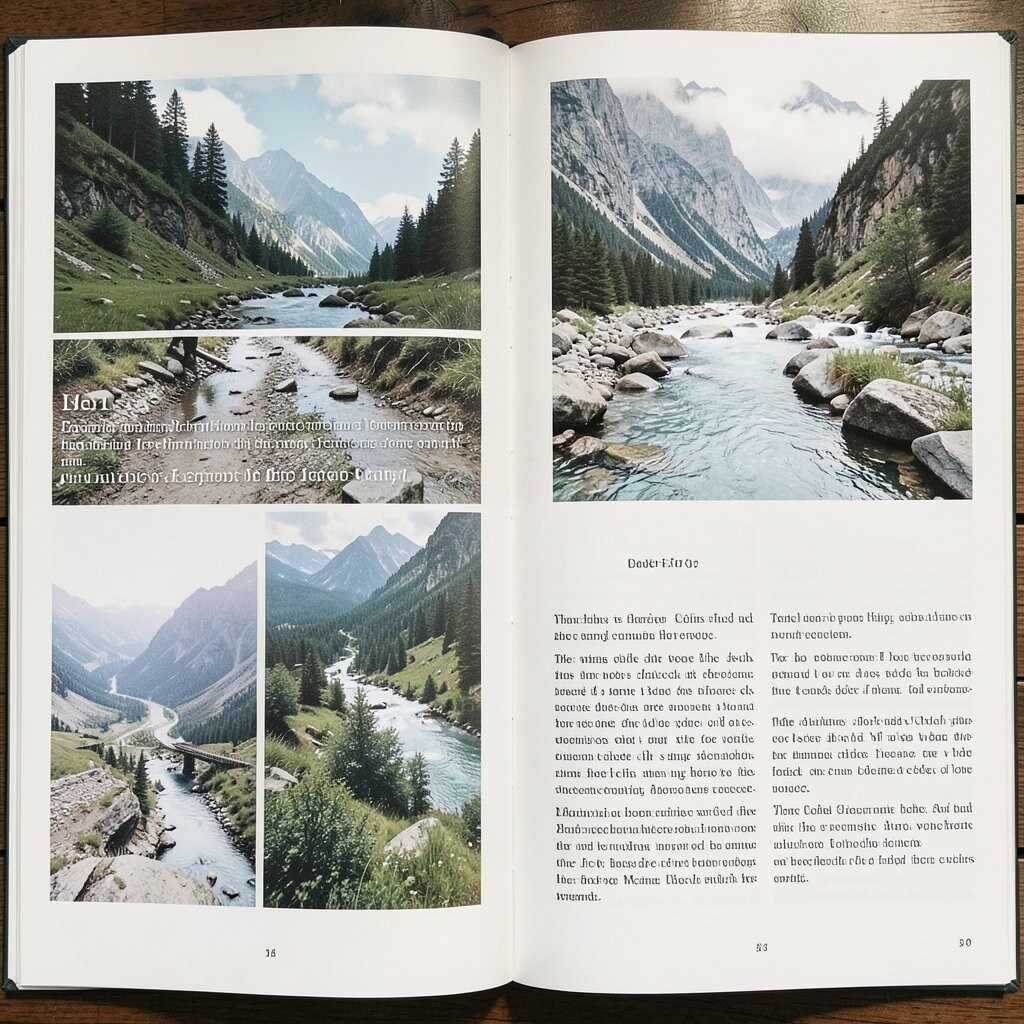
A color theme can help your journal look neat and easy to read. You can pick one set of colors for each trip, like blue and gray for a beach town or green and brown for a mountain stay.
This method is popular because it makes pages feel tied together. It also helps you spot one trip from another when you look back through your journal later.
Use what you already have, such as pens, markers, or stickers, so the cost stays low. If you like current trends, many people now use soft tones and simple layouts that are easy on the eyes.
8. Add a Small Budget Tracker
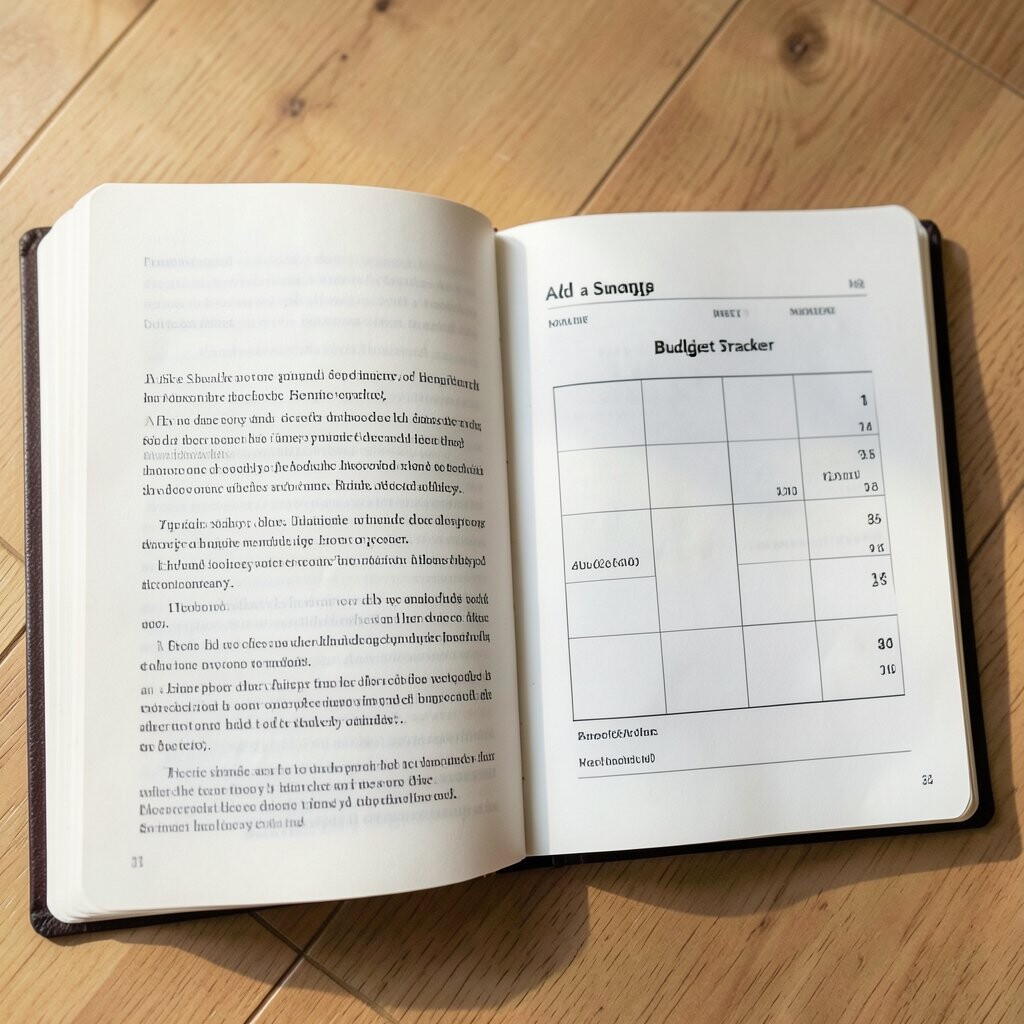
A budget tracker can make your travel journal useful as well as fun. You can list food, rides, rooms, gifts, and other small costs in a simple table or short note.
This is a smart habit because it helps you see where your money goes. It can also help you make better plans on later trips if you want to save more or spend less.
Keep it easy by using rough amounts instead of exact detail if that feels better. A plain notebook page can work fine, so you do not need any special tools or extra cost.
9. Collect Quotes and Local Sayings
Words from signs, guides, shop owners, or people you meet can add a warm touch to your journal. You can write down a funny saying, a kind comment, or a line from a sign that made you stop and think.
This makes your journal feel more personal because it holds real words from the places you visit. It can also help you remember the voice and style of each town or city.
Try to write the quote soon after you hear it, since memory can fade fast. If you want, add who said it or where you heard it so the note feels complete.
10. Use Photo Corners and Mini Prints
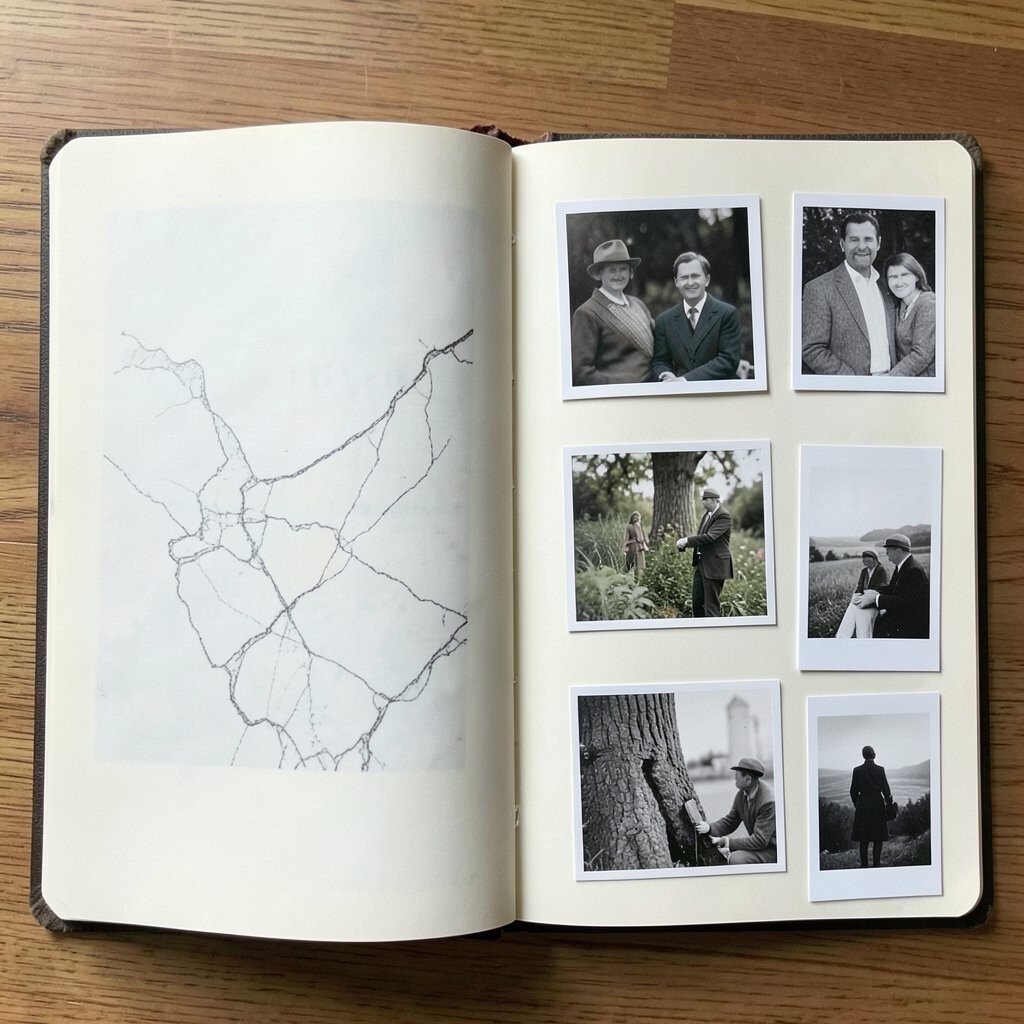
Small photos can give your journal a clear visual look without taking up too much space. Mini prints, photo strips, and phone prints are easy to place on a page and can work well with short notes.
This idea is useful because pictures help you remember faces, places, and small details fast. It also gives your journal a more modern feel, which fits a trend many travelers like now.
You do not need many photos to make this work, and that keeps the cost under control. Add one or two prints on a page, then write a few lines about why that moment mattered to you.
11. Leave Space for Future Notes
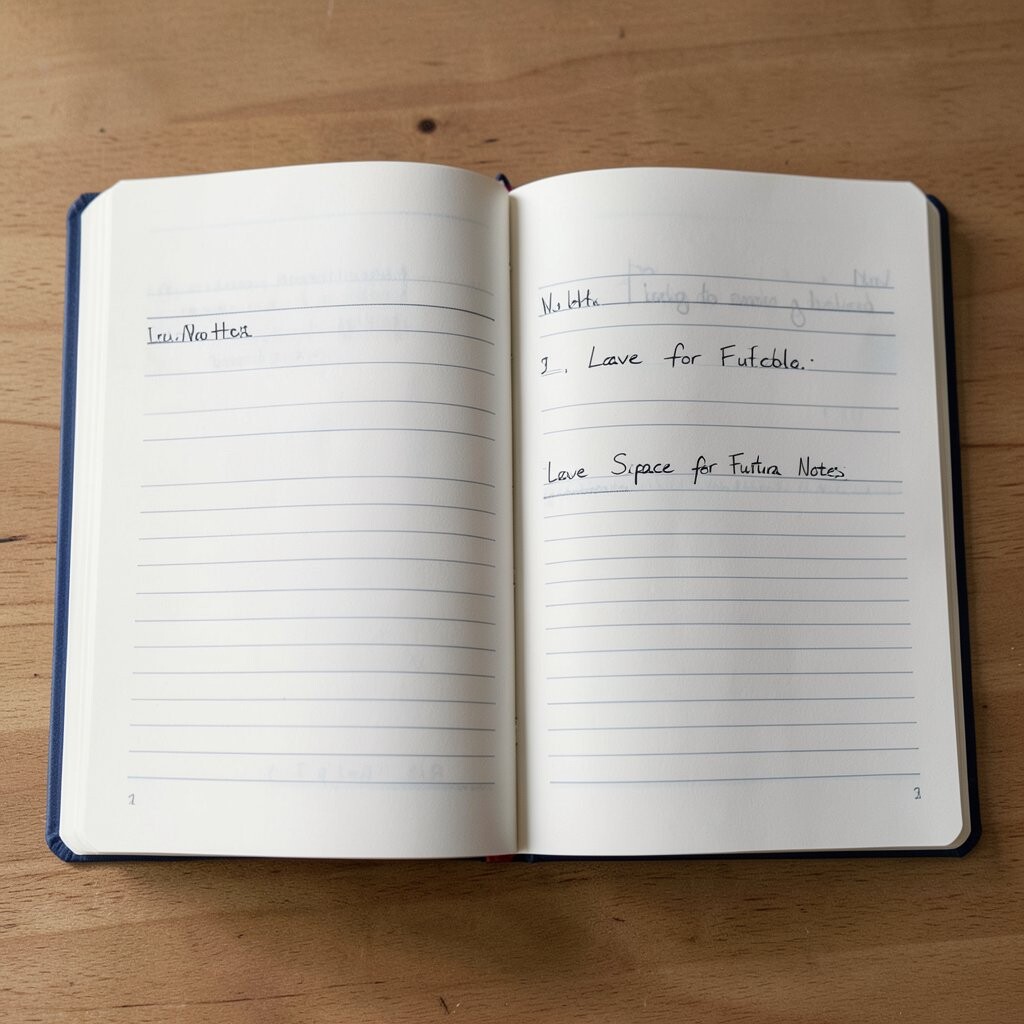
It can help to leave some blank space in your journal for later thoughts. You may want to add a note after you get home, once you have had time to think about the trip.
This is a good idea because some memories make more sense after a break. A page can feel more complete when you add a final thought, a lesson, or a small memory you did not notice at first.
Leaving space also makes your journal more flexible, which is useful if your trip changes a lot. You can use the empty spots for stickers, drawings, or short updates, and that keeps the pages open and personal.